
In the heart of Indonesia’s agricultural landscape, a quiet revolution is taking place, one that promises to reshape the way corn production is understood and managed. Researchers, led by Muh Kevin Adesyahputra from Universitas Semarang, have harnessed the power of business intelligence technology to shed light on the intricacies of corn production trends from 2020 to 2024. Their work, published in *Matrix: Jurnal Manajemen Teknologi dan Informatika*, offers a compelling glimpse into how data-driven insights can drive sustainable agricultural development.
The study, which integrated datasets from the Ministry of Agriculture and the Central Bureau of Statistics, utilized Microsoft Power BI to transform raw data into strategic insights. This approach allowed for a comprehensive evaluation of fluctuations in harvested area, production volume, and productivity across Indonesia’s 38 provinces. “The key challenge was the fragmented nature of the data,” Adesyahputra explained. “By employing an Extract-Transform-Load (ETL) framework, we were able to harmonize pre-2023 and post-2023 datasets, enabling standardized comparisons and revealing critical trends.”
The findings paint a nuanced picture of Indonesia’s corn production landscape. A notable peak of 486,000 tons was recorded in 2022, followed by a 4.5% decline in 2023 due to adverse climatic conditions and supply chain instability. However, there was a partial recovery in 2024, with production reaching 15.2 million tons. The analysis also highlighted significant regional disparities, with West Java achieving a productivity rate of 80 quintals per hectare, while urbanized regions like Jakarta reported negligible output.
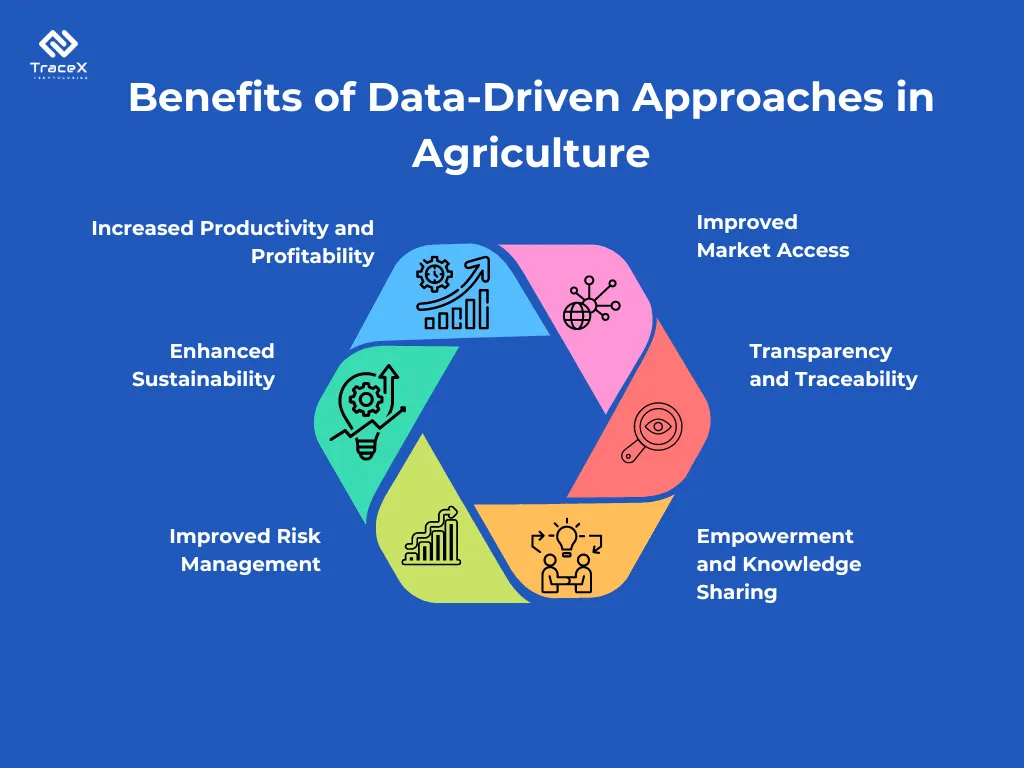
These insights are not just academic; they have profound commercial implications for the agriculture sector. By identifying regional disparities and understanding the factors driving production fluctuations, policymakers and agricultural businesses can make more informed decisions. “Business Intelligence tools like Power BI can convert raw agricultural data into actionable insights,” Adesyahputra noted. “This can optimize resource allocation, mitigate inequities, and strengthen climate-resilient practices.”
The study underscores the transformative potential of Business Intelligence (BI) in advancing sustainable agricultural development. As the agriculture sector grapples with the challenges of climate change, supply chain disruptions, and regional disparities, the ability to harness data for strategic decision-making becomes increasingly crucial. This research not only provides a roadmap for optimizing corn production but also sets a precedent for how BI tools can be leveraged to drive adaptive governance frameworks in agriculture.
As we look to the future, the integration of BI technology in agricultural practices holds immense promise. It offers a pathway to more resilient, equitable, and sustainable farming practices, ultimately benefiting both producers and consumers. The work of Adesyahputra and his team serves as a testament to the power of data in shaping the future of agriculture, one insight at a time.