
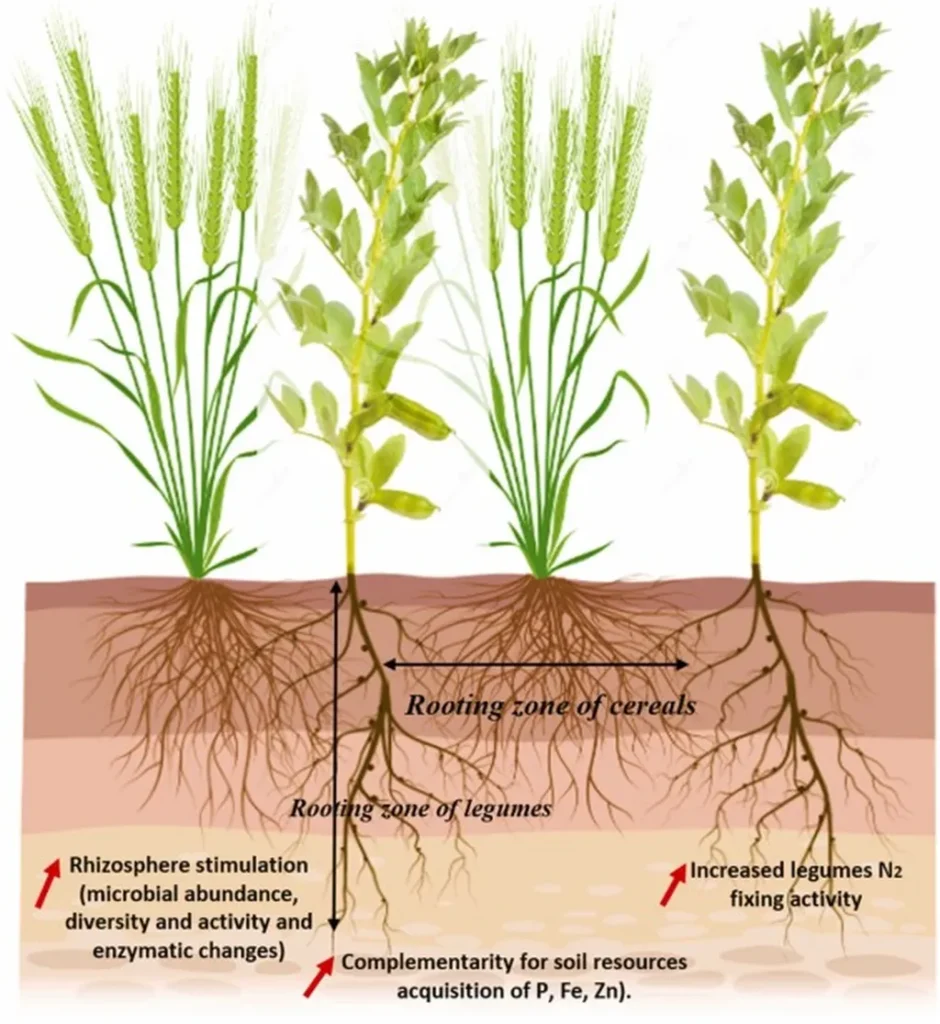
In the quest to optimize the cultivation of Polygonatum cyrtonema, a valuable medicinal plant, researchers have uncovered promising insights into the benefits of intercropping. A recent study published in *Frontiers in Microbiology* reveals that intercropping P. cyrtonema with Paris polyphylla and Ganoderma lucidum can significantly enhance soil nutrient levels and microbial diversity, ultimately improving the quality of the crop.
The study, led by Huiyong Zheng from the Institute of Crop Sciences at the Fujian Academy of Agricultural Sciences, compared monoculture cultivation of P. cyrtonema with two intercropping systems: P. cyrtonema with Paris polyphylla (PCPP) and P. cyrtonema with Ganoderma lucidum (PCG). The findings suggest that both intercropping systems boosted nutrient accumulation in the rhizosphere, the soil region influenced by root secretions and associated microorganisms.
“Intercropping with Paris polyphylla and Ganoderma lucidum not only enhances soil fertility but also promotes the growth of beneficial microorganisms,” Zheng explained. “This synergistic interaction between soil nutrients and microbial communities can lead to better crop quality.”
The PCG system, in particular, increased available potassium by a remarkable 72.76%, while the PCPP system elevated alkali-hydrolyzable nitrogen and total nitrogen by 7.19% and 7.02%, respectively, compared to monoculture. Both systems also increased the relative abundance of microbial taxa such as Furcasterigmium and unclassified_f__Mortierellaceae. The PCPP system further promoted the proliferation of beneficial microorganisms like Burkholderia-Caballeronia-Paraburkholderia, Rhodomicrobium, and norank_c_AD3.
Available potassium and phosphorus were identified as key factors driving alterations in the rhizosphere microbial community structure. Although intercropping did not significantly affect P. cyrtonema yield, the PCPP system improved water-soluble extract content by 2.8% and polysaccharide content by 12.1% compared to monoculture.
These findings have significant implications for the agriculture sector, particularly for forest-based cultivation. By optimizing intercropping systems, farmers can enhance soil health and microbial diversity, leading to better crop quality and potentially higher market value. “This research opens up new possibilities for sustainable and integrated farming practices,” Zheng noted.
The study suggests that the PCPP system is the optimal approach for integrated forest-based cultivation of P. cyrtonema. As the agricultural industry continues to seek sustainable and efficient cultivation methods, these findings could pave the way for innovative practices that benefit both farmers and consumers.
The research, published in *Frontiers in Microbiology* and led by Huiyong Zheng from the Institute of Crop Sciences at the Fujian Academy of Agricultural Sciences, highlights the potential of intercropping to revolutionize the way we cultivate valuable medicinal plants. By harnessing the power of nutrient-microbe interactions, farmers can achieve better crop quality and contribute to a more sustainable agricultural future.