
In the quest to bolster global food security, understanding the intricacies of seed viability and longevity has become paramount. A recent review published in the *International Journal of Bio-Resource and Stress Management* sheds light on the molecular mechanisms governing seed survival, offering promising avenues for the agriculture sector. Led by Sultan Singh from the Department of Agriculture at Maharishi Markandeshwar (Deemed to be University) in India, the research integrates proteomics and metabolomics to unravel the complexities of seed biology.
Seeds, the foundation of agriculture, face a myriad of challenges from environmental conditions to genetic factors that influence their viability. Singh’s review highlights how proteomics—through techniques like 2D-PAGE and LC-MS/MS—and metabolomics—utilizing GC-MS, LC-MS, and NMR—can detect stress-responsive proteins and crucial metabolites. These technologies provide a comprehensive view of the molecular processes that determine seed longevity.
“Proteomics and metabolomics are not just about identifying proteins and metabolites; they are about understanding the regulatory networks and signaling pathways that dictate seed survival,” Singh explains. This integrated approach allows scientists to delve deeper into the molecular properties of seeds, offering insights that could revolutionize seed storage and germination practices.
The review underscores the significance of storage conditions such as temperature, moisture, and oxygen levels on seed proteins and metabolites. It also explores species-level variations in proteomic and metabolomic profiles, particularly in short-lived or high-value crop seeds. By understanding these variations, researchers can develop strategies to enhance seed longevity and quality.
One of the most exciting prospects is the potential to generate seeds with extended lifespans. “By leveraging proteomics and metabolomics, we can identify molecular markers that indicate seed quality,” Singh notes. This could lead to the development of seeds that remain viable for longer periods, reducing waste and improving crop yields.
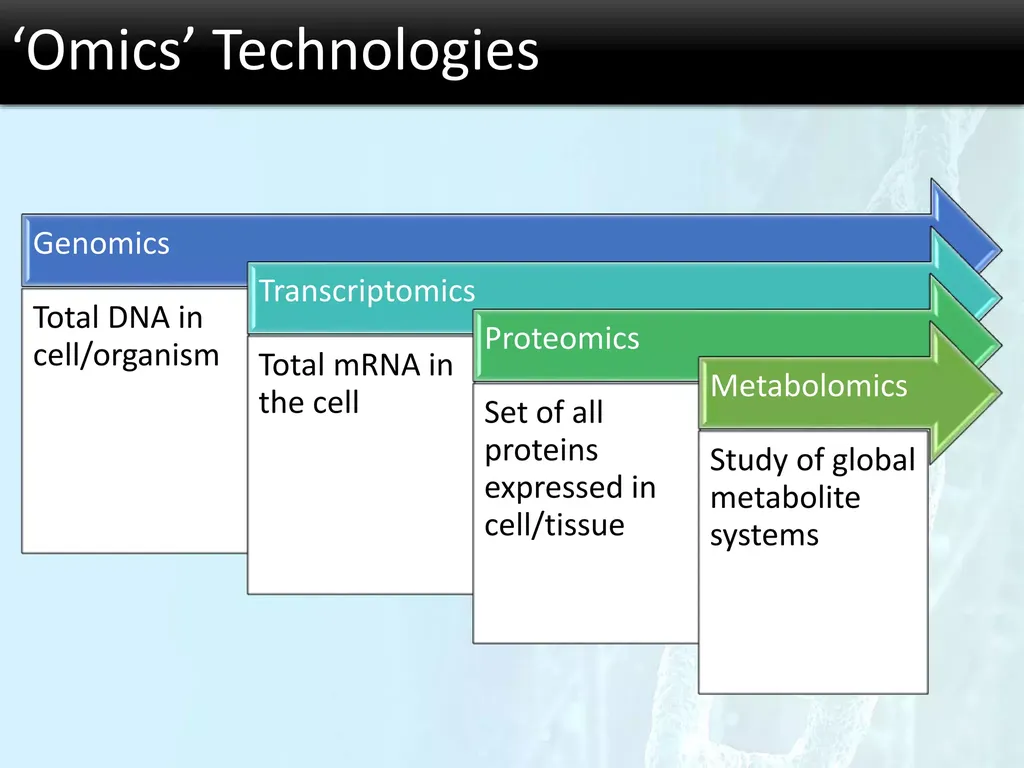
The integration of genomics and transcriptomics with proteomics and metabolomics promises to further accelerate advancements in precision agriculture. These multi-omics approaches offer a holistic view of seed biology, enabling researchers to address data interpretation challenges and pave the way for innovative solutions in food security.
As the agriculture sector grapples with the impacts of climate change and population growth, the insights from this research are timely. By understanding the molecular basis of seed viability, farmers and researchers can develop more resilient crops, ensuring a stable food supply for future generations. The work of Sultan Singh and his colleagues represents a significant step forward in this endeavor, offering hope for a more sustainable and secure agricultural future.