
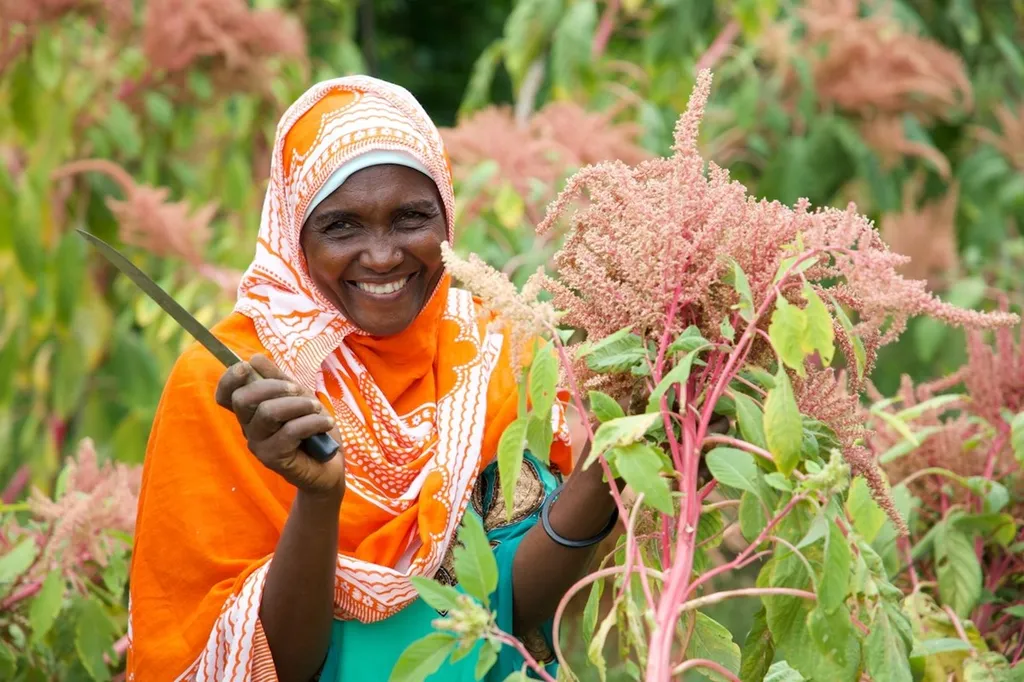
In the heart of sub-Saharan Africa (SSA), a treasure trove of neglected and underutilised indigenous vegetables (NUIVs) holds the key to enhancing food security, combating malnutrition, and building climate resilience. Yet, these crops have long been overshadowed by mainstream agriculture. A recent review published in the *Journal of Underutilised Crops Research* sheds light on the critical research gaps impeding the sustainable utilisation and mainstreaming of these vital crops, offering a roadmap for their integration into climate-smart, nutrition-sensitive food systems.
The study, led by Wiza Mphande from the Department of Agricultural Biotechnology and Biosciences at Mulungushi University in Kabwe, identifies significant gaps in agronomy, nutritional profiling, post-harvest handling, markets, and policy. These gaps have hindered the widespread adoption of NUIVs, despite their adaptability, cultural significance, and nutritional value.
“NUIVs are not just crops; they are a lifeline for many communities in SSA,” Mphande explains. “They are resilient to climate stresses, nutritious, and culturally significant. Yet, they have been marginalised in favour of more commercially dominant crops.”
The review highlights progress in East Africa, where species like *Cleome gynandra* and *Solanum scabrum* have seen advancements in seed systems and breeding. However, Southern and Central Africa lag behind due to informal seed sectors and weak institutional support. The study notes a rise in research outputs since 2019, but transdisciplinary integration remains limited.
The commercial implications for the agriculture sector are profound. By addressing these research gaps, NUIVs can be transformed into viable commercial crops, diversifying farmers’ incomes and enhancing food security. “Integrating NUIVs into the agricultural mainstream can open up new markets and value chains,” Mphande says. “This can drive economic growth and improve the livelihoods of smallholder farmers.”
The review calls for region-specific strategies that link agronomy, breeding, value chains, and policy. It serves as a guide for future research, policy, and development interventions, emphasizing the need to elevate NUIVs within agricultural agendas.
As the world grapples with the challenges of climate change and food insecurity, the insights from this review offer a beacon of hope. By mainstreaming NUIVs, SSA can build more resilient and nutritious food systems, ensuring a sustainable future for its people. The study underscores the urgent need for coordinated efforts to harness the potential of these underutilised crops, paving the way for a more secure and resilient agricultural landscape.