
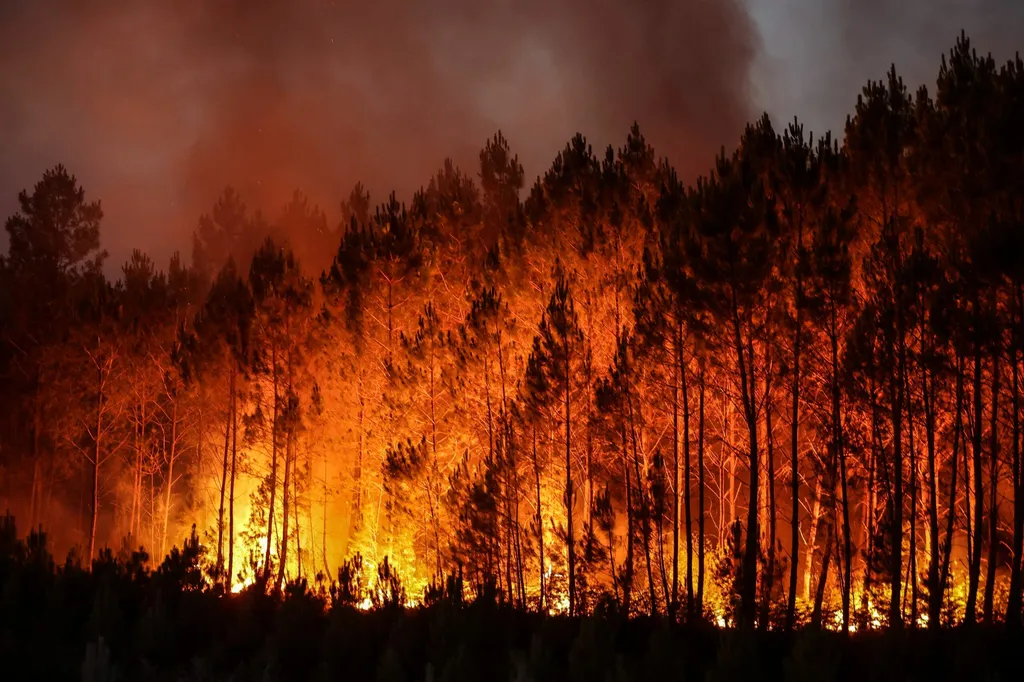
A new study published in the Proceedings of the National Academy of Sciences has shed light on the significant role that warming is playing in fueling larger and more frequent wildfires in the U.S. West. The research, led by Loretta Mickley of Harvard University, found that warming is responsible for 65 percent of carbon emissions and 49 percent of particulate pollution originating from western wildfires between 1997 and 2020.
The study highlights the implications of warming for the agriculture sector and investors. As wildfires become more prevalent, they pose a significant threat to crops and livestock, which can result in substantial economic losses for farmers and the agriculture industry as a whole. Additionally, the smoke and pollution generated by these fires can have negative impacts on air quality, which can affect the health and productivity of workers in the agriculture sector.
For investors, the study underscores the need to consider the risks associated with climate change and wildfires when making investment decisions. The agriculture sector is particularly vulnerable to these risks, and investors should be aware of the potential for losses and disruptions in this industry. Furthermore, the study highlights the importance of developing strategies to mitigate the impacts of wildfires, such as improved land management and fire suppression techniques, which can help to reduce the risks and costs associated with these events.
The findings of this study are a stark reminder of the urgent need to address the root causes of climate change and to develop effective strategies to adapt to its impacts. As Loretta Mickley noted, “Our hope is that this work will spur efforts to think more deeply about how we manage land and wildfires in the western U.S.” By taking action to address these challenges, we can help to protect the agriculture sector, safeguard the health and well-being of workers, and ensure a more sustainable and resilient future for all.