
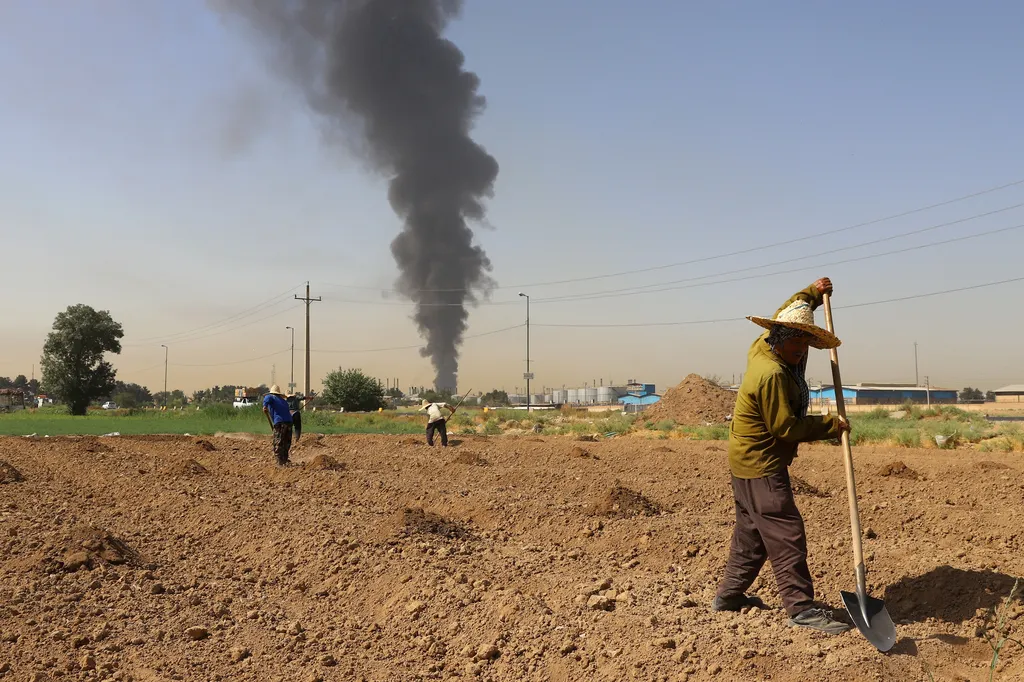
Iran’s water crisis, exacerbated by decades of mismanagement and exacerbated by climate change, is reaching a critical point, with significant implications for the country’s agriculture sector and investors. The crisis is rooted in a combination of factors, including the abandonment of traditional water management systems, such as qanats, and the construction of dams and wells that have led to the over-extraction of water resources.
The agriculture sector, which accounts for 90% of Iran’s water usage, is particularly vulnerable. The overpumping of aquifers and the drying up of rivers and wetlands have led to the abandonment of irrigated fields and a decrease in agricultural productivity. This has the potential to not only impact Iran’s food security but also its economy, as agriculture contributes significantly to the country’s GDP.
Investors, too, are at risk. The water crisis has the potential to devalue assets, such as farmland and water-intensive industries, and disrupt supply chains. The Iranian government’s plan to move the capital from Tehran to a wetter coastal region, while a necessary step to ensure water security, is a long-term project with a high price tag. This could lead to a shift in investment patterns, with investors potentially seeking to divest from water-intensive sectors or relocate their operations to areas with more reliable water supplies.
The situation is further complicated by the actions of Iran’s neighbors. The construction of dams by Afghanistan on rivers that are crucial to Iran’s water supplies is reducing cross-border flows, exacerbating the water crisis. This could potentially lead to a water war, further disrupting the agriculture sector and investment.
In conclusion, Iran’s water crisis is a complex issue with far-reaching implications. It underscores the need for sustainable water management practices and highlights the risks that climate change and mismanagement pose to the agriculture sector and investors. The situation calls for urgent action and a long-term strategy to ensure water security and mitigate the potential impacts on the economy and investors.