
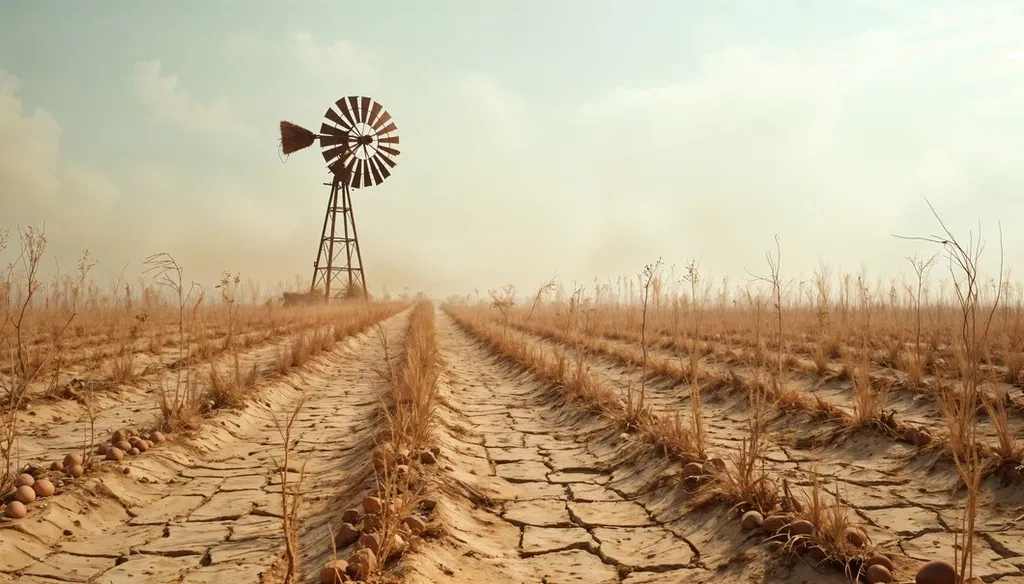
In the face of escalating climate challenges and growing water scarcity, the agricultural sector is under increasing pressure to adopt sustainable and efficient water management practices. A recent study published in *The Annals of “Dunarea de Jos” University of Galati. Fascicle IX, Metallurgy and Materials Science* by lead author Daniela-Felicia BABENCU of “Dunarea de Jos” University of Galati, Romania, sheds light on the potential of modernizing irrigation systems to address these pressing issues.
The research highlights the urgent need for innovative solutions in agriculture, particularly in regions like Romania, where fluctuating precipitation patterns and frequent droughts are becoming the norm. “The agricultural sector is at a crossroads,” BABENCU notes. “Traditional irrigation methods are no longer sufficient to ensure crop productivity and stability in the face of climate change.”
The study delves into the benefits of precision irrigation, a technology that uses sensors and data analytics to deliver water directly to plants’ roots, minimizing waste and maximizing efficiency. This approach not only conserves water but also enhances crop yields, offering a dual advantage for farmers grappling with water stress.
One of the most intriguing aspects of the research is the exploration of fog collectors as a complementary water collection method. These passive systems capture moisture from fog, providing an additional water source in regions with favorable microclimates, such as the hilly areas of Romania. “Fog collectors represent an innovative and environmentally friendly solution,” BABENCU explains. “They can play a crucial role in supplementing traditional irrigation methods, especially in areas where water resources are scarce.”
The commercial implications of these findings are significant. For the agriculture sector, the adoption of precision irrigation and fog collectors could lead to substantial cost savings and improved productivity. Farmers can reduce their water usage and operational costs while maintaining or even increasing their crop yields. This is particularly important in a market where water scarcity and climate variability are driving up the cost of agricultural inputs.
Moreover, the integration of these technologies can enhance the resilience of agricultural systems to climate change, ensuring long-term sustainability. As BABENCU points out, “The future of agriculture lies in our ability to adapt and innovate. By embracing these technologies, we can create a more sustainable and efficient agricultural sector.”
The research also opens up new avenues for future developments in the field. The potential for scaling up precision irrigation and fog collection systems could revolutionize water management in agriculture. Additionally, the study underscores the importance of continued research and investment in innovative technologies to address the challenges posed by climate change.
In conclusion, BABENCU’s research provides a compelling case for the modernization of irrigation systems as a sustainable solution for efficient water resource management in agriculture. As the agricultural sector navigates the complexities of climate change and water scarcity, the adoption of these technologies could pave the way for a more resilient and productive future.