
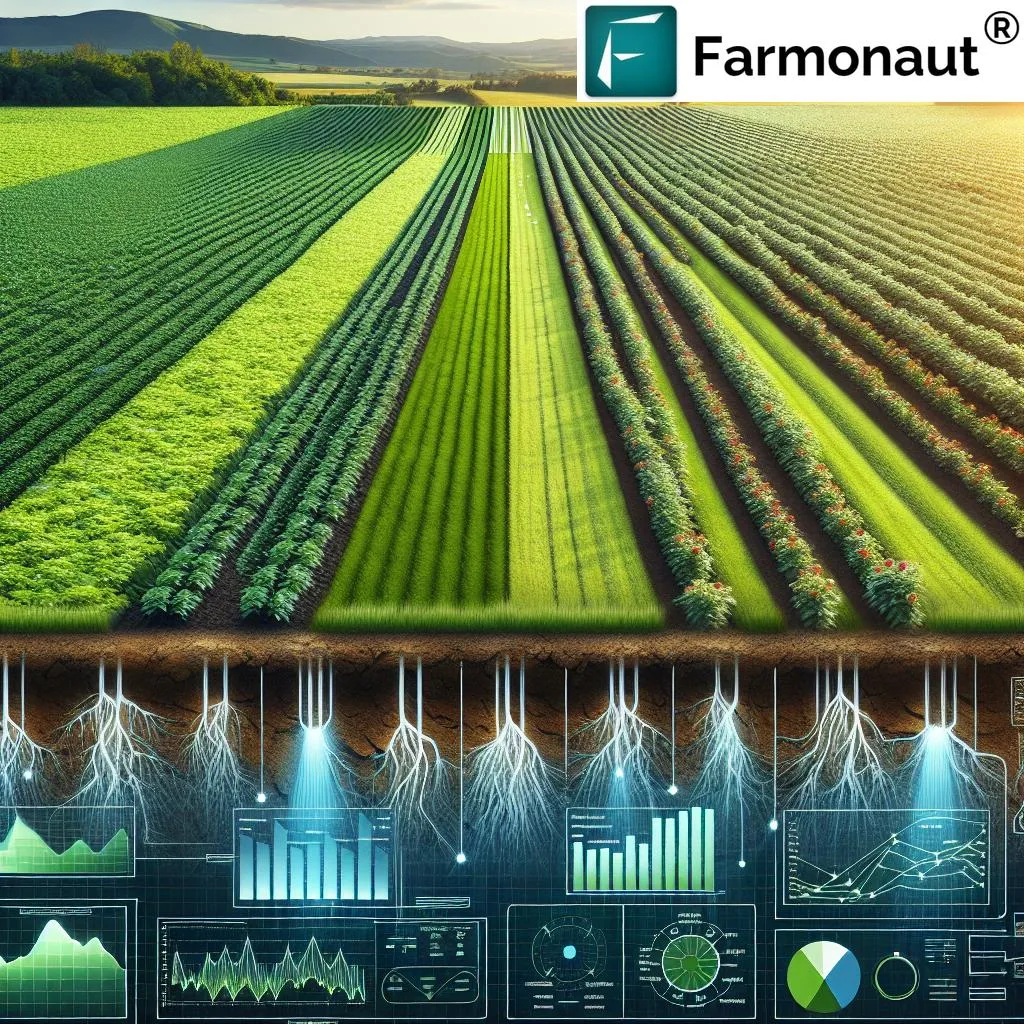
In the heart of Tamil Nadu, India, a groundbreaking study is reshaping the way we think about okra cultivation. Researchers have harnessed the power of digital lysimeters and precision agriculture to optimize irrigation for okra grown under protected cultivation. The findings, published in *Research in Agricultural Engineering*, offer promising insights for farmers and agritech innovators alike.
Okra, a staple in many cuisines, is known for its sensitivity to water stress. Too little or too much water can significantly impact yield and quality. The study, led by Sujitha Elango from the Department of Irrigation and Drainage Engineering at the Agricultural Engineering College and Research Institute, TNAU, Kumulur, Trichy, sought to address this challenge. By using a digital lysimeter, the team could precisely measure evapotranspiration (ETc) and tailor irrigation to the crop’s specific needs at different growth stages.
The experiment, conducted over two years, compared six different irrigation treatments. Five were under a forced ventilated greenhouse, and one was in an open field. The results were striking. The treatment with 100% ETc under the greenhouse (T2) showed the highest growth parameters and yield, averaging 23.8 tonnes per hectare in 2023 and 23.3 tonnes per hectare in 2024. In contrast, the open field treatment (T6) yielded significantly less, with just 9.5 tonnes per hectare in 2023 and 8.6 tonnes per hectare in 2024.
“Our findings demonstrate the critical role of stage-specific irrigation in maximizing yield and water productivity,” Elango explained. “By using digital lysimeters, farmers can fine-tune their irrigation practices, ensuring that okra receives the right amount of water at each growth stage.”
The study also highlighted the economic benefits of optimized irrigation. The treatment with 80% ETc (T3) showed the highest water productivity, with 9.85 kg per cubic meter of water in 2023 and 8.35 kg per cubic meter in 2024. This means farmers can achieve higher yields with less water, a crucial consideration in regions facing water scarcity.
The implications for the agriculture sector are substantial. As water resources become increasingly strained, the ability to optimize irrigation practices is more important than ever. Digital lysimeters and soil moisture sensors offer a precision agriculture solution that can help farmers maximize their yields while conserving water.
“This research is a game-changer for okra farmers,” said a local farmer participating in the study. “By adopting these techniques, we can improve our yields and reduce our water usage, which is good for both our bottom line and the environment.”
The study recommends using stage-specific crop coefficients of 0.32, 0.63, 0.78, and 0.41 during the initial, development, mid, and final stages of growth, respectively, under 80% ETc to optimize water productivity and maximize yield in greenhouse-grown okra.
As the agriculture sector continues to evolve, the integration of digital technologies like lysimeters and soil moisture sensors will play a pivotal role. This research not only provides a roadmap for optimizing okra cultivation but also sets a precedent for other crops. The future of agriculture lies in precision, and studies like this are paving the way.