
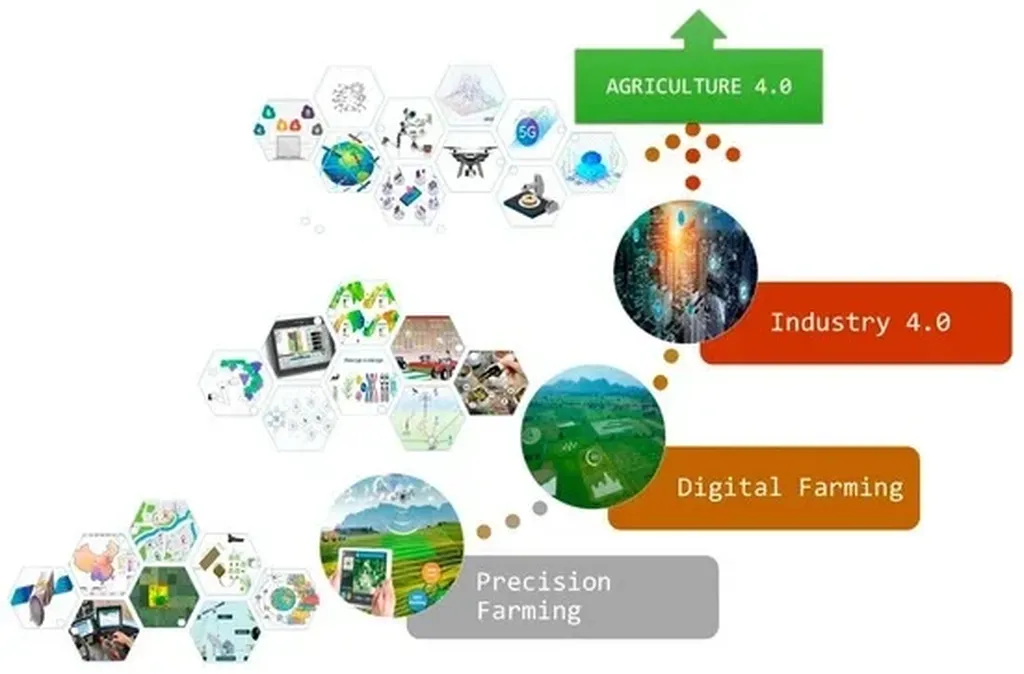
In the ever-evolving landscape of sustainable agriculture, researchers are constantly seeking innovative methods to optimize crop production while minimizing environmental impact. A recent study published in the *Journal für Kulturpflanzen* offers a nuanced approach to analyzing long-term agricultural trials, providing valuable insights for the industry.
The project, titled “Sustainable agriculture 4.0 without chemical synthetical plant protection” (NOcsPS), has been testing various cropping systems that eschew chemical synthetic pesticides but utilize mineral fertilizers. Initiated in 2020, the experiment has undergone some modifications in its cropping systems for the 2024 season. This change presents a unique challenge for data analysis, as researchers aim to integrate data from 2020 to 2023 with the new systems starting in 2024.
Hans-Peter Piepho, lead author of the study and a biostatistician at the University of Hohenheim, explains, “The key here is to develop a robust statistical model that can handle these changes. We need to ensure that the data from different years can be compared meaningfully.”
The study proposes the use of linear mixed models, a statistical technique that can account for the complexities introduced by the changes in cropping systems. Piepho and his team have developed a methodology that incorporates network meta-analytic concepts, allowing for both direct and indirect comparisons among systems from different years.
“This approach not only helps in analyzing the NOcsPS project but also provides a general strategy for modeling changes in treatments in other long-term experiments,” Piepho notes.
The implications for the agriculture sector are significant. As the industry increasingly adopts sustainable practices, the ability to analyze and compare different cropping systems over extended periods becomes crucial. This research offers a tool to make sense of complex, long-term data, ultimately aiding farmers and researchers in making informed decisions.
Piepho cautions, however, about the need for careful consideration before making changes to long-term experiments. “Our general recommendation is to be very conservative in the conduct of long-term experiments and make changes only in very well-justified cases, because the subsequent analysis and interpretation of results is complicated.”
The study’s findings, published in the *Journal für Kulturpflanzen*, underscore the importance of statistical rigor in agricultural research. As the sector continues to evolve, such methodologies will be instrumental in shaping future developments, ensuring that sustainable practices are both effective and data-driven.
In an era where data is king, this research provides a blueprint for navigating the complexities of long-term agricultural trials, ultimately contributing to a more sustainable and productive future for the industry.