
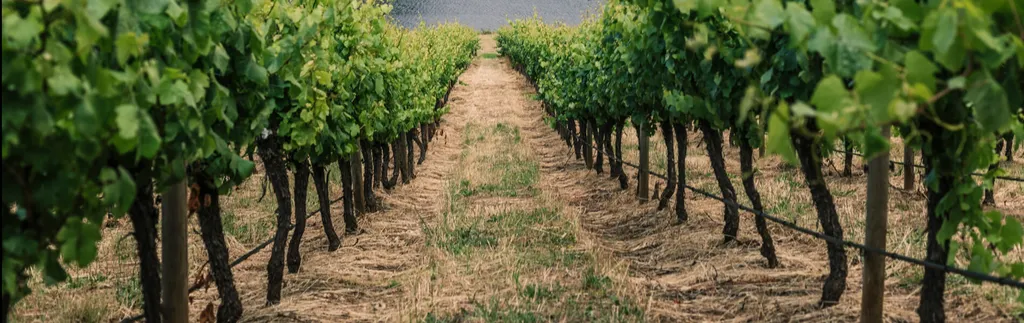
In the heart of South Australia, a novel approach to grapevine cultivation is stirring excitement among viticulturists and agritech enthusiasts alike. Researchers have been exploring the potential of double cropping in Cabernet Sauvignon grapevines, a technique that could significantly boost vineyard productivity and profitability. The findings, published in the Australian Journal of Grape and Wine Research, suggest that this method could be a game-changer for the wine industry.
Double cropping, the practice of harvesting two crops from the same plant in a single growing season, is not new to agriculture. However, its application to grapevines has been met with skepticism due to the plant’s biennial bearing habit. Filippo Del Zozzo, lead author of the study from the Department of Sustainable Crop Production, and his team have been challenging this notion. Their research focuses on the effectiveness of different bud forcing treatments to induce a second crop in Cabernet Sauvignon grapevines.
The study involved several treatments, including manual bud forcing, chemical applications, and mechanical interventions. The results were promising, with some treatments successfully inducing a second flush of growth and fruit set. “The key to success lies in the timing and method of bud forcing,” Del Zozzo explains. “We found that early intervention and gentle stimulation of the buds yielded the best results.”
The commercial implications of this research are substantial. Double cropping could increase the total yield of a vineyard, thereby enhancing its economic viability. Moreover, it offers opportunities for diversification, as the second crop could be used to produce different wine styles. “This technique could open up new markets for wine producers,” Del Zozzo suggests. “It’s not just about increasing quantity; it’s also about creating variety and catering to different consumer preferences.”
The study also highlights the potential for mechanization. While the current methods involve manual labor, Del Zozzo and his team are working on developing mechanized approaches for broader adoption. This could make the technique more accessible and cost-effective for vineyards of all sizes.
The research is still in its early stages, and more work is needed to optimize the bud forcing treatments and understand their long-term effects on vine health and productivity. However, the initial findings are a significant step forward in the quest for sustainable and profitable viticulture.
As the wine industry continues to evolve, innovations like double cropping could play a pivotal role in shaping its future. By pushing the boundaries of traditional practices, researchers like Del Zozzo are paving the way for a more productive and diverse wine landscape. The journey is far from over, but the destination is looking increasingly promising.