
In the ever-evolving landscape of agricultural technology, a groundbreaking study published in the *ITM Web of Conferences* is set to revolutionize how we detect and combat plant diseases. Led by Shen Jiaxu of the Beijing Academy, the research delves into the world of machine learning algorithms, offering a comparative analysis of their effectiveness in identifying plant diseases through image recognition.
Plant diseases pose a significant threat to global agriculture, causing substantial economic losses each year. Traditionally, disease detection has been a manual process, relying on the expertise of agronomists to identify abnormal features in plants. This method, while effective, is time-consuming and labor-intensive. The advent of machine learning algorithms promises to streamline this process, offering rapid and accurate disease detection.
The study explores various algorithms, including Convolutional Neural Networks (CNN), vision transformers (ViT), and K-means clustering. Each algorithm has its strengths and limitations, and the research provides a comprehensive comparison of their performances across different dimensions. “By understanding the advantages and limitations of these algorithms, we can better tailor them to the specific needs of the agricultural sector,” says Shen Jiaxu, the lead author of the study.
One of the key findings of the research is the potential of newer algorithms like ViT to enhance the accuracy and generalization ability of disease detection models. Vision transformers, inspired by the transformers used in natural language processing, have shown promising results in image classification tasks. “The use of vision transformers in plant disease detection is a relatively new approach, but it holds great promise for improving the efficiency and accuracy of disease identification,” explains Jiaxu.
The commercial implications of this research are profound. By automating the disease detection process, farmers and agronomists can quickly identify and address plant health issues, minimizing crop losses and maximizing yields. This not only benefits individual farmers but also has broader economic implications for the agriculture sector as a whole.
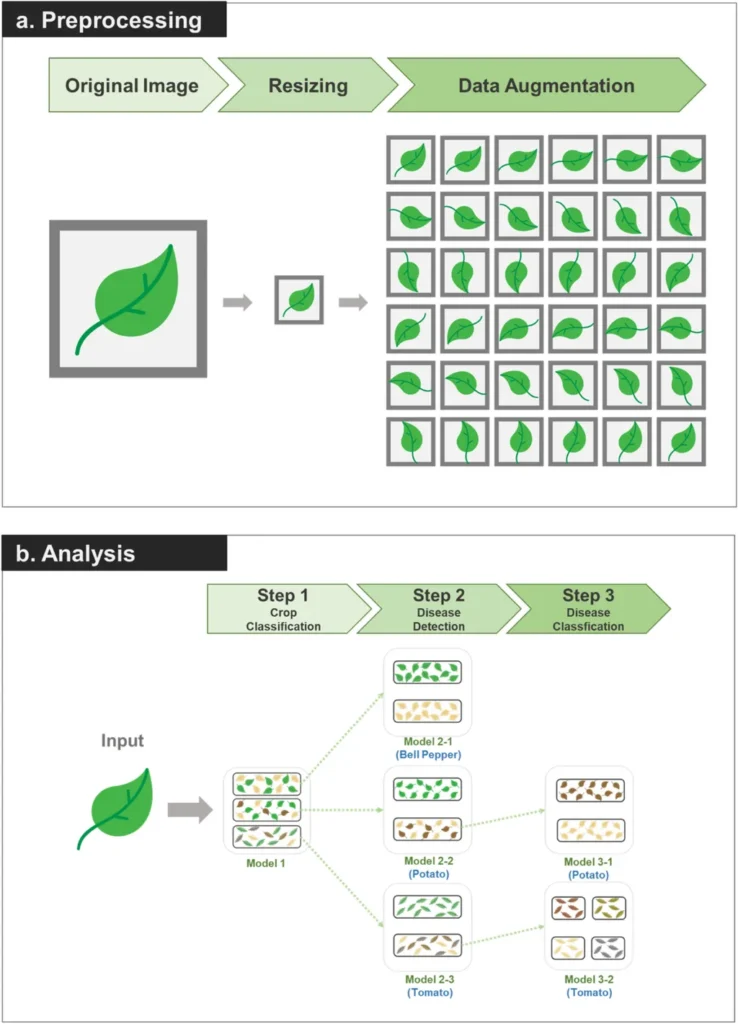
The study also highlights the importance of image preprocessing and dataset selection in enhancing the performance of these algorithms. By carefully curating and preprocessing plant images, researchers can improve the accuracy of disease detection models, making them more reliable and effective in real-world applications.
Looking ahead, the research identifies key research gaps and offers recommendations for future studies. As Shen Jiaxu notes, “There is still much work to be done in this field, but the potential benefits for the agriculture sector are immense. By continuing to refine and improve these algorithms, we can develop more robust and accurate models for plant disease detection.”
Published in the *ITM Web of Conferences* and led by Shen Jiaxu of the Beijing Academy, this study represents a significant step forward in the field of agritech. As we continue to explore the potential of machine learning algorithms in agriculture, the insights gained from this research will be invaluable in shaping the future of plant disease detection and management.