
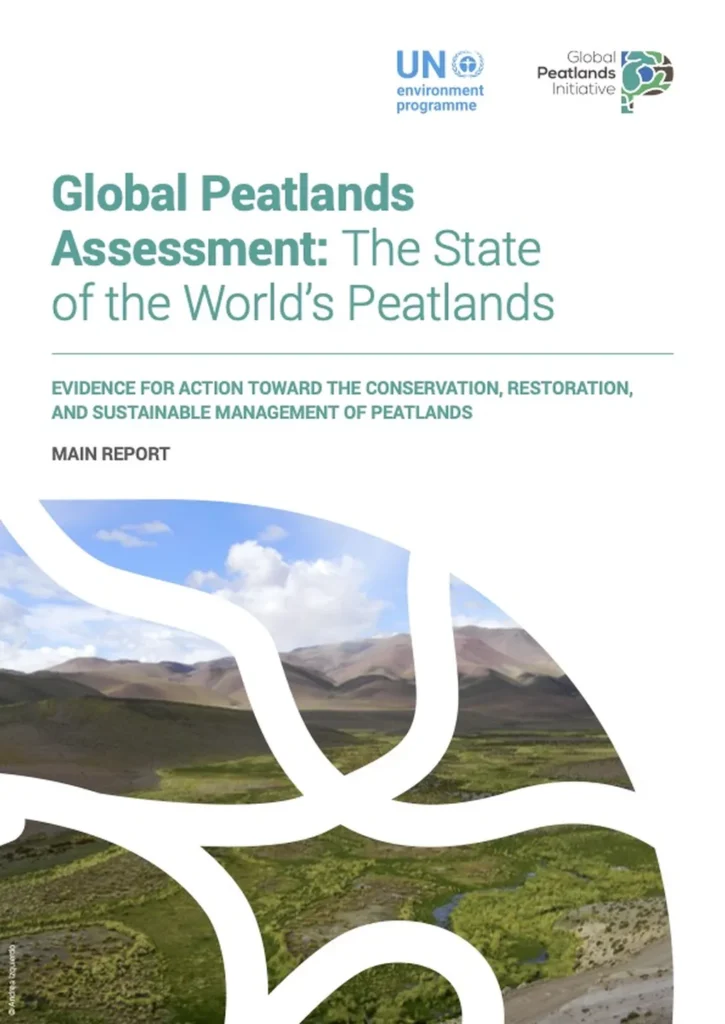
In a significant stride for global peatland research, scientists have unveiled Peat-DBase v.1.0, a comprehensive, quality-controlled database of peat depth measurements. Published in *Earth System Science Data*, this initiative, led by J. Skye from the Climate Research Division at Environment and Climate Change Canada, aims to address critical gaps in peatland data, offering a robust foundation for understanding and protecting these vital carbon stores.
Peatlands, though covering only 3% of the Earth’s land surface, store a disproportionate amount of carbon, making them crucial in the fight against climate change. However, their conservation has been hindered by limited and fragmented data. Peat-DBase v.1.0 compiles 204,902 peat depth measurements from 29 sources, spanning latitudes from 54.933° S to 82.217° N. The database also includes 94,615 non-peat soil measurements to ensure comprehensive coverage, given the relatively low spatial distribution of peatlands globally.
“This database is a game-changer,” says lead author J. Skye. “It eliminates the need for researchers to repeatedly gather and harmonize data, allowing them to focus on understanding ecosystem responses to climate change and human activities.”
The database reveals a median peat depth of 130 cm, with the deepest measurement reaching an astonishing 2223 cm. While the data show a significant concentration of measurements in Atlantic Canada and Scotland, Peat-DBase provides reasonable coverage of major global peatland complexes in temperate and boreal North America and Europe, portions of Russia, the Amazon and Congo basins, and the Malay Archipelago.
For the agriculture sector, the implications are profound. Peatlands play a crucial role in water regulation and biodiversity, directly impacting agricultural productivity and sustainability. Accurate data on peat depth and distribution can inform better land-use practices, helping farmers and policymakers make decisions that balance agricultural needs with environmental conservation.
“Understanding the spatial distribution and depth of peatlands is essential for sustainable agriculture,” explains Skye. “This data can guide precision farming techniques, optimize water use, and mitigate the impacts of climate change on food production.”
Despite its current successes, Peat-DBase is not without limitations. Sampling biases and measurement uncertainties persist, and gaps remain in regions like the lower Amazon Basin, Eastern Indonesia, and Eastern Russia. However, the database is under active development, with future versions set to incorporate additional datasets, information on current peatland status, and improved positional uncertainty quantification.
This research not only shapes future developments in peatland science but also underscores the importance of collaborative efforts in addressing global environmental challenges. By providing a centralized, harmonized repository of peat depth data, Peat-DBase v.1.0 sets a new standard for global peatland research, paving the way for more informed and effective conservation strategies.
For those interested in exploring this groundbreaking resource, Peat-DBase is available at https://doi.org/10.5281/zenodo.15530644.