
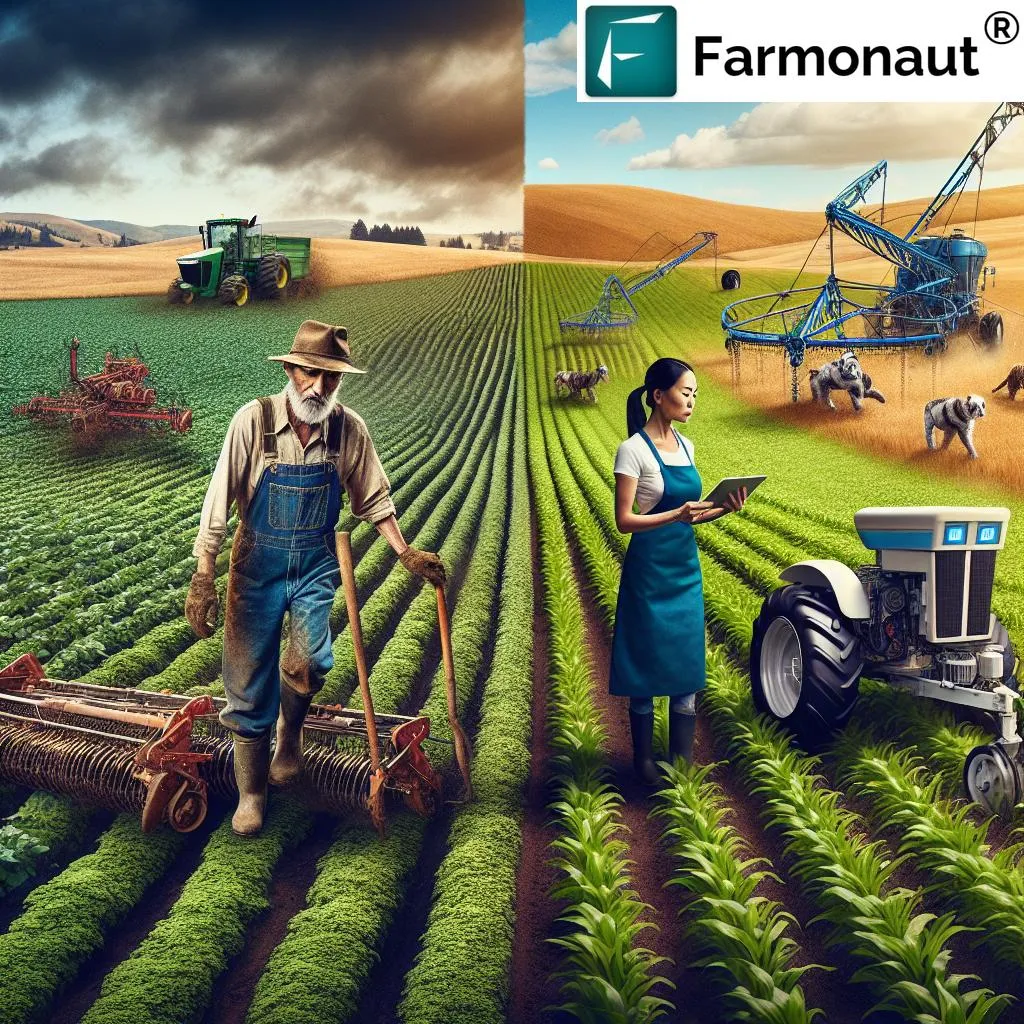
In the vast expanse of the world’s unused and abandoned lands lies an untapped agricultural goldmine. However, reclaiming these lands for productive use is a daunting task, one that could be revolutionized by the integration of robotic autonomous systems. This is the focus of a recent study published in the ITM Web of Conferences, led by Fu Yuxiang from Shenzhen Sendenlta International School.
The research highlights the potential of automated robotic systems to transform key agricultural practices such as sowing, irrigation, and harvesting. These systems, with their precision and efficiency, could significantly boost productivity in underutilized lands. “An automated system could significantly boost precision and efficiency in sowing seed, and with efficient watering/irrigation,” Fu Yuxiang notes, “we are limited with existing robotic systems, but the potential is immense.”
The study emphasizes the role of automated sensors and data collection technologies in continuous monitoring of field conditions. This real-time data provides the basis for informed decisions, optimal resource use, and adaptive decision-making, leading to continual gains in land productivity. The integration of robotics and artificial intelligence into modern agriculture could make these underutilized lands productive and sustainable, increasing both productivity and sustainability.
The commercial impacts of this research on the agriculture sector are profound. Automated systems could reduce labor costs, increase efficiency, and improve yield, making previously unproductive lands viable for farming. This could open up new markets and opportunities for farmers and agribusinesses, driving economic growth and innovation in the sector.
The research also paves the way for future developments in the field. As Fu Yuxiang explains, “Continuous real-time monitoring provides the basis for informed decisions and optimal resource use, and adaptive decision making, resulting in continual gains in land productivity.” This suggests a future where agriculture is not just about cultivating land, but also about data-driven decision-making and adaptive management.
The study, published in the ITM Web of Conferences and led by Fu Yuxiang from Shenzhen Sendenlta International School, offers a glimpse into the future of agriculture. It challenges us to think beyond traditional farming methods and embrace the potential of technology to transform the way we cultivate our lands. The journey towards sustainable and productive agriculture is just beginning, and robotic autonomous systems could be the key to unlocking its potential.