
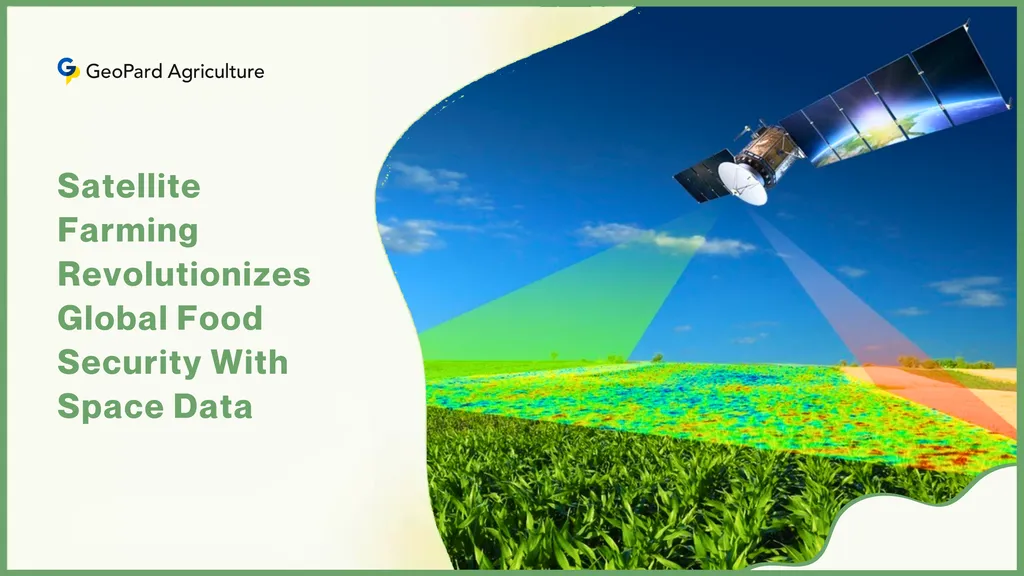
In a groundbreaking study published in *Frontiers in Veterinary Science*, researchers have demonstrated the potential of satellite-based monitoring to revolutionize forage quality assessment in the UK’s grasslands. By leveraging Sentinel-2 satellite data and random forest regression models, the team, led by J. G. N. Irisarri from the University of Wyoming, has developed a scalable and cost-effective method for predicting key forage quality attributes. This innovation could significantly impact the agriculture sector, particularly in improving grazing management and reducing methane emissions from livestock systems.
The study focused on four critical forage quality metrics: crude protein (CP), water-soluble carbohydrates (WSC), neutral detergent fiber (NDF), and acid detergent fiber (ADF). These attributes are crucial for animal performance and environmental impact, as they influence rumen fermentation and nutritional stress. Traditionally, monitoring these metrics has been labor-intensive and costly, relying on destructive sampling methods. However, the new approach offers a promising alternative by combining optical remote sensing with machine learning.
Using over 9,500 georeferenced observations collected between 2020 and 2022 at the North Wyke Farm Platform in southwest UK, the researchers calibrated and validated their models. The data were gathered using near-infrared (NIR) sensors mounted on agricultural machinery across paddocks containing permanent and improved pastures. Sentinel-2 spectral predictors included visible, NIR, and red-edge bands, and model performance was evaluated using R² and RMSE metrics.
The results were impressive, with R² values ranging from 0.77 to 0.86 and consistently low RMSE values, indicating high predictive accuracy. “The models performed exceptionally well, particularly in predicting crude protein and water-soluble carbohydrates,” noted Irisarri. “This level of accuracy is a significant step forward in our ability to monitor forage quality at scale.”
The study also revealed that improved pastures generally exhibited higher forage quality, characterized by lower ADF and higher WSC concentrations, compared to permanent pastures. Model-predicted seasonal changes were modest, whereas spatial contrasts between paddocks were much more pronounced. This spatial variability highlights the importance of targeted grazing management strategies to optimize forage quality and animal performance.
The implications for the agriculture sector are substantial. By providing a scalable and cost-effective method for monitoring forage quality, this research could help farmers and ranchers make more informed decisions about grazing management. Improved forage quality can enhance animal performance, reduce nutritional stress, and lower enteric methane emissions, contributing to more sustainable livestock systems.
“Our findings suggest that satellite-based monitoring, combined with machine learning, has the potential to transform the way we manage grasslands and livestock systems,” said Irisarri. “This technology could be a game-changer for the agriculture sector, enabling more precise and efficient management practices.”
While the calibrated models are suitable for forage systems with species composition and quality ranges similar to those represented in the dataset, the researchers caution that direct application to other forage types would require recalibration. Nonetheless, the study demonstrates the potential of Sentinel-2 remote sensing combined with machine-learning approaches for large-scale forage quality monitoring.
As the agriculture sector continues to seek innovative solutions to improve sustainability and efficiency, this research offers a promising path forward. By harnessing the power of satellite technology and machine learning, farmers and ranchers can gain valuable insights into forage quality, ultimately enhancing animal performance and reducing environmental impact. The study, led by J. G. N. Irisarri from the Department of Ecosystem Science and Management at the University of Wyoming, represents a significant advancement in the field of agritech and underscores the potential of remote sensing and machine learning to drive progress in agriculture.