
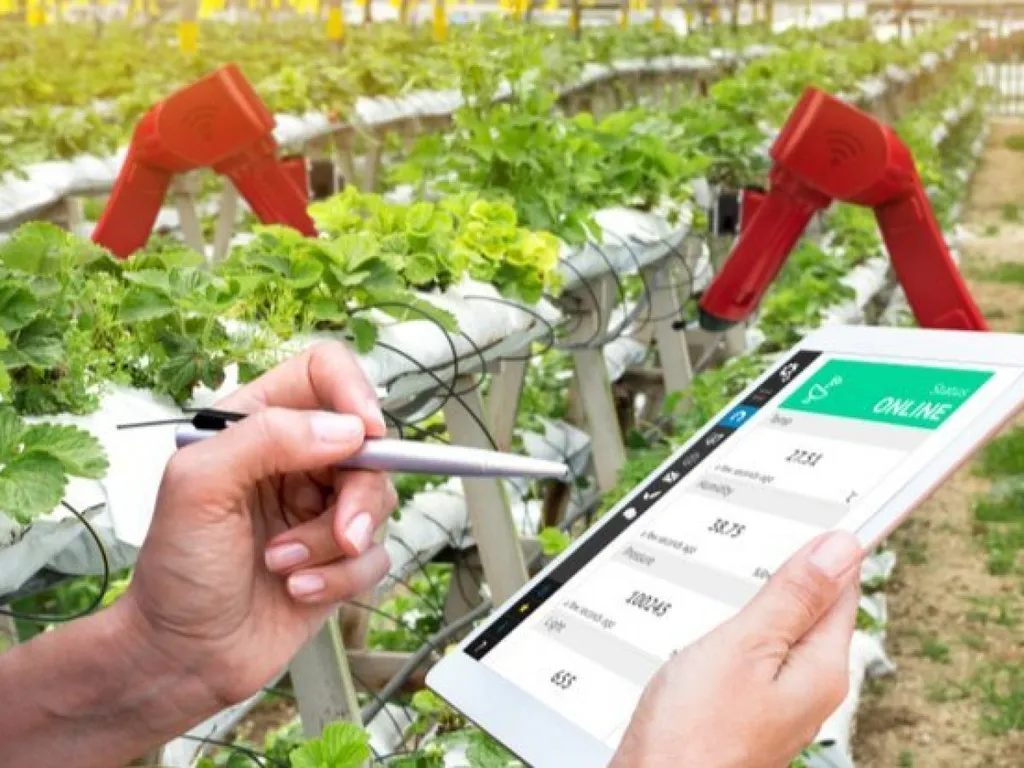
In the heart of urban landscapes, a quiet revolution is taking place. Indoor hydroponics, a method of growing plants without soil, is gaining traction as a sustainable and efficient way to cultivate crops. However, managing these controlled environments can be a complex task, requiring constant monitoring of various parameters to ensure optimal plant growth. Enter SIMPONI, a web-integrated Internet of Things (IoT) platform designed to simplify and enhance indoor hydroponic farming.
Developed by Fakhri Humam Ibadillah from the School of Applied Science at Telkom University, SIMPONI is a cutting-edge system that leverages the power of IoT to provide real-time monitoring of key environmental factors. “The idea behind SIMPONI is to create a user-friendly platform that allows growers to keep a close eye on their hydroponic setups, even when they’re not physically present,” Ibadillah explains.
The system is built around an ESP32-S3 UNO microcontroller, which is connected to a suite of sensors that measure pH, Total Dissolved Solids (TDS), water temperature, air temperature and humidity, light intensity, and water level. These sensors collect crucial data that is then transmitted to a Firebase cloud database, ensuring that the information is accessible from anywhere at any time.
One of the standout features of SIMPONI is its web dashboard, constructed using Next.js and integrated with Firebase services. This dashboard serves as a centralized hub where users can view historical trends, configure sensor thresholds, and manage device settings. “The dashboard is designed to be intuitive and responsive, providing growers with the insights they need to make informed decisions,” Ibadillah adds.
The potential commercial impacts of SIMPONI on the agriculture sector are substantial. By automating the monitoring process, the system can help growers optimize their operations, reduce waste, and improve crop yields. This is particularly relevant in urban agriculture, where space is limited, and efficiency is paramount. Moreover, the platform’s extensible architecture lays the groundwork for future enhancements, such as automation and data-driven optimization, which could further revolutionize the way we approach indoor farming.
SIMPONI has been deployed in a controlled indoor hydroponic setup to validate its functionality, with results indicating consistent data transmission and responsive visualization. These findings, published in the ‘BIO Web of Conferences’, underscore the system’s potential to transform indoor hydroponics and pave the way for more sophisticated agricultural technologies.
As the world grapples with the challenges of climate change and food security, innovations like SIMPONI offer a glimmer of hope. By harnessing the power of IoT and data analytics, we can create more sustainable and efficient agricultural systems that can thrive in even the most urbanized environments. The future of farming is here, and it’s looking greener than ever.