
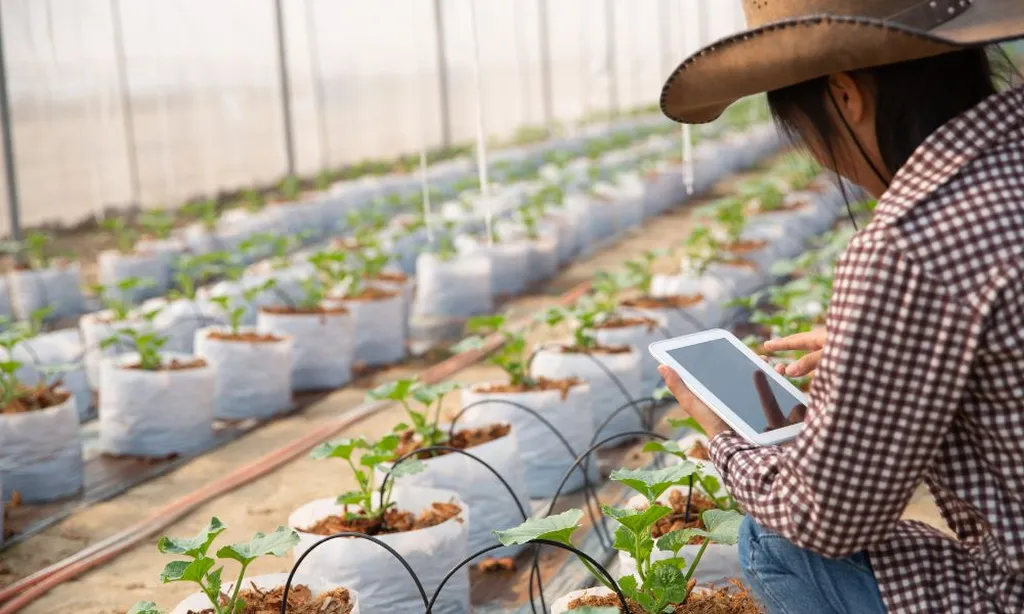
Farming wearables are revolutionizing the agricultural industry, offering farmers unprecedented capabilities to track livestock health, enhance worker safety, and streamline farm operations. By transforming routine tasks into data-driven processes, these innovative technologies enable farms to predict problems, prevent losses, and operate more efficiently. As wearable farming technology becomes increasingly user-friendly and affordable, farmers across the country are experiencing significant improvements in productivity, sustainability, and overall well-being. From smart sensors to GPS-enabled devices, this technology is redefining modern agriculture and reshaping the way farms are managed.
Wearable devices for agriculture are proving particularly valuable in livestock operations. They allow farmers to continuously monitor animal health, respond more swiftly to changes, and maintain better control over herd behavior. Smart collars, equipped with motion sensors, temperature monitors, and location tracking, provide a comprehensive view of an animal’s daily patterns. These devices track activity levels, rumination, body movement, and temperature changes throughout the day, often revealing early signs of illness before visible symptoms appear. This early detection enables farmers to act quickly, avoiding major setbacks and supporting both animal welfare and better milk or meat production.
Livestock lameness, a costly and common problem, is being tackled more effectively with wearable farming technology. By analyzing walking patterns and movement levels, sensors can identify irregular steps or inactivity, strong indicators of discomfort. This early warning system allows farmers to begin treatment before the condition worsens, reducing pain for the animal and preserving overall herd performance. Additionally, wearable technology is enhancing breeding and reproductive management. Activity monitors and GPS-enabled collars help detect estrus with higher accuracy, allowing farmers to time insemination correctly. This increases the chances of successful breeding, reduces wasted cycles, and maintains healthier calving patterns, all of which improve farm efficiency.
In land and pasture management, virtual fencing has emerged as one of the most innovative uses of farming wearables. GPS collars allow farmers to guide livestock using audio cues or vibrations instead of physical fencing. This system supports more flexible grazing, easier pasture rotation, and improved land conservation, all without the need for installing or moving traditional fences.
Smart wearables for farmers and farm workers are becoming essential tools for protecting health, preventing accidents, and improving daily performance across the farm. Wearables that track heart rate, temperature, and hydration levels provide real-time insights into physical strain. These devices can warn users when heat stress becomes dangerous or when fatigue may lead to injury, helping prevent health emergencies before they occur. Agricultural work involves tractors, grinders, engines, and equipment that generate high noise levels, and long-term exposure can damage hearing. Wearables designed for noise monitoring track sound exposure and help workers stay within safe limits. Some devices pair with smart ear protection that filters harmful noise while keeping communication clear, improving both safety and productivity.
Activity trackers help measure movement patterns, sleep quality, and recovery time. When signs of fatigue appear, tasks can be rotated, breaks adjusted, or schedules modified. This minimizes the chances of repetitive strain injuries and helps maintain workforce well-being. Dust, crop particles, and chemicals present respiratory risks in barns, fields, and enclosed spaces. Wearable air-quality monitors detect rising particulate levels and send alerts when breathing conditions become hazardous. This encourages workers to use protective gear or relocate, helping prevent long-term respiratory issues and improving overall safety.
While farming wearables offer immense value, several obstacles prevent farms from adopting them as fast as expected. High initial costs and durability concerns are significant barriers. Many wearables require tough materials to endure mud, moisture, and rough use, making them expensive, especially for small farms with limited budgets. Ensuring they withstand everyday farm conditions is also essential for long-term reliability. Wearable farming technology relies on continuous power. Batteries must be recharged frequently, which can interrupt data collection. Innovations like low-power sensors and energy-harvesting designs are on the horizon, but current limitations remain a challenge for large farming operations.
Wearables gather detailed information about workers and livestock. Questions arise regarding who owns the data, how it should be used, and how privacy is protected. Farms must establish clear policies to maintain trust, especially when monitoring human workers. Training is essential for interpreting data, adjusting workflows, and making informed decisions. Without proper implementation, the full benefits of farming wearables may not be realized.
Some farms now use heat and stress-monitoring wearables to reduce heat-related illnesses. When body temperature or heart rate climbs too high, workers receive alerts, and supervisors can step in before danger escalates. By combining activity tracking with temperature and rumination monitoring, many farms have reported noticeable increases in milk output, improved breeding success, and fewer disease outbreaks. Early detection has become one of the most valuable advantages of wearable farming technology. Farms using virtual fencing have reduced the need for physical barriers, improved grazing rotation, and created more sustainable pasture systems through flexible, GPS-based management.