
In the heart of Europe, Bulgaria’s agricultural sector faces an uncertain future as climate change reshapes the landscape of farming. A recent study published in ‘Икономика и управление на селското стопанство’ sheds light on the potential risks and offers insights into adaptive strategies that could safeguard the industry’s economic viability.
The research, led by Metodi Ivanov from Sofia University „St. Kliment Ohridski“, highlights the dual challenge of evolving climate patterns and water scarcity. “Altered climatic conditions not only threaten agricultural productivity but also contribute to reduced yields and economic instability for agricultural producers,” Ivanov warns. This instability is a significant concern for an industry that forms the backbone of many rural economies.
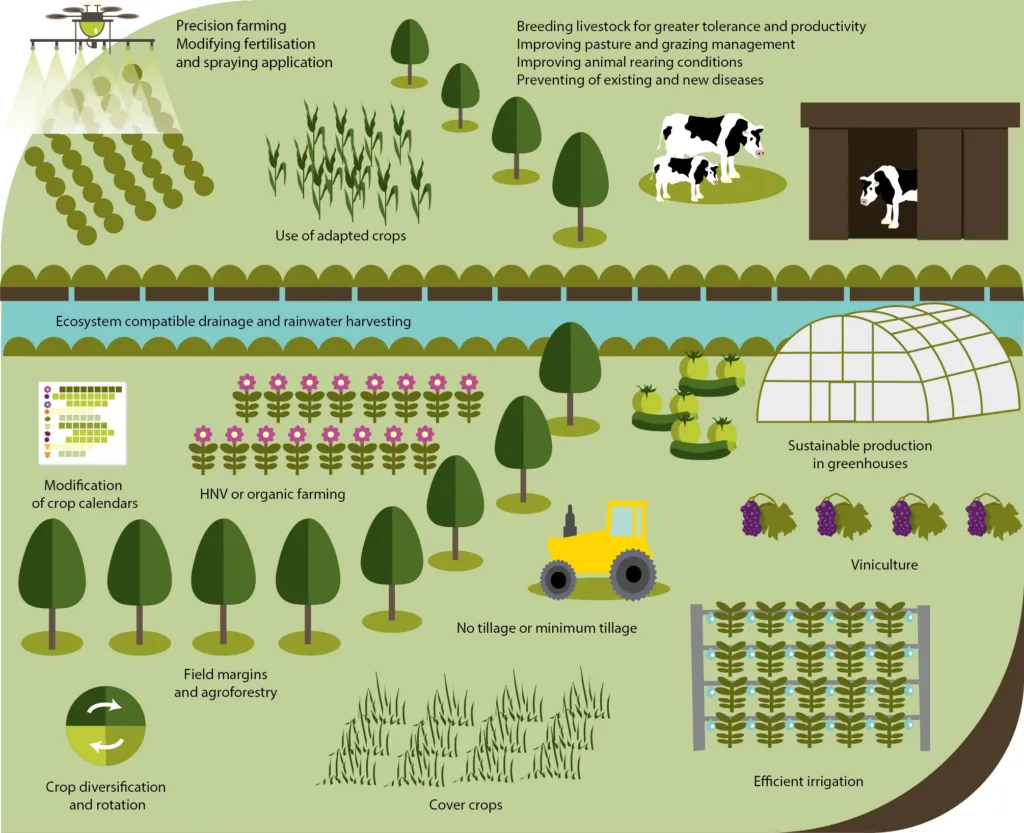
The study emphasizes that climate change doesn’t just impact crops; it also poses a threat to public health and food security. With natural risks and disasters becoming more likely, the need for adaptive strategies is more pressing than ever. Ivanov suggests that increased use of drought-resistant crops and enhanced sustainable soil management practices could be key to mitigating these risks.
The economic implications are substantial. Reduced yields and increased unpredictability can lead to volatile market prices, affecting both farmers and consumers. Moreover, the study underscores the importance of achieving sustainability in resource access and knowledge for climate change adaptation. This sustainability is vital for safeguarding food security and public health, given agriculture’s indispensable role in providing economic livelihoods to rural populations.
The research also calls for improved forecasting of climate change impacts on agriculture. Developing an indicator system and criteria for evaluating climate-smart agriculture could provide much-needed guidance for policymakers and farmers alike. “Achieving such sustainability is crucial for the future of Bulgarian agriculture,” Ivanov asserts.
As the agricultural sector grapples with these challenges, the study offers a roadmap for resilience. By embracing climate-smart practices and investing in sustainable technologies, Bulgaria can protect its agricultural heritage and ensure food security for future generations. The findings of this research could shape future developments in the field, guiding policymakers and farmers towards a more sustainable and resilient agricultural future.
In the face of climate change, the agricultural sector must adapt or risk facing severe economic and social consequences. The insights from Ivanov’s research provide a crucial starting point for developing strategies that can safeguard Bulgaria’s agricultural industry and ensure its continued contribution to the national economy.