
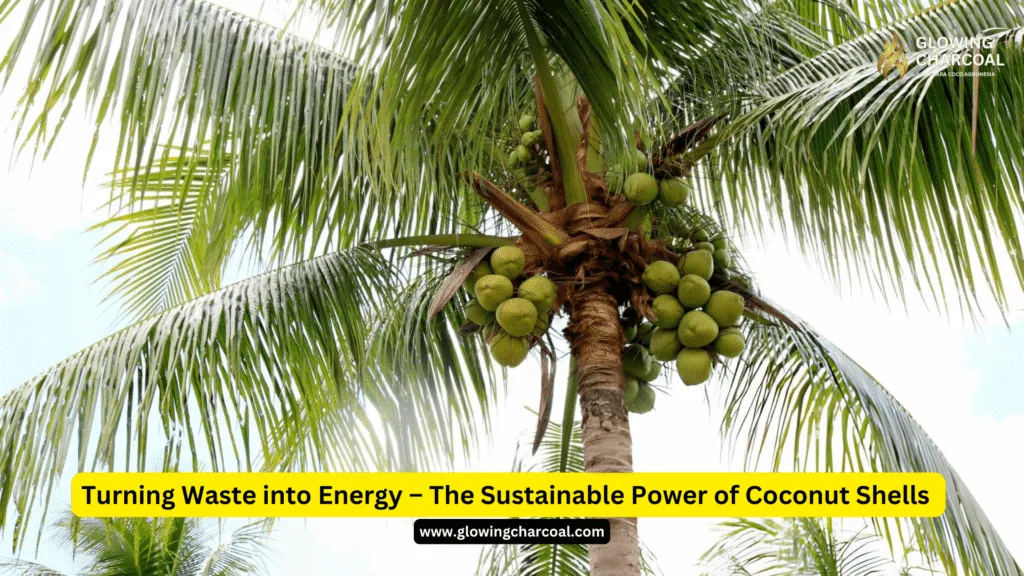
In the quest for sustainable energy solutions, researchers are turning to an unlikely hero: the humble coconut shell. A recent bibliometric study published in the *International Journal of Applied Sciences and Smart Technologies* sheds light on the potential of coconut shell-based briquettes, offering a promising avenue for renewable energy and circular economy practices. Led by Ridho Darmawan from Universitas Padjadjaran, the study delves into the development, research focus, and future directions of coconut shell briquettes, providing valuable insights for the agriculture sector and beyond.
Coconut shells, often discarded as waste, are being repurposed into briquettes, a form of compressed biomass fuel. The study, which analyzed 134 selected documents, reveals that mixing coconut shells with other biomass materials, such as wood-based and agricultural residues, can significantly enhance briquette performance. “The combination of coconut shells with other biomass not only improves the energy content but also addresses the issue of waste management in the agriculture sector,” Darmawan explains.
One of the most intriguing findings is the potential of alternative binders. Traditionally, food-based materials have been used to bind briquettes, but the study highlights promising substitutes like lignocellulosic carbohydrates, plant sap, and even waste cooking oil. These alternatives not only reduce the dependency on food resources but also provide a more sustainable and cost-effective solution.
The study also points to the role of oily biomass, such as eucalyptus waste and pine resin, in improving briquette performance due to their volatile content. This opens up new possibilities for utilizing agricultural and forestry residues that are currently underutilized.
Perhaps most exciting is the integration of automation technologies based on microcontrollers and the Internet of Things (IoT). These technologies are beginning to be applied to improve production efficiency and consistency, paving the way for more advanced and scalable briquette production processes.
The commercial impacts for the agriculture sector are substantial. By transforming agricultural waste into a valuable energy resource, farmers can diversify their income streams and contribute to a more sustainable future. Moreover, the use of local biomass can reduce transportation costs and carbon emissions, making the entire process more environmentally friendly.
As the world grapples with the challenges of climate change and energy security, the findings of this study offer a beacon of hope. By harnessing the power of coconut shells and other biomass materials, we can move towards a more sustainable and circular economy. The study serves as a foundation for future research and development, encouraging innovations in material formulation and technological advancements.
In the words of Darmawan, “The future of coconut shell-based briquettes is bright, and with continued research and investment, we can unlock their full potential to meet our energy needs sustainably.” As we look ahead, the integration of these findings into commercial practices could revolutionize the way we think about waste and energy, shaping a more sustainable future for all.