
In the heart of Leipzig, Germany, a quiet revolution is taking root, one that could reshape the way we think about food, sustainability, and community. A recent study published in *Cleaner and Responsible Consumption* has shed light on the profound impacts of Community Supported Agriculture (CSA) on sustainability, offering a beacon of hope for a more responsible food future. The research, led by Madeleine Pries from the Helmholtz-Centre for Environmental Research (UFZ), provides a comprehensive analysis of CSA’s potential to drive regional socio-ecological transformation.
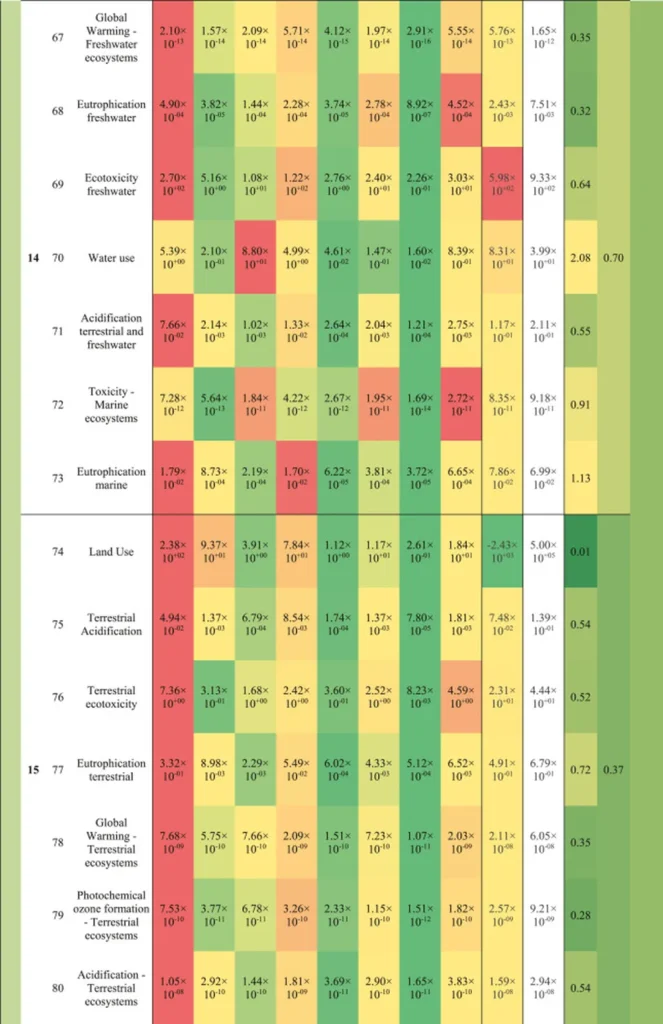
The study, a first-of-its-kind in Germany, employed a Holistic and Integrated Life Cycle Sustainability Assessment (HILCSA) to evaluate the sustainability benefits and impacts of a CSA initiative in Leipzig. The assessment covered seven different fruits and vegetables produced by the CSA and distributed to local schools. The results were striking: CSA demonstrated 63% fewer sustainability risks compared to the conventional German food market. This finding is a significant milestone, underscoring the potential of CSA to revolutionize the agriculture sector.
“CSA is not just about growing food; it’s about building a sustainable food network that benefits everyone involved,” Pries explained. The study found that replacing conventional supply with CSA for just 200 pupils could avoid 1 ton of CO2 equivalents over one school year. This is a testament to the power of local, community-driven initiatives in mitigating climate change.
However, the research also highlighted areas for improvement. Resource efficiency emerged as a key challenge, with CSA yields significantly lower than conventional production. Despite this, the CSA showed similar water, land, and energy uses per hectare, indicating that with targeted improvements, CSA could become even more sustainable.
The commercial implications of this research are substantial. As consumers increasingly demand sustainable and locally sourced food, CSAs could become a vital part of the agriculture sector’s future. The study’s findings provide a robust framework for other CSAs to assess and improve their sustainability practices, potentially unlocking new markets and opportunities.
Moreover, the study’s integrative approach to analyzing CSA benefits and impacts could set a new standard for sustainability assessments in the agriculture sector. By quantifying the sustainability benefits of CSA, the research offers a compelling case for policymakers, investors, and consumers to support and engage with these initiatives.
As the world grapples with the challenges of climate change, food security, and sustainable development, the Leipzig CSA study offers a glimmer of hope. It demonstrates that by working together, communities can create a more sustainable and resilient food system. The research, led by Madeleine Pries from the Helmholtz-Centre for Environmental Research (UFZ), published in *Cleaner and Responsible Consumption*, is a call to action for the agriculture sector to embrace the CSA model and drive the socio-ecological transformation our world so desperately needs.