
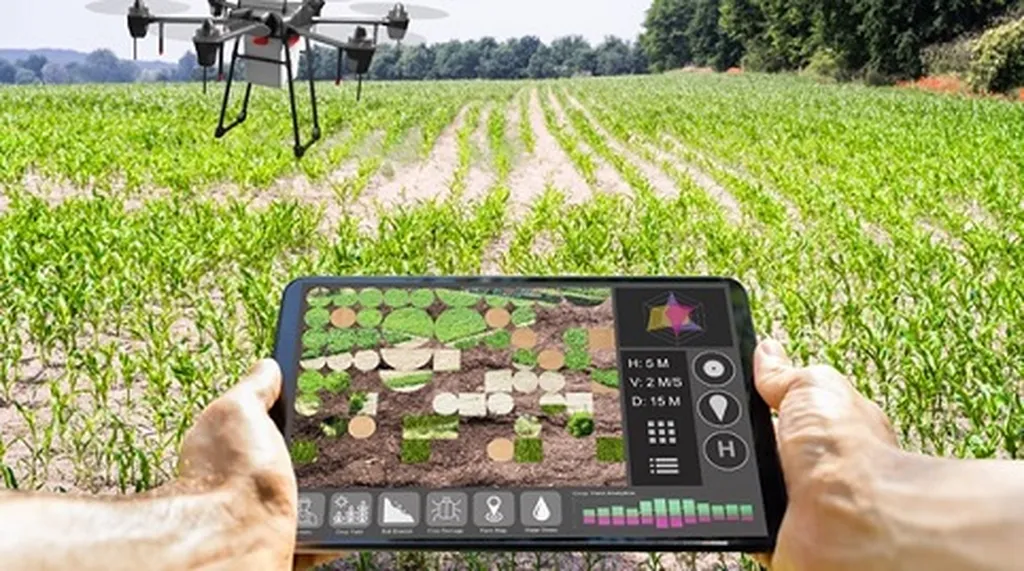
The agriculture industry is undergoing a transformative shift, driven by the rapid adoption of precision farming technologies. Traditionally, farming practices relied heavily on the experience and visual assessment of operators. However, the integration of GPS-guided machinery, including tractors, sensors, and drones, has ushered in a new era of accuracy and efficiency.
The Food and Agriculture Organization (FAO) highlights that precision agriculture significantly enhances crop efficiency while reducing the environmental footprint of conventional farming methods. These advanced tools enable more targeted field operations, which increase yields and minimize waste by focusing resources precisely where they are needed. Remote sensing capabilities allow farmers to monitor crop health, moisture levels, and pest control in real-time, facilitating early disease detection and identification of nutrient deficiencies.
Mobile farm management applications have revolutionized agricultural planning by providing farmers with real-time data on weather patterns, market prices, expenses, livestock health, and crop schedules. These platforms are increasingly incorporating data analytics and machine learning algorithms that identify optimal planting windows, reveal market trends, generate yield estimates, and provide pest risk warnings. This wealth of information empowers farmers to capitalize on favorable conditions and make informed decisions.
Modern analytics platforms powered by artificial intelligence (AI) are particularly beneficial for smaller family farms. By delivering predictive insights, these platforms reduce uncertainty and improve decision-making across production cycles. Agricultural technology research has documented the capabilities of AI-led prediction models, which offer valuable guidance for farmers navigating the complexities of modern agriculture.
Automation technologies are also playing a crucial role in enhancing farm operations. Automated irrigation systems, weeding equipment, livestock monitoring devices, and harvesting machinery deliver substantial time and cost savings. These technologies allow farmers to focus on critical management tasks, thereby improving overall productivity.
For livestock operations, automated feeding systems combined with RFID tagging enable precise tracking of animal behavior, breeding cycles, and herd movements with unprecedented accuracy. Smart irrigation systems that adjust water delivery based on real-time soil moisture readings can drastically reduce water consumption. This advancement is particularly critical, as emphasized in McKinsey’s research on digital agriculture, which shows how connected technologies drive efficiency gains and resource conservation in modern farming operations.
As the agriculture industry continues to embrace these technological advancements, the implications are far-reaching. Precision farming not only boosts productivity and profitability but also promotes sustainable practices that protect the environment. By leveraging the power of data, automation, and AI, farmers are better equipped to meet the challenges of feeding a growing global population while minimizing their environmental impact. The future of agriculture lies in these innovative technologies, which are reshaping the way we cultivate the land and care for livestock.