
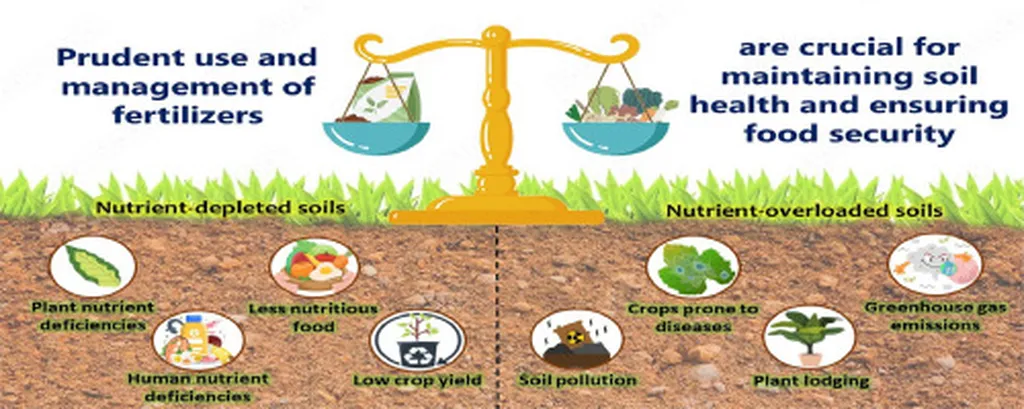
In an era where sustainability and food security are at the forefront of global concerns, a recent review published in *Technology in Horticulture* sheds light on the transformative potential of agro-industrial waste in agriculture. Led by Vander Rocha Lacerda from the Tropical Research and Education Center at the University of Florida, the study delves into how organic materials like coconut fiber, coffee grounds, eggshells, rice husk, and sawdust can revolutionize soil health and crop cultivation.
The research underscores the critical role these organic wastes play in enhancing soil fertility, structure, and microbiology. As the world grapples with increasing food demand and environmental degradation, the findings offer a promising avenue for sustainable agriculture. “By leveraging these organic materials, we can significantly reduce our reliance on chemical fertilizers and minimize waste sent to landfills,” Lacerda explains. This shift not only promotes environmental stewardship but also holds substantial commercial benefits for the agriculture sector.
The review highlights the vast scale of organic waste generation, particularly in the world’s most populous countries. It analyzes the potential of these wastes as fertilizers and soil improvers, emphasizing their effectiveness and the challenges associated with their adoption. The study also explores the prospects of integrating these materials into agricultural systems, stressing the need for continued research and innovation.
For the agriculture sector, the implications are profound. The use of agro-industrial waste as organic fertilizers can lead to cost savings, improved crop yields, and enhanced soil health. This sustainable approach aligns with the growing consumer demand for eco-friendly and responsibly sourced products. As Lacerda notes, “The future of agriculture lies in our ability to innovate and adapt. By maximizing the potential of these organic materials, we can create a more sustainable and resilient food system.”
The research published in *Technology in Horticulture* by lead author Vander Rocha Lacerda from the Tropical Research and Education Center at the University of Florida offers a compelling vision for the future of agriculture. As the world seeks sustainable solutions to feed its growing population, the insights from this study could shape the development of new practices and technologies in the field. The journey towards sustainable agriculture is complex, but with continued research and innovation, the potential benefits are immense.