
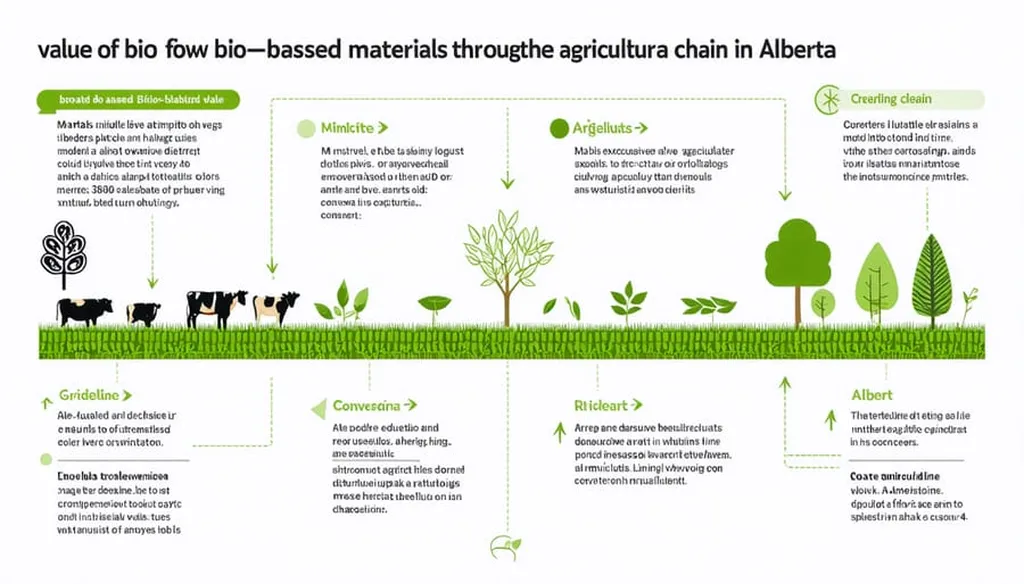
In the quest for sustainable agriculture and rural development, a new thematic issue in *Agricultural Economics (AGRICECON)* is making waves. Led by Eva Cudlínová of the Department of Regional Management and Law at the University of South Bohemia, this collection of research delves into the transformative potential of bioeconomic strategies and systems. The findings could reshape how the agriculture sector approaches sustainability, offering both environmental and commercial benefits.
Bioeconomy, the sustainable use of renewable biological resources, is gaining traction as a solution to some of agriculture’s most pressing challenges. From reducing greenhouse gas emissions to enhancing soil health, the applications are vast. Cudlínová and her colleagues explore how these strategies can be integrated into existing agricultural systems to create a more resilient and profitable sector.
One of the key insights from the research is the potential for bioeconomic systems to drive rural development. By leveraging local resources and knowledge, these systems can create new economic opportunities for rural communities. “Bioeconomic strategies not only promote sustainability but also foster economic growth in rural areas,” Cudlínová notes. This dual benefit could be a game-changer for regions struggling with economic stagnation and environmental degradation.
The commercial impacts of this research are significant. Farmers and agribusinesses stand to gain from the adoption of bioeconomic practices, which can lead to increased productivity and reduced costs. For instance, the use of bio-based fertilizers and pesticides can improve crop yields while minimizing environmental harm. Additionally, the development of bio-based products, such as bioplastics and biofuels, opens up new revenue streams for agricultural enterprises.
The research also highlights the importance of policy support in driving the adoption of bioeconomic strategies. Governments and international organizations have a crucial role to play in creating an enabling environment for these practices. This includes providing financial incentives, investing in research and development, and fostering collaboration between stakeholders.
Looking ahead, the findings from this thematic issue could shape the future of agriculture and rural development. As the global population continues to grow, the demand for sustainable and efficient agricultural practices will only increase. Bioeconomic strategies offer a promising path forward, one that balances environmental stewardship with economic prosperity.
In the words of Cudlínová, “The transition to a bioeconomy is not just a necessity but an opportunity. It’s a chance to reimagine our agricultural systems and create a more sustainable and prosperous future for all.” With the insights from this research, the agriculture sector is better equipped to seize this opportunity and drive meaningful change.
Published in *Agricultural Economics (AGRICECON)* and led by Eva Cudlínová from the Department of Regional Management and Law at the University of South Bohemia, this thematic issue serves as a call to action for the agriculture sector. As the world grapples with the challenges of climate change and resource depletion, the shift towards bioeconomic strategies and systems offers a beacon of hope. The time to act is now, and the potential rewards are immense.