
In the face of escalating climate challenges, the global agri-food sector is turning to digital technologies as a beacon of hope. A recent study published in *Food and Energy Security* sheds light on how digital agriculture is bolstering climate resilience in China, offering valuable insights for the international agriculture community.
The research, led by Ziru Niu from the School of Human Settlements and Civil Engineering at Xi’an Eurasia University, analyzed panel data from 31 provinces in China over a decade, from 2012 to 2021. By constructing comprehensive indices for digital agriculture and climate resilience, the study employed advanced econometric models to quantify the impact of digital technologies on the agri-food system’s ability to withstand climate shocks.
The findings are compelling. Digital agriculture was found to significantly enhance climate resilience, with a coefficient of 0.203. This means that as digital agriculture technologies are adopted, the resilience of agri-food systems improves markedly. “Our results indicate that digital agriculture is not just a tool for efficiency; it’s a transformative force that can make our food systems more resilient in the face of climate change,” Niu explained.
One of the most intriguing findings is the identification of a threshold effect. The study revealed that once the digital agriculture index exceeds 0.219, its marginal effect on climate resilience increases substantially. This suggests that there is a critical point at which the benefits of digital agriculture become even more pronounced, offering a strong incentive for farmers and agribusinesses to invest in these technologies.
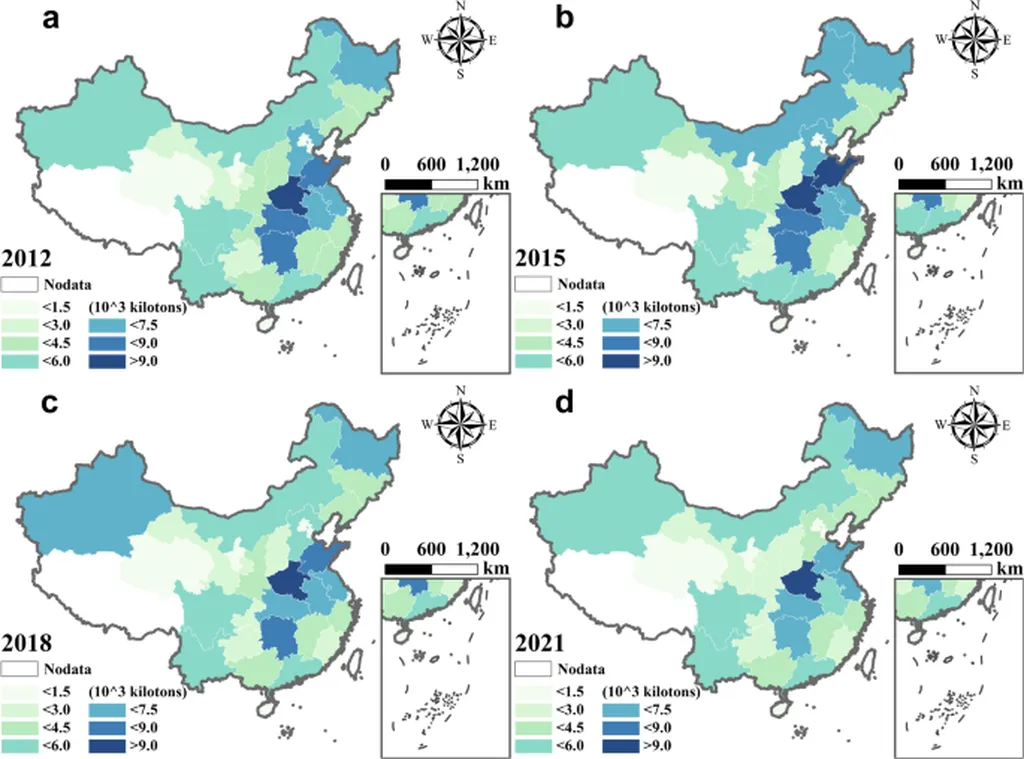
The research also highlighted regional differences, with major grain-producing regions experiencing stronger effects. This heterogeneity underscores the importance of tailored, region-specific policies to maximize the benefits of digital agriculture. “Our findings call for integrated, region-specific policies to harness digital dividends for sustainable agri-food systems,” Niu emphasized.
Perhaps most notably, the study confirmed positive spatial spillover effects. This means that digital agriculture in neighboring regions can also enhance local resilience, creating a ripple effect that benefits entire agricultural ecosystems. This finding has significant implications for regional cooperation and the development of interconnected, resilient agri-food networks.
For the agriculture sector, these insights are a game-changer. The commercial impacts are substantial, with digital technologies offering a pathway to enhanced productivity, reduced risk, and improved sustainability. As climate change continues to pose unprecedented challenges, the adoption of digital agriculture technologies could be the key to securing the future of the agri-food sector.
The study’s findings were published in *Food and Energy Security*, with Ziru Niu serving as the lead author from the School of Human Settlements and Civil Engineering at Xi’an Eurasia University. As the world grapples with the realities of climate change, this research offers a roadmap for building resilient, sustainable agri-food systems that can withstand the challenges ahead. The future of agriculture is digital, and the time to act is now.