
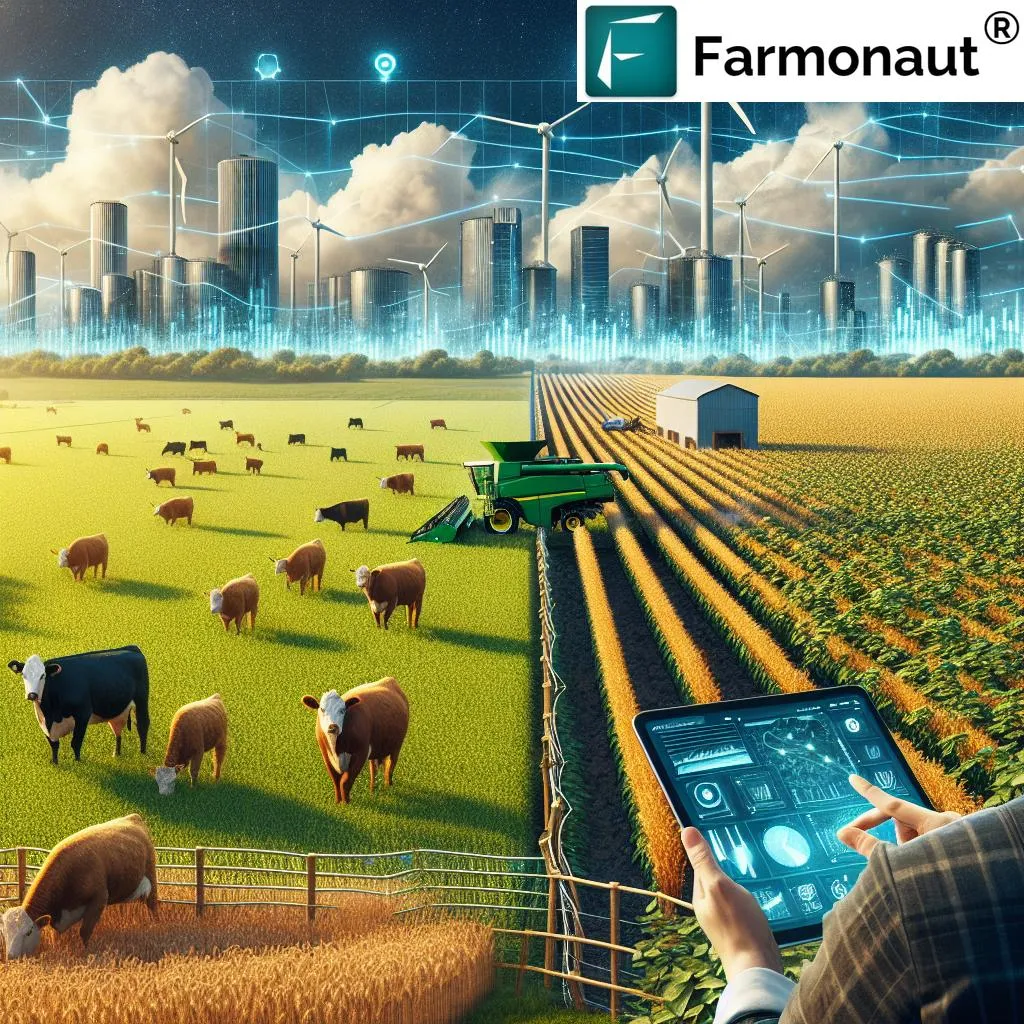
In the ever-evolving landscape of agriculture, the integration of technology into traditional practices is becoming increasingly prevalent. One area that is benefiting from this technological influx is grazing management. However, as any seasoned producer will attest, good grazing management is a time-consuming endeavor.
Two technologies that are gaining traction in the industry and have the potential to save producers time and improve their grazing management are remote water monitoring systems and virtual fencing.
Remote water monitoring systems are not a new concept, but their application in the agricultural sector is relatively recent. These systems use sensors to monitor water levels and quality in real-time, providing producers with immediate alerts if there is an issue. This technology was recently put to the test in a demonstration project, with promising results. The ability to monitor water sources remotely can significantly reduce the time spent on daily checks, allowing producers to focus on other aspects of their operation.
Virtual fencing, on the other hand, is a more novel technology that is now commercially available in Saskatchewan, with one company leading the charge. This innovative system uses GPS and a mobile app to create a “virtual” fence, allowing producers to control their livestock’s grazing area with ease. The system works by setting up a boundary on the app, which the livestock are then trained to recognize. If an animal approaches the boundary, it receives a mild stimulus, deterring it from crossing. This technology has a lot of potential for improving grazing management, as it allows for more flexible and precise control over grazing areas.
There are currently two virtual fencing trials underway in Saskatchewan, one in the north and one on the eastern side of the province. These trials will provide valuable insights into how the technology performs in different environments and will help to determine its suitability for widespread adoption.
The implications of these technologies are significant. By reducing the time spent on routine tasks and providing more precise control over grazing areas, producers can improve the efficiency and sustainability of their operations. Moreover, as these technologies become more commonplace, they could potentially drive down costs and increase accessibility for smaller producers.
In conclusion, while the agricultural industry may be steeped in tradition, the integration of technology into practices like grazing management is a trend that is here to stay. As these technologies continue to evolve and become more accessible, they have the potential to revolutionize the way producers manage their land and livestock.