
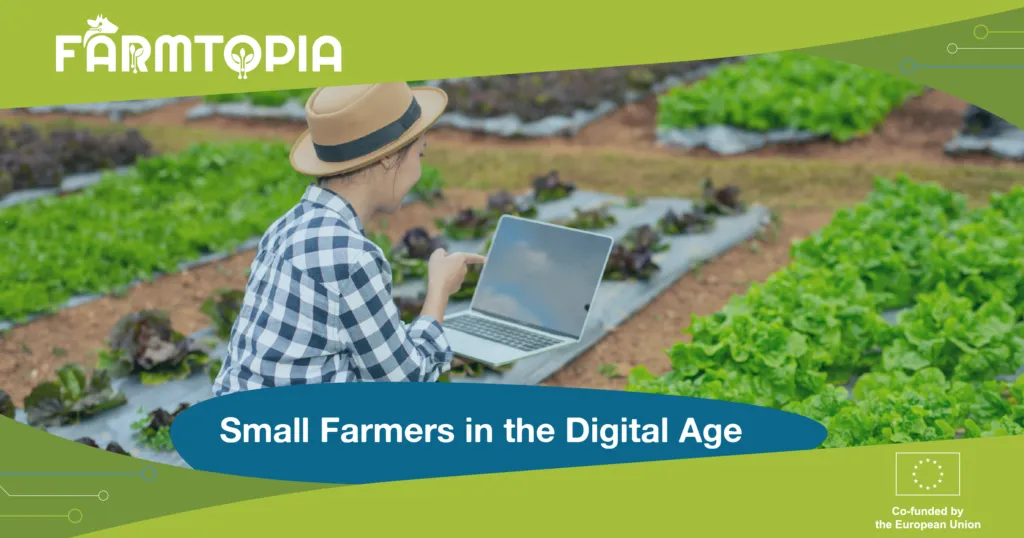
In the heart of Serbia, a quiet revolution is brewing among small farmers, one that could reshape the future of agriculture. A recent study published in *Ekonomika Poljoprivrede (1979)* and led by Tatjana Ilić-Kosanović, an associate professor at University Union – Nikola Tesla in Belgrade, sheds light on the attitudes and readiness of small farmers toward digital transformation in agricultural production. The research, which surveyed 437 farmers across three regions, reveals a significant interest in technologies like Big Data, drones, and artificial intelligence (AI), despite limited practical experience and low levels of digital literacy.
The findings highlight a stark contrast between the potential of these technologies and the current state of adoption. While younger and more educated farmers show a stronger inclination toward embracing these tools, older farmers and those with less education exhibit more caution. “There’s a clear divide based on age and education,” Ilić-Kosanović notes. “Younger farmers are more open to adopting new technologies, which suggests that targeted training and awareness programs could bridge this gap.”
The commercial impacts of this research are profound. As the global agriculture sector increasingly turns to technology to boost productivity and sustainability, small farmers in Serbia and similar regions could find themselves at a competitive disadvantage if they fail to keep pace. The study underscores the importance of strategic government initiatives and training programs to equip farmers with the necessary digital skills. “Government and private sector collaboration is crucial,” Ilić-Kosanović emphasizes. “We need to create an ecosystem where farmers feel supported and empowered to adopt these technologies.”
The research also identifies geographic variations in technological adoption, with farmers in more developed regions showing greater openness to digital tools. This suggests that infrastructure and access to technology play a significant roles in shaping farmers’ perceptions and readiness to adopt new technologies.
Looking ahead, the study’s findings could shape future developments in the field by highlighting the need for tailored approaches to digital transformation in agriculture. Policymakers, agricultural cooperatives, and tech companies could leverage these insights to design more effective programs that cater to the diverse needs of small farmers. “The future of agriculture lies in its ability to adapt and innovate,” Ilić-Kosanović concludes. “By understanding the perceptions and challenges of small farmers, we can create a more inclusive and sustainable agricultural sector.”
As the world grapples with the challenges of feeding a growing population amidst climate change and resource constraints, the insights from this study offer a glimmer of hope. By bridging the digital divide and empowering small farmers with the tools they need to thrive, we can pave the way for a more resilient and productive agricultural future.