
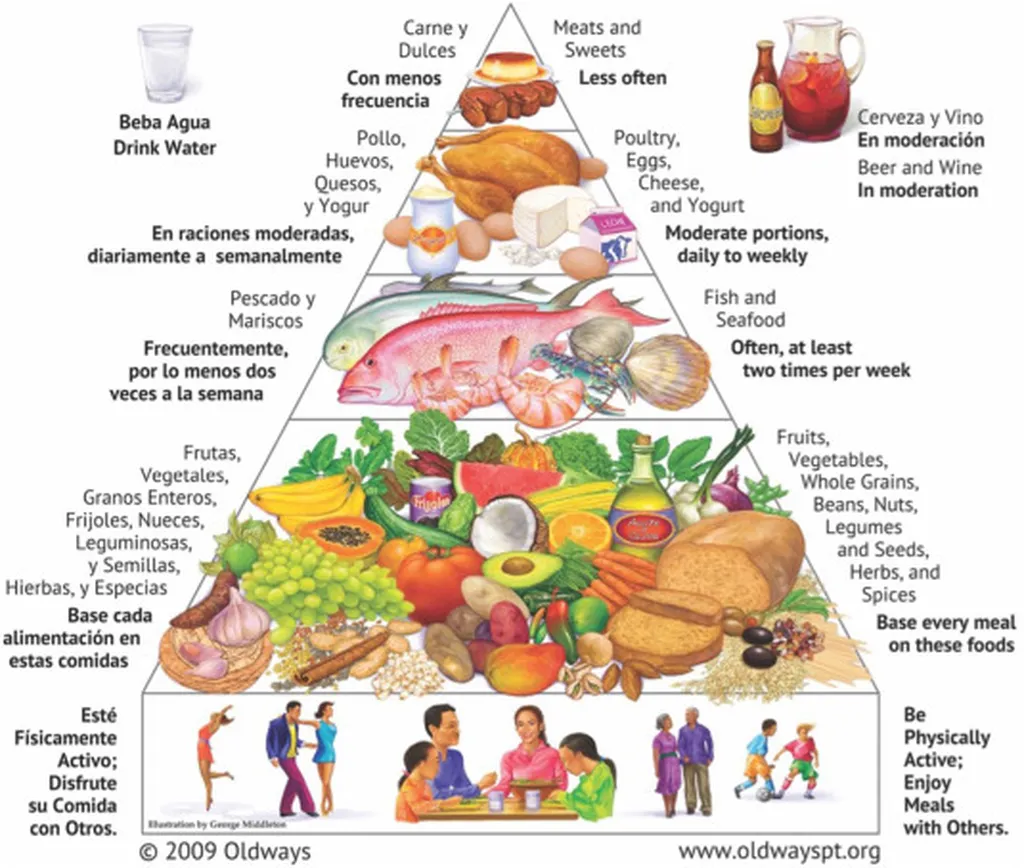
In a region grappling with a complex web of nutritional challenges, a new study offers a beacon of hope for South Asia’s dietary future. Published in *Frontiers in Nutrition*, the research led by Daniele Spadaccini from the University of Piemonte Orientale in Italy, presents a tailored adaptation of the Mediterranean Diet (MD) principles, designed to address the unique cultural, economic, and environmental realities of South Asia.
South Asia, home to nearly 2 billion people, is caught in a paradoxical struggle with malnutrition and rising rates of obesity, type 2 diabetes, and cardiovascular diseases. Traditional diets in the region are often dominated by refined cereals, with low intake of fruits, vegetables, and whole grains, and an imbalanced fat composition. The growing penetration of ultra-processed foods further complicates the scenario.
The study systematically synthesized dietary intake data and contextual barriers to evaluate the transferability of MD principles to South Asia. Unlike broader continental frameworks, the researchers integrated local foods, cultural traditions, and environmental realities to design two region-specific dietary pyramids for vegetarian and non-vegetarian populations.
“Our adapted model emphasizes higher consumption of whole grains, legumes, fruits, and vegetables, the inclusion of affordable high-quality protein sources, and a balanced use of locally available fats,” Spadaccini explained. “We’ve placed sweets and ultra-processed foods at the top of the pyramid with clear limits.”
Beyond nutrient adequacy, the analysis highlights structural barriers, economic affordability, entrenched food traditions, limited nutritional awareness, environmental pressures, and food safety challenges that must be addressed to ensure feasibility. The study underscores the need for policy action, nutrition education, women’s empowerment, climate-smart agriculture, and fortification strategies to enable a sustainable dietary transition.
For the agriculture sector, this research opens up significant commercial opportunities. The emphasis on locally available foods and climate-smart agriculture could drive demand for a diverse range of crops, benefiting smallholder farmers and agribusinesses alike. The shift towards whole grains, legumes, and fruits could spur innovation in processing and value addition, creating new market avenues.
Moreover, the study’s focus on affordable high-quality protein sources could stimulate investments in alternative protein production, such as plant-based proteins and sustainable animal husbandry practices. The growing awareness of the need for balanced fat composition presents opportunities for the edible oil industry to diversify and promote healthier fat options.
The research also highlights the importance of food safety and quality, which could drive investments in food processing technologies and quality control systems. The emphasis on reducing ultra-processed foods could lead to a resurgence of traditional food processing methods, creating opportunities for entrepreneurs and cooperatives.
As Spadaccini noted, “This is not just about changing diets; it’s about transforming food systems to be more sustainable, equitable, and nutritious.” The study’s findings could shape future developments in agriculture, food processing, and nutrition education, paving the way for a healthier and more sustainable South Asia.
The study was published in *Frontiers in Nutrition* and was led by Daniele Spadaccini from the Department of Health Sciences, University of Piemonte Orientale, Novara, Italy. The research’s systematic review registration can be found at https://osf.io/d7j4m/.