
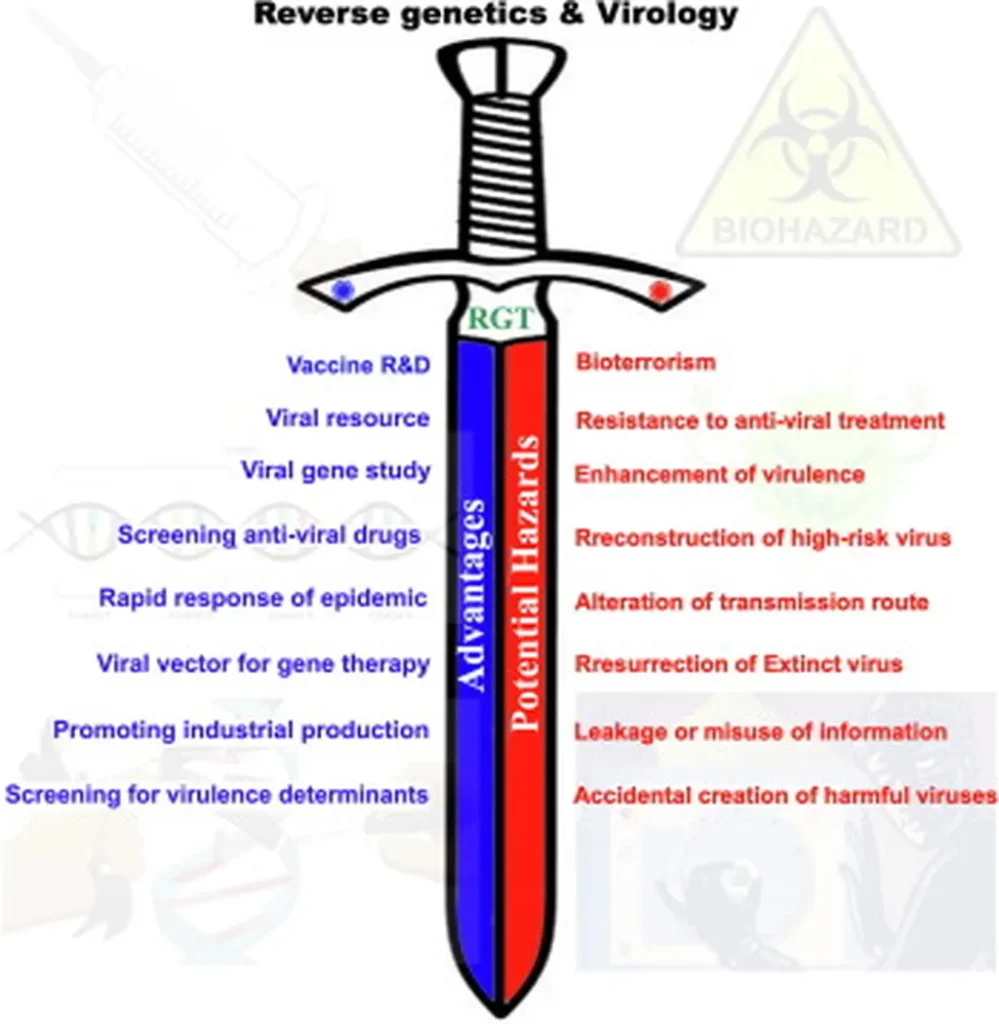
In a groundbreaking study published in *Applied and Environmental Microbiology*, researchers have uncovered a fascinating interplay between viral genes that promote human health and those associated with pathogenicity. Led by Min Qian of the State Key Laboratory of Soil and Sustainable Agriculture at the Chinese Academy of Sciences, the research delves into the global distribution and functional characteristics of these genes, shedding light on their coexistence and potential implications for human health and agriculture.
Viruses, often perceived as mere pathogens, are now recognized as complex entities that can harbor genes beneficial to their hosts. The study identified 4,556 viruses carrying health-associated genes across eight habitat types spanning 13 regions and 76 countries. Among these, viruses found in humans accounted for the highest proportion, highlighting the extensive gene exchange between viruses and their hosts.
“The coexistence of health-associated and pathogenic genes in viral genomes is a double-edged sword,” Qian explained. “While some genes can confer benefits, others can pose risks, making the study of these interactions crucial for understanding viral impacts on human health and agriculture.”
The health-associated genes identified include BCO1, bioB, COQ2, GPX1, GSTs, GSTT1, GULO, and menA, which not only play roles in human health but also function as auxiliary metabolic genes in viral genomes. Notably, the study found four pathogenic genes coexisting with these health-associated genes, indicating potential functional interactions.
One of the most intriguing findings was the experimental transduction of the viral bioB gene into Escherichia coli, which altered the expression of host pathogenic genes GCH1 and UGDH. This supports the idea of cross-regulatory interactions between viral and host genes, opening new avenues for exploring viral roles in microbial ecology and biotechnology.
For the agriculture sector, these findings could have significant commercial impacts. Understanding the coexistence of beneficial and pathogenic genes in viruses could lead to the development of novel biotechnological applications, such as enhancing crop resistance to diseases or improving soil health through targeted viral interventions.
“This research provides a new lens through which we can view the complex relationships between viruses and their hosts,” Qian added. “By incorporating health-associated genes into viral genomics, we can better understand virus-host coevolution and harness this knowledge for practical applications in agriculture and human health.”
The study’s insights into the dual genetic potential of viruses highlight their role as multifaceted reservoirs of both beneficial and harmful genes. As we continue to explore the intricate web of interactions between viruses and their hosts, the potential for innovative solutions in agriculture and human health becomes increasingly apparent. This research not only advances our understanding of viral functional diversity but also paves the way for future developments in biotechnology and microbial ecology.