
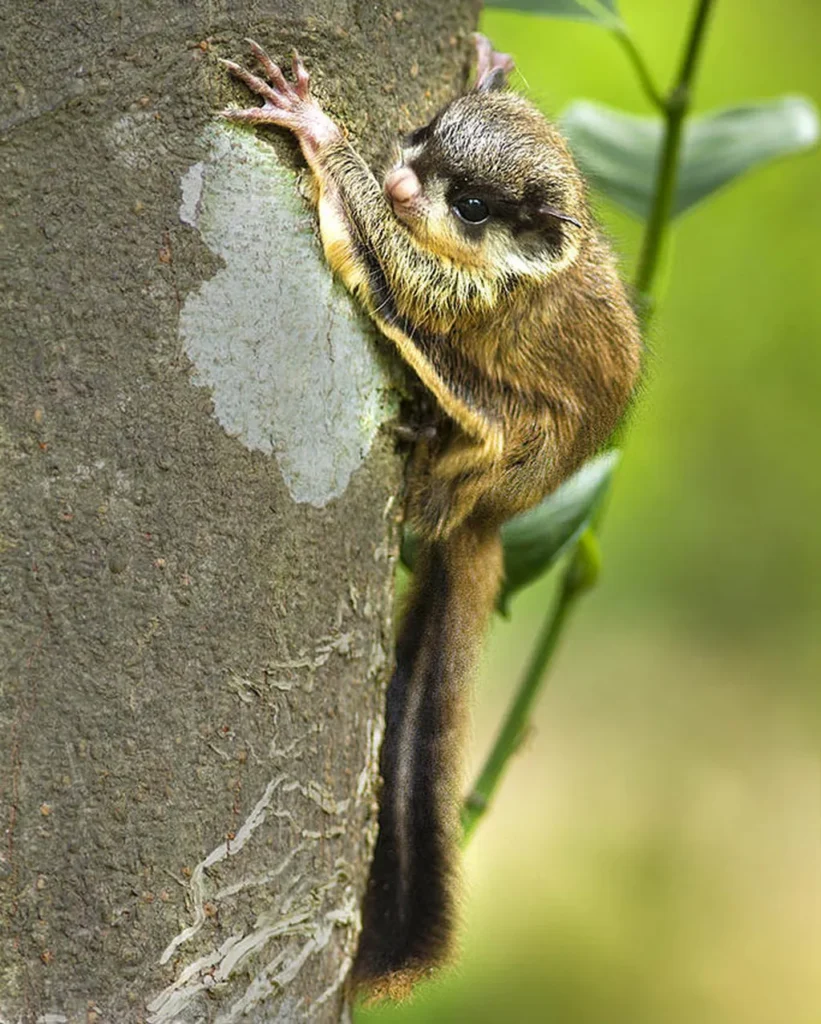
In a world where climate change is reshaping ecosystems at an unprecedented pace, two species of palm squirrels in India are emerging as both beneficiaries and potential agricultural nuisances. A recent study published in the journal *Biology* sheds light on the expanding habitats of the five-striped northern palm squirrel (*Funambulus pennantii*) and the three-striped palm squirrel (*Funambulus palmarum*), and their growing overlap with agricultural zones. The research, led by Imon Abedin from the Wildlife Ecology Lab at Bodoland University, highlights the need for proactive management strategies to mitigate potential conflicts and crop losses.
Using ensemble species distribution models, the study identified the current and future climatic niches of these two squirrel species. Under current climatic conditions, *F. pennantii* occupies a suitable habitat of 215,748 km², while *F. palmarum* inhabits 39,578 km². However, the projections for the future paint a different picture. By the end of the century, the suitable habitat for *F. pennantii* is expected to increase by about 20.6%, and for *F. palmarum* by a staggering 48.1%. This expansion is not just a wildlife concern but a significant threat to agriculture, as the overlap between squirrel habitats and agricultural zones is projected to rise by up to 45% and 48%, respectively.
The most substantial expansions are expected in the Gangetic Plains, Central Highlands, and parts of the Western and Eastern Ghats and Deccan Plateau. These regions are critical for India’s agricultural output, making the findings particularly alarming for farmers and policymakers. “The resilience of these squirrel species to environmental changes is remarkable, but it comes at a cost,” Abedin noted. “Their adaptability allows them to thrive in diverse habitats, but it also increases the risk of crop damage and human-squirrel conflicts.”
The study underscores the need for ecologically sustainable management strategies to mitigate these risks. As climate change continues to alter ecosystems, the agricultural sector must prepare for increased interactions with these adaptable rodents. The findings offer a foundation for targeted regional interventions, which could include habitat modification, pest control measures, and community education programs.
The research also opens avenues for further exploration into the ecological and economic impacts of climate-driven habitat shifts. Understanding the behavior and adaptability of these squirrel species could provide insights into broader wildlife management strategies. “This study is just the beginning,” Abedin added. “We need to delve deeper into the ecological dynamics and develop innovative solutions to coexist with these species without compromising agricultural productivity.”
As the world grapples with the consequences of climate change, studies like this one are crucial for shaping future developments in wildlife management and agriculture. The findings serve as a wake-up call for the agricultural sector to adopt proactive measures and ensure sustainable coexistence with the ever-adapting wildlife.