
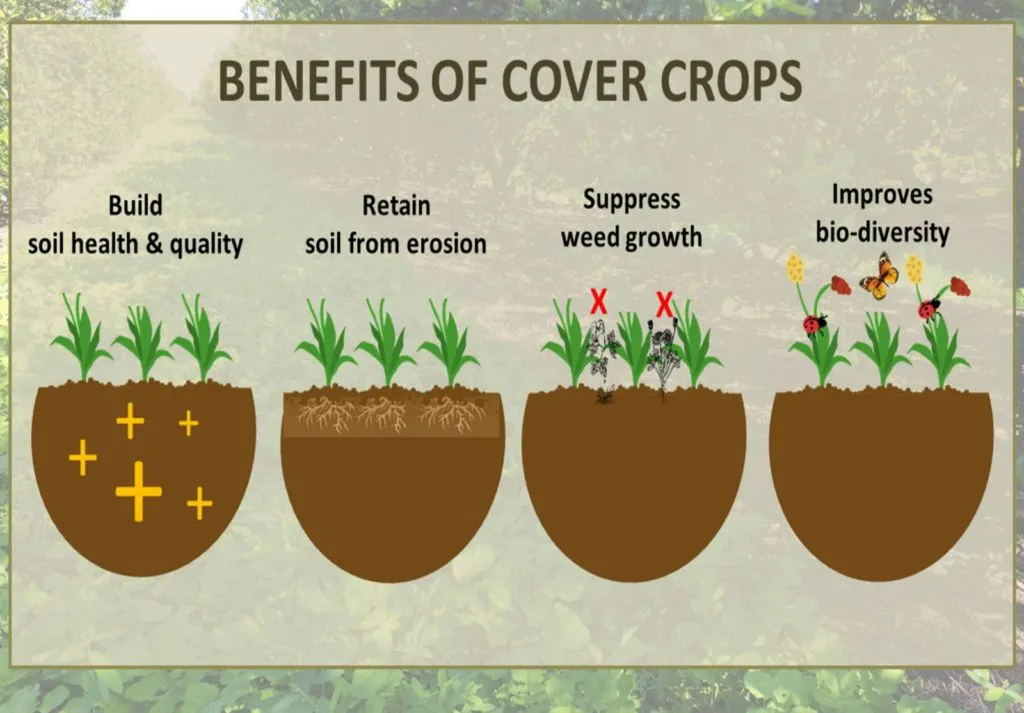
In the quest for sustainable agriculture, cover cropping has emerged as a powerful tool, and a comprehensive systematic review published in *Agronomy* sheds new light on its potential to transform soil health and crop yields. Led by Monsuru A. Salisu of the College of Agriculture, Food, and Natural Resources Research (CAFNR Research) at Prairie View A&M University, the study synthesizes findings from 38 peer-reviewed studies to evaluate the impact of cover cropping on soil organic carbon (SOC), soil quality, and crop productivity.
The review reveals that cover cropping can significantly enhance SOC by 5–30%, with the most substantial improvements observed in long-term, multi-species cover crop mixtures. “More than 80% of the literature reported benefits,” notes Salisu, highlighting the widespread positive impact of this practice. The study found that 87% of the studies demonstrated improved soil quality, while 55% showed enhanced crop yields. These findings underscore the potential of cover cropping to boost agricultural productivity while promoting sustainable soil management.
However, the benefits are not universal. Some studies reported yield reductions in drought-prone regions or when cover crops were terminated at inappropriate times. This variability emphasizes the need for region-specific strategies and targeted agricultural policies. “Although outcomes vary by context, cover crops are widely recognized as a viable strategy for climate-smart agriculture and sustainable soil management,” Salisu explains.
The review also highlights the importance of species diversity and long-term adoption for achieving reliable results. Improvements in microbial function and nutrient cycling were observed in several studies, particularly in the United States, where research often focused on physical and biological indicators under dryland conditions. These insights offer crucial guidance for evidence-based policy development and region-specific cover cropping strategies.
For the agriculture sector, the implications are profound. Cover cropping represents a key strategy for climate change mitigation and sustainable soil management, offering a pathway to enhance agroecosystem resilience and carbon sequestration. By adopting cover cropping practices, farmers can improve soil health, increase yields, and contribute to a more sustainable future.
As the agricultural industry grapples with the challenges of climate change and soil degradation, this research provides a roadmap for integrating cover cropping into sustainable farming systems. With region-specific incentives and standardized agronomic guidelines, cover cropping can become a cornerstone of climate-smart agriculture, driving innovation and resilience in the face of global environmental challenges.