
In the ever-evolving landscape of agricultural biotechnology, a groundbreaking study published in the journal *Biology* is poised to revolutionize the way we think about rice cultivation and its potential applications. The research, led by Muhammad Zubair from the State Key Laboratory of Rice Biology and Breeding at the China National Rice Research Institute, delves into the genetic regulation and breeding applications of medium-chain fatty acids (MCFAs) in rice. This work could pave the way for enhanced nutritional quality and sustainable agricultural practices.
Medium-chain fatty acids, which range from 6 to 12 carbon atoms in length, have garnered significant attention for their metabolic benefits and diverse applications in health, agriculture, and industry. Unlike long-chain fatty acids, MCFAs are more easily metabolized by the body, offering potential therapeutic effects for metabolic disorders such as obesity, diabetes, and neuro-triglycerides. “The unique properties of MCFAs make them a valuable target for enhancing the nutritional profile of rice,” explains Zubair. “By altering the expression of genes involved in fatty acid biosynthesis, we can create rice varieties that are not only healthier but also more versatile in their applications.”
Rice, one of the most widely consumed starchy crops globally, has traditionally been valued for its carbohydrate content. However, the development of new varieties with lower starch levels and enriched lipid profiles could transform rice into a powerhouse of nutritional benefits. “The potential to enhance the fatty acid content in rice without compromising yield or other agronomic traits is a game-changer,” notes Zubair. “This opens up new possibilities for both human consumption and industrial applications, such as biofuel production.”
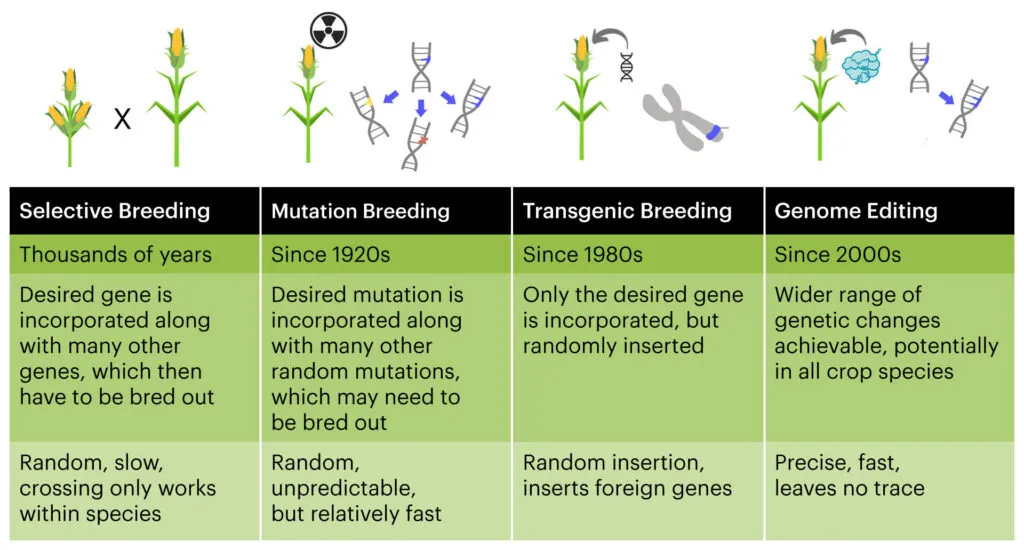
The study highlights the use of advanced genetic and breeding techniques, including CRISPR/Cas9 and marker-assisted selection (MAS), to modify the expression of genes involved in MCFA biosynthesis. These technologies enable precise genetic edits that enhance the fatty acid content in rice varieties while maintaining their overall productivity. “The integration of these cutting-edge technologies allows us to fine-tune the genetic makeup of rice to meet specific nutritional and industrial needs,” Zubair adds. “This is a significant step forward in the field of crop biotechnology.”
The implications of this research extend beyond the agricultural sector. Enhanced MCFA production in rice could lead to improved human nutrition, offering a more balanced and healthful diet for millions of people worldwide. Additionally, the development of rice varieties with better lipid profiles could contribute to the production of sustainable biofuels, reducing our reliance on fossil fuels and promoting environmental sustainability.
As the agricultural industry continues to evolve, the insights gained from this study could shape future developments in crop breeding and genetic regulation. The ability to manipulate fatty acid biosynthesis in rice not only enhances its nutritional value but also opens up new avenues for industrial applications. “This research represents a significant advancement in our understanding of MCFA metabolism and its potential applications,” Zubair concludes. “It is a testament to the power of modern biotechnology in addressing global challenges in agriculture and human health.”
With the continued progress in genetic and breeding technologies, the future of rice cultivation looks brighter than ever. The work of Muhammad Zubair and his team at the State Key Laboratory of Rice Biology and Breeding serves as a beacon of innovation, driving the agricultural sector towards a more sustainable and nutritious future.