
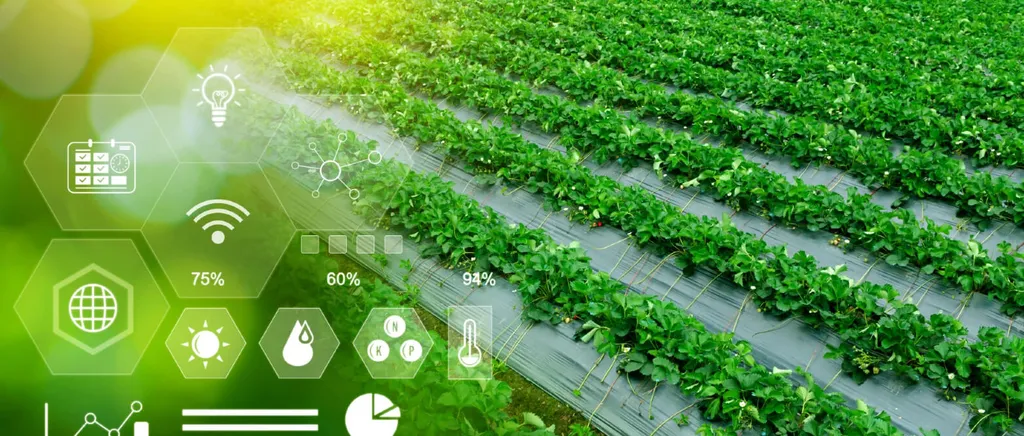
In the heart of modern agriculture, a silent revolution is taking place, driven by the rapid evolution of phenotyping systems. These technologies, which measure the physical characteristics of plants, are propelling innovations in plant breeding, crop management, and precision agriculture. A recent review published in the Turkish Journal of Agricultural Engineering Research, led by Rizwan Ul Zama Banday from the Kashmir University of Agricultural Sciences and Technology of Kashmir, India, provides a comprehensive analysis of these systems, exploring their current status, technological advancements, challenges, and future directions.
The review highlights the significant shift from traditional phenotyping methods to high-throughput phenotyping (HTP) systems. These advanced systems utilize a range of technologies, including visible, infrared, hyperspectral, and thermal imaging, as well as sensors like LIDAR and NIR. Coupled with data analytics, drones, and automated platforms, these tools enable rapid, non-invasive collection of phenotypic information. This acceleration in data collection is significantly hastening breeding programs and improving stress tolerance studies.
“The integration of big data, artificial intelligence (AI), and machine learning (ML) has enhanced data management and interpretation, enabling the development of predictive models and real-time decision-making tools,” Banday explains. This integration is not just a technological leap; it’s a game-changer for the agriculture sector. Farmers and agronomists can now make data-driven decisions, optimizing resource use and improving crop yields.
However, the path to widespread adoption is not without challenges. Technical issues such as data accuracy, resolution, and consistency, along with economic concerns related to the high cost of implementation, limit the adoption of these advanced phenotyping technologies, especially among smallholder farmers. Moreover, integrating these technologies with traditional farming practices and handling large datasets raise concerns about data privacy, ownership, and interpretation.
Looking ahead, the future of phenotyping lies in advancements such as the integration of AI and genomics, enabling more precise breeding through the linking of genetic information with phenotypic traits. “The development of low-cost systems is essential to democratize access to precision agriculture, particularly in developing regions,” Banday emphasizes. This democratization could revolutionize agriculture in these regions, enhancing food security and promoting sustainable practices.
As phenotyping systems continue to advance, they will play a critical role in promoting sustainable agriculture, enhancing resource efficiency, and addressing global climate change. The insights from this review not only shed light on the current landscape but also pave the way for future developments in the field. For the agriculture sector, the implications are profound, promising a future where technology and tradition converge to create a more sustainable and productive agricultural landscape.