
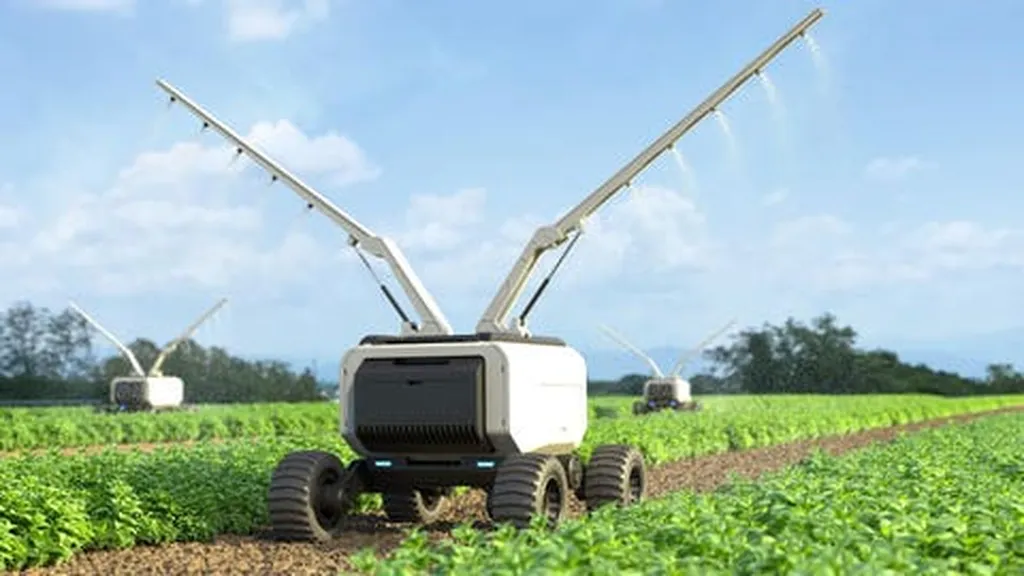
In the heart of West Java, Indonesia, a novel approach to agricultural water management is taking root, promising to revolutionize the way farmers tend to their crops. This innovation, a smart irrigation system powered by soil moisture sensors and photovoltaic energy, is not just a technological marvel but a beacon of hope for sustainable and efficient farming practices, especially in remote areas.
The system, as detailed in a recent study published in *Engineering Proceedings* and led by Abdul Rasyid Sidik from the Department of Electrical Engineering at Nusa Putra University, leverages the power of the sun to operate water pumps and uses real-time data from soil moisture sensors to automate irrigation. This ensures that crops receive the exact amount of water they need, when they need it, thereby optimizing water and energy use.
“This technology is a game-changer for the agricultural sector,” Sidik explains. “It not only increases the efficiency of water and energy use but also supports environmental conservation by reducing dependence on fossil fuels.”
The study, conducted using a Systematic Literature Review (SLR) approach guided by the PRISMA framework, analyzed trends, benefits, and challenges in implementing this technology. The results are promising. The system offers various advantages, including energy efficiency, reduced carbon emissions, and ease of management through the integration of Internet of Things (IoT) technology.
However, the path to widespread adoption is not without its hurdles. High initial investment costs, limited network access, and technical matters related to installation and maintenance are some of the challenges that need to be addressed. Sidik and his team propose several solutions, including providing subsidies for small farmers, implementing radiofrequency modules, and using modular designs to simplify implementation.
The commercial impacts of this research are significant. By reducing water and energy waste, farmers can lower their operational costs, leading to increased profitability. Moreover, the reduced dependence on fossil fuels aligns with global efforts towards sustainability, potentially opening up new markets and opportunities for farmers who adopt this technology.
Looking ahead, the integration of artificial intelligence and additional sensors could further enhance the efficiency of this system. “We envision a future where smart irrigation systems are not just a tool for water management but a cornerstone of sustainable agriculture,” Sidik says.
As the world grapples with the challenges of climate change and resource depletion, innovations like this one offer a glimmer of hope. They remind us that technology, when harnessed wisely, can be a powerful ally in our quest for a sustainable future. And in the fields of West Java, that future is already taking root.