
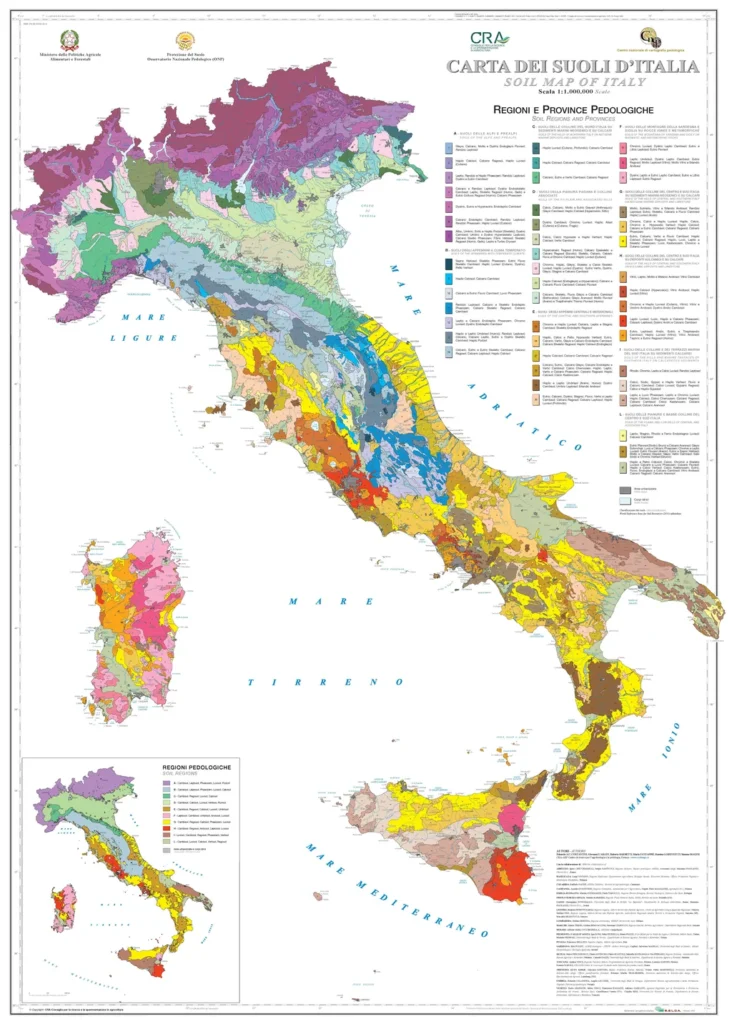
In the heart of Italy, a groundbreaking study is reshaping how farmers tackle one of the most persistent challenges in legume cultivation: Fusarium wilt. Led by Giancarlo Pagnani from the University of Teramo, this research delves into the intricate relationships between soil properties, disease incidence, and yield variability, offering a beacon of hope for precision agriculture.
Fusarium wilt, caused by the pathogen *Fusarium oxysporum*, has long been a thorn in the side of farmers, leading to severe yield losses worldwide. The study, published in *Agronomy*, conducted two field experiments over different growing seasons, utilizing synthetic images of bare soil and clusters to delineate management unit zones (MUZs). This innovative approach allowed researchers to map disease and yield variability with unprecedented precision.
The findings were striking. MUZ-3, characterized by lower organic carbon content and higher sand content, consistently exhibited the highest incidence and severity of Fusarium wilt. In contrast, MUZ-1, richer in clay and organic carbon, supported healthier plant growth and higher productivity. “The integration of vegetation indices with field data proved effective in detecting spatial variability, allowing the delimitation of productivity zones,” Pagnani noted. This spatial mapping is a game-changer for farmers, enabling them to adopt site-specific management strategies that can mitigate Fusarium-related yield losses.
The commercial implications of this research are profound. By understanding the spatial variability of soil properties and disease incidence, farmers can optimize their resource allocation, applying treatments only where they are needed most. This not only reduces input costs but also minimizes environmental impact. “Precision agriculture is not just about increasing yields; it’s about sustainability and efficiency,” Pagnani emphasized. This approach can lead to more sustainable farming practices, reducing the overuse of pesticides and fertilizers.
The study also highlights the importance of integrating remote sensing technologies with traditional field observations. Vegetation indices, such as NDVI and PRI derived from Sentinel-2 images, provided crucial data that, when combined with field observations, offered a comprehensive picture of the farm’s health. This integration of technology and traditional methods is a testament to the evolving landscape of modern agriculture.
Looking ahead, this research paves the way for future developments in precision agriculture. As technology advances, the ability to collect and analyze data will only improve, allowing for even more targeted and effective management strategies. Farmers can expect to see tools that provide real-time data on soil health, disease incidence, and yield potential, enabling them to make informed decisions that maximize productivity and sustainability.
In the words of Pagnani, “The future of agriculture lies in our ability to adapt and innovate. By harnessing the power of technology and data, we can create a more resilient and sustainable farming system.” This study is a significant step in that direction, offering valuable insights and tools that can help farmers navigate the challenges posed by Fusarium wilt and other soil-related issues.
As the agricultural sector continues to evolve, the integration of precision agriculture techniques will be crucial in meeting the growing demand for food while minimizing environmental impact. This research, led by Giancarlo Pagnani from the Department of Bioscience and Technologies for Food, Agriculture and Environment at the University of Teramo, is a testament to the power of innovation and collaboration in driving agricultural progress.