
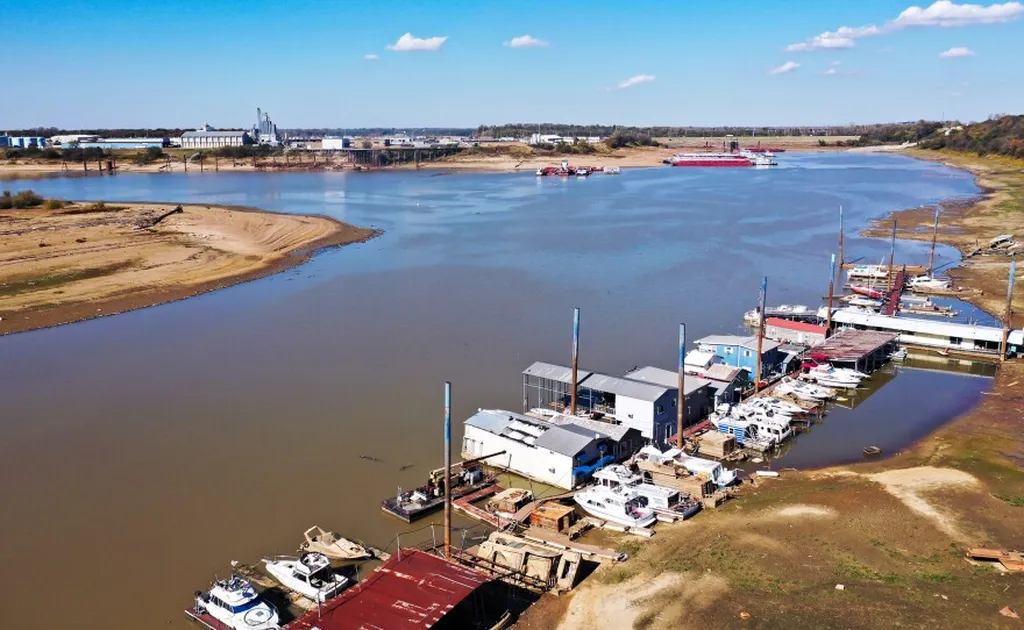
In the heart of the Mississippi River Basin, a silent transformation is underway, one that could reshape how we understand and manage water quality in agricultural landscapes. A recent study published in *Agrosystems, Geosciences & Environment* delves into the intricacies of monitoring surface runoff water quality and quantity in bottomland hardwood forests (BHF), offering insights that could have significant commercial impacts for the agriculture sector.
The Mississippi River Basin, a vital agricultural hub, has undergone extensive alterations over the years, including the construction of levees, channelization, and conversion to agricultural land. These changes have disrupted the natural hydrology of BHF wetlands, which historically played a crucial role in water purification and flood control. As awareness of sediment and nutrient pollution grows, so does the need for effective water quality monitoring and wetland restoration.
Leighia Eggett, lead author of the study and a researcher at the Department of Plant and Soil Sciences at the University of Kentucky, explains, “Traditional water quality monitoring methods, while effective in many contexts, often fall short in the complex, bidirectional flow conditions typical of BHF wetlands.” This complexity has necessitated the development of modified monitoring systems, such as the Edge-of-Field (EOF) Water Quality Monitoring Activity, which employs non-contact measurement sensors and laser Doppler velocimeters to accurately measure water flow and quality.
The study highlights the importance of these advanced monitoring systems in providing real-time data that can inform agricultural practices and policy decisions. “By understanding the dynamics of water flow and quality in these ecosystems, we can better manage agricultural runoff and mitigate its impact on downstream water bodies,” Eggett notes.
The commercial implications of this research are substantial. Improved water quality monitoring can lead to more efficient use of fertilizers and pesticides, reducing input costs for farmers while minimizing environmental impact. Additionally, the data collected can support the development of targeted conservation programs, such as the USDA’s Agricultural Conservation Easement Program and Environmental Quality Incentive Program, which aim to restore wetlands and improve water quality.
Looking ahead, the study underscores the need for further research into alternative instrumentation and monitoring techniques tailored to the unique hydrology of BHF wetlands. As Eggett puts it, “The future of water quality management in these ecosystems lies in our ability to adapt and innovate, developing tools that can keep pace with the complexities of natural systems.”
In the ever-evolving landscape of agricultural technology, this research serves as a reminder of the critical role that science plays in shaping sustainable practices. By embracing these advancements, the agriculture sector can not only enhance its productivity but also contribute to the preservation of vital ecosystems for generations to come.