
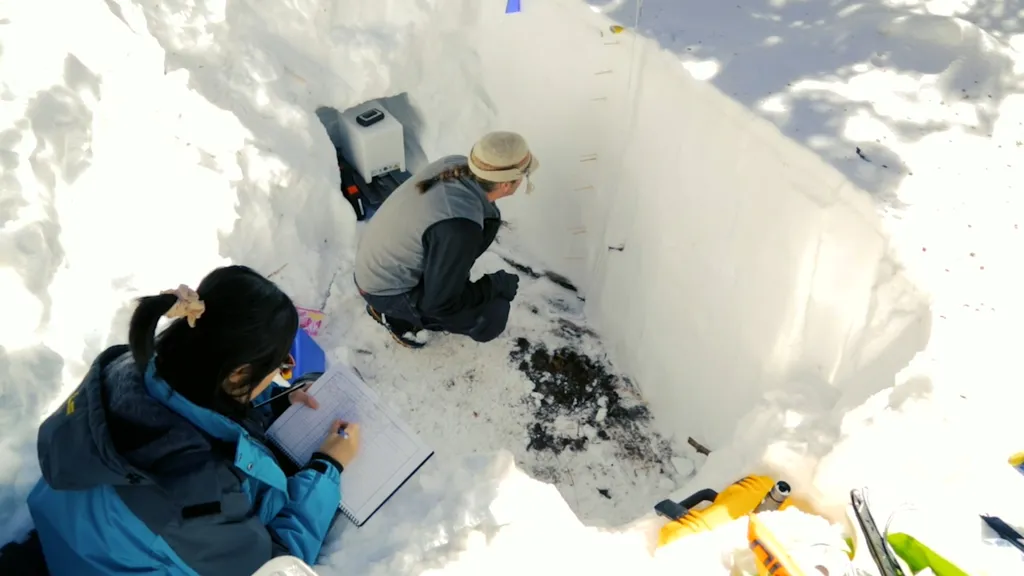
In the heart of Boulder, Colorado, a gathering of minds took place that could reshape how we understand and utilize one of Earth’s most critical resources: snow. The NASA Terrestrial Hydrology Program (THP) Community Snow Meeting, held in August 2024, brought together over 200 in-person and virtual attendees to discuss the latest advancements and challenges in snow research. The insights shared at this meeting, published in the journal *Earth’s Future*, could have significant implications for agriculture and other sectors that rely on snowmelt for water resources.
Snow is more than just a picturesque landscape feature; it plays a crucial role in the global climate system and serves as a vital water source for agriculture, industry, and domestic use. The past decade has seen substantial progress in snow-focused research, leading to new measurement instruments, operational models, and even proposals for satellite missions to monitor snowpack from space. However, despite these advancements, there are still gaps in our understanding and capabilities.
One of the key challenges discussed at the meeting was the uncertainty in the performance of current snowpack observation systems. “We have made significant strides, but there are still shortcomings in each system,” noted Kate Hale, lead author of the study and a researcher at the University of British Columbia. This uncertainty can have profound implications for agriculture, where accurate snowmelt forecasts are essential for water management and crop planning.
The meeting also highlighted the importance of international collaboration and multi-year field campaigns, such as NASA’s SnowEx, in advancing our knowledge of snowpack dynamics. These efforts are crucial for developing more accurate models and forecasts, which can help farmers and water managers make informed decisions.
Looking ahead, the snow community is focused on identifying the next actionable steps toward improved, global-scale snow monitoring. This includes advancing mission proposals, enhancing synergies across different observation methods, and filling knowledge gaps. The insights from the Community Snow Meeting are intended to support ongoing and future pathways toward the next decade of snow research and development.
For the agriculture sector, the implications are significant. Better snowpack monitoring and forecasting can lead to more efficient water use, improved crop yields, and enhanced resilience to climate variability. As the global population grows and climate change alters snowfall patterns, the need for accurate and reliable snow data becomes ever more critical.
The research published in *Earth’s Future*, led by Kate Hale from the Department of Geography at the University of British Columbia, underscores the importance of continued investment and innovation in snow science. By addressing the current shortcomings and leveraging new technologies, the snow community aims to provide the data and tools needed to support climate and human purposes well into the future.