
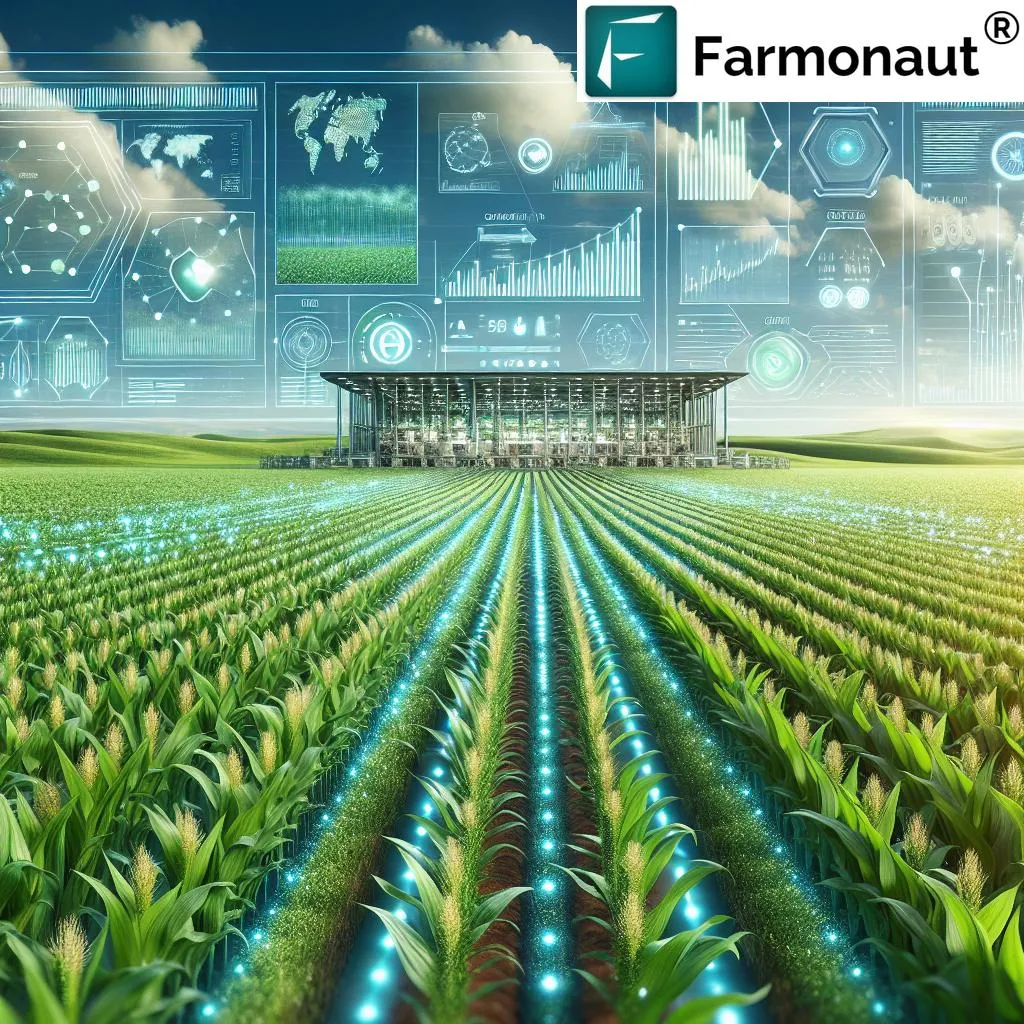
In the ever-evolving landscape of precision agriculture, a trio of technologies is emerging as a game-changer: Wireless Sensor Networks (WSNs), Unmanned Aerial Vehicles (UAVs), and the Internet of Things (IoT). A comprehensive review published in ‘IET Wireless Sensor Systems’ sheds light on how these technologies are reshaping modern farming, offering data-driven insights that enhance crop yields, optimize resource use, and minimize environmental impact.
The review, led by Nada M. Khalil Al‐Ani from the Middle Technical University’s Electrical Engineering Technical College in Baghdad, Iraq, delves into the current developments, challenges, and complementary advantages of WSNs, UAVs, and IoT in agriculture. The analysis spans from 2019 to 2025, providing a forward-looking perspective on the future of farming.
WSNs form the backbone of this technological trio, enabling real-time monitoring of soil moisture, temperature, and other critical parameters. “The weaknesses of WSN deployment, such as power consumption and coverage, are significant challenges that need to be addressed,” Al‐Ani notes. Despite these hurdles, WSNs offer unparalleled insights into crop health and environmental conditions, paving the way for more informed decision-making.
UAVs, or drones, play a pivotal role in crop monitoring, irrigation, pest detection, and resource optimization. Equipped with advanced sensing and data analytics algorithms, these aerial vehicles provide a bird’s-eye view of farmlands, identifying areas that require attention. However, challenges such as short flight duration and energy consumption remain, highlighting the need for further innovation in this field.
The IoT framework ties these technologies together, facilitating real-time monitoring, automated controls, and smart decision-making. By integrating WSNs and UAVs with IoT, farmers can access a wealth of data that enhances monitoring quality, data accuracy, and resource utilization.
The commercial impacts of these technologies on the agriculture sector are profound. Farmers can expect increased productivity, sustainability, and environmental friendliness, all of which contribute to a more profitable and resilient farming industry. However, barriers such as energy consumption, connectivity differences, complexity of data, and costs must be overcome to fully realize the potential of these technologies.
As the agriculture sector continues to evolve, the integration of WSNs, UAVs, and IoT offers a promising direction for precision agriculture. By addressing the identified challenges, farmers and agritech developers can harness the full potential of these technologies, shaping a future where data-driven farming practices are the norm. The review by Al‐Ani and her team serves as a crucial stepping stone in this journey, providing valuable insights that will drive future developments in the field.