
In the shadow of the world’s most fertile crop hotspots, there lies a vast expanse of marginal agricultural lands that have long been overlooked. These lands, often characterized by poor soil quality, limited rainfall, and steep slopes, are home to millions of smallholder farmers, particularly in developing countries. Yet, these farmers are disproportionately affected by food insecurity and malnutrition, relying heavily on these challenging lands for their livelihoods. A new perspective published in *Modern Agriculture* by lead author Tong Wei of BGI Research Wuhan, China, sheds light on the critical role these marginal lands play in global food security and the urgent need for sustainable solutions.
Marginal agricultural lands pose significant challenges, including low yields, high input costs, and environmental degradation. Despite these hurdles, the potential of these lands remains largely untapped. “There are suitable technologies for almost every marginal land, but not many have used the appropriate technologies to harness this potential in a sustainable manner,” Wei explains. This gap presents a unique opportunity for innovation and investment in the agriculture sector.
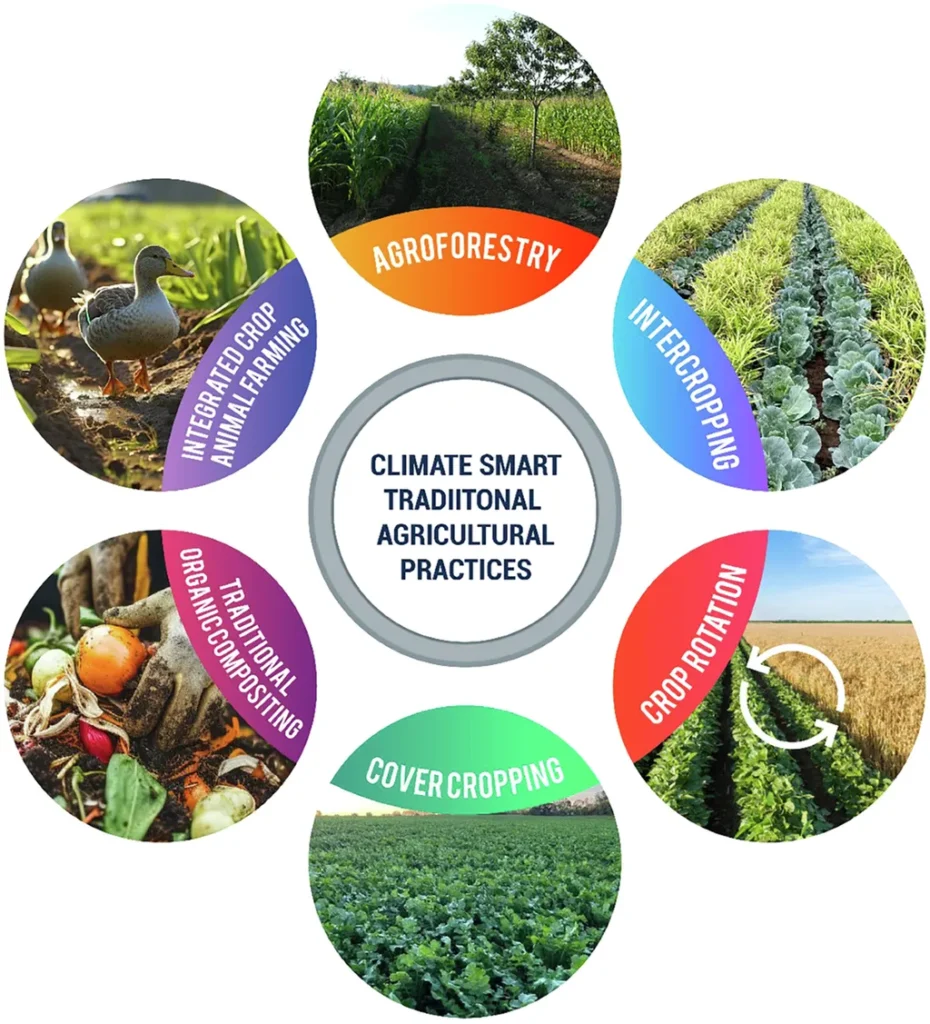
The perspective highlights several emerging opportunities to boost both productivity and sustainability in marginal lands. Innovations in agricultural technologies, such as precision farming and drought-resistant crop varieties, could revolutionize the way these lands are cultivated. The cultivation of alternative crops, such as quinoa and millet, which are better suited to harsh conditions, could also provide a viable solution. Additionally, climate change adaptation strategies and incentives for sustainable practices could transform these marginal areas into productive agricultural landscapes.
The commercial impacts of these developments could be substantial. By improving the productivity of marginal lands, farmers could increase their yields and income, thereby enhancing their livelihoods and contributing to global food security. Moreover, the adoption of sustainable practices could reduce environmental degradation and mitigate the impacts of climate change, creating a more resilient and sustainable agriculture sector.
Realizing this potential, however, requires coordinated efforts from policymakers, researchers, plant breeders, farmers, and consumers. “By tackling these challenges, we can improve smallholder livelihoods and make meaningful contributions towards global food security and sustainable development goals,” Wei emphasizes.
The research by Wei and colleagues serves as a call to action for the agriculture sector to recognize the untapped potential of marginal lands and invest in sustainable solutions. As the world’s population continues to grow, the need for innovative and sustainable agricultural practices becomes increasingly urgent. By focusing on these overlooked lands, we can take a significant step towards achieving global food security and sustainable development.