
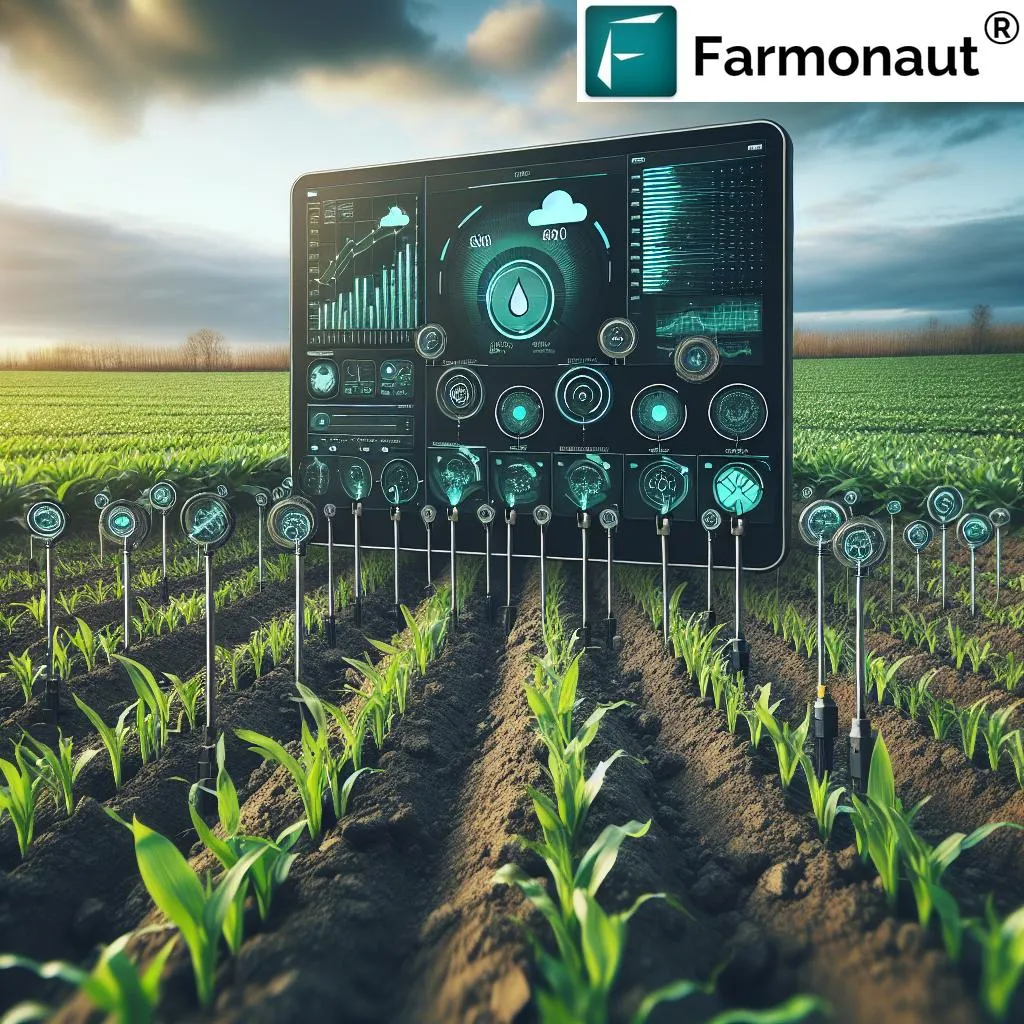
In the face of climate change, agriculture is under pressure to adapt and innovate. A recent review published in the *Journal of Oasis Agriculture and Sustainable Development* sheds light on how the Internet of Things (IoT) is revolutionizing plant monitoring, offering a lifeline to farmers grappling with unpredictable weather patterns and resource scarcity. The study, led by Marwa Zouari of the University of Carthage’s National Research Institute of Rural Engineering, explores how IoT technologies can enhance crop resilience and productivity.
The review highlights the transformative potential of IoT in agriculture, where real-time data collection and analysis are becoming indispensable. “IoT-based monitoring systems provide a data-driven framework that allows farmers to make informed decisions,” Zouari explains. By deploying sensors to track soil moisture, nutrient levels, and plant health, farmers can optimize irrigation and fertilization, significantly reducing waste and improving efficiency. The study notes that IoT implementation can boost irrigation efficiency by up to 30% and cut fertilizer use by nearly 20%, offering substantial economic and environmental benefits.
One of the key challenges highlighted in the review is the high cost of deploying IoT systems, particularly in rural areas where infrastructure may be lacking. “While the benefits are clear, the initial investment can be a barrier for many farmers,” Zouari acknowledges. Additionally, inconsistent connectivity and complex data management requirements pose significant hurdles. However, the study identifies promising research priorities, including the development of low-cost, energy-efficient sensors and interoperable data systems, which could drive wider adoption.
The integration of artificial intelligence (AI) with IoT is another exciting frontier. AI-driven decision-support tools could analyze vast amounts of data to provide tailored recommendations, further enhancing crop productivity and adaptive capacity. “The future of agriculture lies in the seamless integration of IoT and AI,” Zouari suggests. “This combination could revolutionize how we monitor and manage crops, making agriculture more resilient to climate change.”
For the agriculture sector, the implications are profound. As climate change continues to disrupt traditional farming practices, IoT technologies offer a pathway to sustainability and efficiency. By embracing these innovations, farmers can not only improve their yields but also contribute to a more sustainable future. The review underscores the need for continued research and investment in IoT applications, paving the way for a more resilient and productive agricultural landscape.