
In a rapidly evolving technological landscape, the intersection of national security and agricultural productivity has become a focal point of debate. The Wisconsin Soybean Association (WSA) has recently emphasized the critical need to balance national security concerns with the necessity of maintaining farm productivity and access to reliable technology. This delicate balance is crucial for the sustainability and competitiveness of American agriculture.
Doug Rebout, president of WSA and a Janesville soybean farmer, highlighted the reliance of Wisconsin soybean farmers on precision technology. “Wisconsin soybean farmers rely on precision technology to make informed decisions in the field and remain competitive in a challenging farm economy,” Rebout stated. He further underscored the importance of considering the practical implications of policy decisions on farms. “National security matters, but it’s just as important for policymakers to weigh how these decisions play out on the farm. Removing reliable technology without practical alternatives creates new costs and uncertainty for farmers who are already operating on thin margins.”
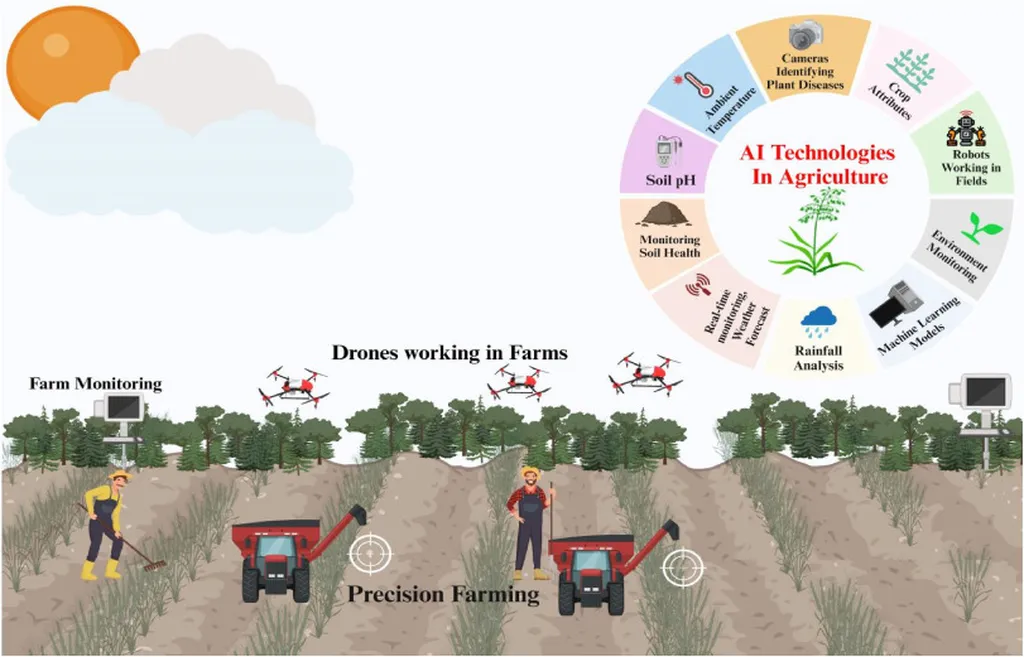
The WSA advocates for policies that ensure continued access to precision tools, GPS systems, spectrum resources, and broadband for farmers. These technologies are essential for modern farming operations, enabling farmers to optimize crop yields, manage resources efficiently, and navigate the economic challenges of the agricultural sector.
The association is calling for a collaborative approach between policymakers and the agricultural sector. This collaboration is aimed at addressing national security concerns while ensuring that farmers retain access to affordable and effective technologies. By working together, policymakers and agricultural leaders can develop solutions that safeguard national interests without compromising the productivity and economic viability of American farms.
The implications of this debate are significant. On one hand, national security is paramount, and measures must be taken to protect sensitive technologies and infrastructure. On the other hand, the agricultural sector, which is a cornerstone of the American economy, relies heavily on advanced technologies to maintain productivity and competitiveness. Striking the right balance is essential to ensure that farmers can continue to feed the nation and contribute to its economic prosperity.
As the discussion continues, the voices of farmers and agricultural associations like the WSA will be crucial in shaping policies that address both security and productivity. The outcome of this debate will have far-reaching effects on the future of American agriculture and the broader economy.