
Agriculture for Kids: Cultivating a Green Future in 2026
Agriculture for kids is more than just a lesson in botany; it’s an exploration of the intricate dance between farming, food production, and technology that sustains life on Earth. As we look towards 2026, the importance of educating the next generation about agriculture becomes increasingly evident. With over 2 billion people worldwide working in agriculture, the sector is a vital cog in the global machine, providing food, materials, and other essentials.
The heart of agriculture lies in the science and practice of cultivating plants and raising animals. For children, this means understanding the processes of planting seeds, nurturing crops, harvesting produce, and managing livestock. It’s a holistic approach that encompasses the growth of staples like corn, rice, and wheat, as well as the cultivation of vegetables and fruits that grace our tables. Moreover, agriculture extends beyond food, providing natural fibers for clothing, wood for construction, and even ingredients for medicines.
In 2026, the world’s population is expected to surpass 8 billion, placing immense pressure on agricultural systems. The importance of agriculture in feeding this burgeoning population cannot be overstated. It supports economies by providing millions of jobs, from farmers to scientists, and plays a crucial role in environmental stewardship. Sustainable farming practices ensure that future generations will have access to food, clean water, and fertile soil.
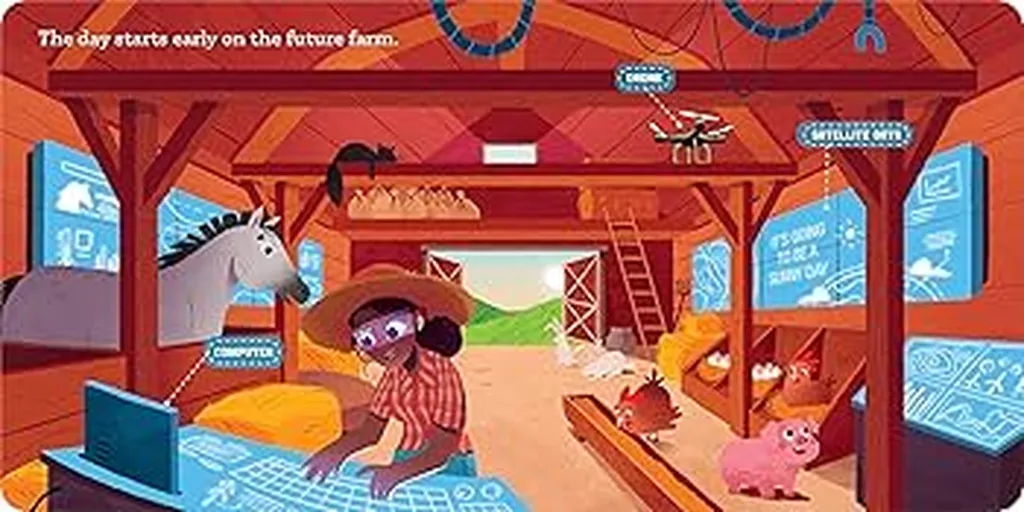
Modern agriculture is embracing technology to meet these challenges head-on. Smartphones and apps allow farmers to monitor weather conditions, order supplies, and connect with peers. Satellites and drones provide aerial surveillance, helping to detect pests and dry patches in crops. Robots are being employed to gently harvest fruits and vegetables, while sensors in the soil offer real-time data on plant needs, conserving resources and minimizing waste. Clean energy solutions, such as solar-powered irrigation, are also gaining traction, reducing the environmental impact of farming.
The integration of technology in agriculture is not just about efficiency; it’s about sustainability. By 2026, these advancements are expected to yield higher crop outputs, healthier soils, safer food, and cleaner water. They also contribute to the protection of nature, ensuring that agricultural practices do not harm vital ecosystems and wildlife.
Sustainable farming is at the forefront of agricultural innovation. Practices such as crop rotation, the use of natural fertilizers, and agroforestry are being adopted to maintain soil health and reduce pollution. These methods are crucial for preserving the environment and ensuring the long-term viability of agriculture.
For children, agriculture can be a gateway to understanding and appreciating the natural world. Engaging in activities such as starting a mini vegetable garden, composting kitchen scraps, and building pollinator gardens can instill a sense of responsibility towards the environment. These hands-on experiences not only teach children about the cycles of life but also empower them to contribute to a sustainable future.
In conclusion, agriculture for kids is about more than just growing plants; it’s about nurturing a deeper connection with the Earth and understanding the importance of sustainable practices. As we move towards 2026, the lessons learned today will shape the agricultural practices of tomorrow, ensuring a healthier planet for future generations.