
In the heart of Krasnodar, Russia, a groundbreaking study is reshaping the future of smart agriculture, promising to revolutionize how we approach quality management in farming. Published in the ‘Proceedings on Engineering Sciences’, the research led by Vitaly V. Aytov from the Kuban State Agrarian University named after I.T. Trubilin, delves into the concept of Quality 5.0 management at smart farms, a paradigm shift that could redefine the agricultural landscape.
The study introduces the concept of Quality 5.0, a model that aligns with the provisions of the Fifth Industrial Revolution. This approach focuses on creating favorable conditions for social well-being in rural areas, developing agricultural production processes based on man-machine interaction, achieving environmental goals, and increasing the economic sustainability of farms.
Aytov and his team have identified several models for managing Quality 5.0 in smart farms, each leveraging innovative solutions in the sphere of artificial intelligence (AI). The effectiveness of these models, they argue, depends on a variety of factors that can have both positive and negative impacts.
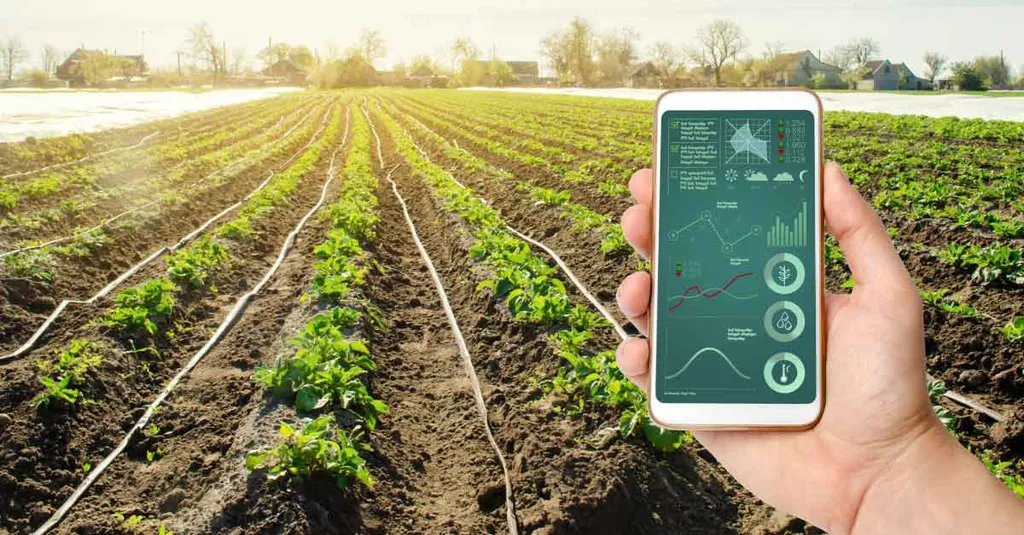
One of the key aspects of this research is the use of digital sensors and AI tools to monitor and manage agricultural processes. These technologies enable real-time data collection and analysis, allowing farmers to make informed decisions that can enhance productivity and sustainability.
“The integration of AI tools in agriculture is not just about increasing efficiency; it’s about creating a harmonious balance between technological advancement and environmental stewardship,” Aytov explains. This balance is crucial for the long-term sustainability of smart farms, as it ensures that technological progress does not come at the expense of the environment.
The commercial impacts of this research are significant. By implementing Quality 5.0 management models, smart farms can achieve higher levels of productivity and profitability. The use of AI tools can optimize resource allocation, reduce waste, and improve crop yields, all of which contribute to the economic sustainability of farms.
Moreover, the focus on social well-being and environmental protection can enhance the reputation of smart farms, making them more attractive to consumers and investors. This can open up new markets and opportunities for agricultural businesses, driving growth and innovation in the sector.
The research also highlights the importance of sustainable innovations in the sphere of AI. By developing and implementing these innovations, smart farms can achieve their environmental goals while maintaining high levels of productivity. This approach not only benefits the farms but also contributes to the broader goal of sustainable development.
Looking ahead, this research could shape future developments in the field of smart agriculture. By providing a framework for managing Quality 5.0, it offers a roadmap for farmers and agricultural businesses to navigate the complexities of the Fifth Industrial Revolution. The insights gained from this study can guide the development of new technologies and practices, paving the way for a more sustainable and prosperous future for agriculture.
As the world grapples with the challenges of climate change and resource depletion, the need for sustainable and efficient agricultural practices has never been greater. The research led by Aytov offers a promising solution, one that harnesses the power of AI and innovation to create a more sustainable and prosperous future for smart farms.