
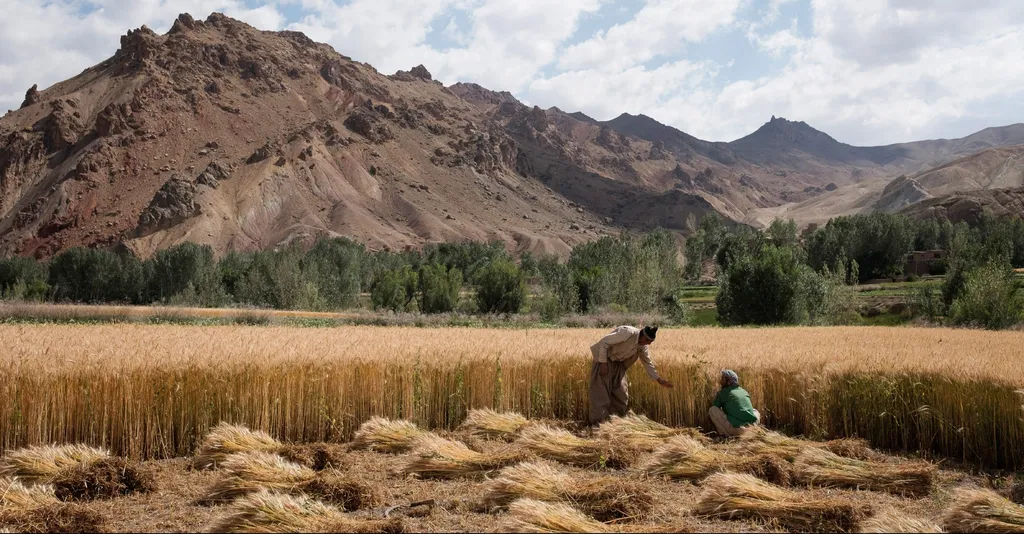
In the rugged terrain of Dara-i-Suf Payin District, where the land slopes and the soil is as precious as the crops it yields, a new study is shedding light on the delicate balance of agricultural sustainability. The research, published in the journal ‘مجلۀ علمی-تحقیقی سمنگان’, offers a nuanced look at the factors that can tip the scales toward a more resilient and productive future for farmers in these challenging landscapes.
The study, led by Zabiullah Rahmani from the Department of Horticultural Sciences at Samangan Higher Education Institute, surveyed 160 farming households to gauge the current state of sustainable agriculture in the region. The findings reveal a promising picture: a majority of farmers (61.6%) are already practicing sustainable methods, with another 37.5% making strides in that direction. This is not just good news for the environment; it’s a boon for the agricultural sector’s bottom line.
“Sustainable agriculture isn’t just about preserving the land for future generations; it’s about ensuring the profitability and resilience of farms today,” Rahmani explains. The study underscores this point, highlighting a significant positive correlation between sustainability and crop yield. In other words, farmers who embrace sustainable practices aren’t just doing right by the planet; they’re also boosting their harvests and, by extension, their incomes.
The research also identifies key factors that can accelerate this progress. Educational initiatives, optimized water use, and biological pest management emerge as critical levers for enhancing sustainability. This suggests that investments in these areas could yield substantial commercial benefits for the agriculture sector. For instance, training programs could empower farmers to adopt more efficient and effective practices, while innovations in water management could help mitigate the risks posed by climate change and water scarcity.
Moreover, the study finds that land ownership type plays a significant role in shaping sustainability outcomes. This insight could inform policies aimed at promoting sustainable agriculture, such as incentives for long-term land leases or cooperative farming models that encourage stewardship of the land.
Looking ahead, the research points to a future where technology and tradition intersect to create a more sustainable and profitable agricultural landscape. “By understanding the factors that drive sustainability, we can develop targeted strategies that support farmers and the broader agriculture sector,” Rahmani says. This could mean everything from precision agriculture technologies tailored to sloping lands to community-based programs that share knowledge and resources among farmers.
In the end, the study is a call to action—a reminder that the path to agricultural sustainability is not just a moral imperative but also a commercial opportunity. By embracing this vision, the agriculture sector can secure a more resilient and prosperous future for all.