
In the latest issue of *Notulae Botanicae Horti Agrobotanici Cluj-Napoca*, researchers have unveiled a treasure trove of studies that could reshape the future of agriculture, horticulture, and plant science. The findings, spanning from ethnomedicine to cutting-edge biotechnology, offer promising avenues for enhancing crop resilience, yield, and nutritional value in an era of climate uncertainty.
One standout study explores the ethnomedicinal, ecological, phytochemical, nutritional, and pharmacological aspects of *Sanguisorba officinalis L.* (Rosaceae). This comprehensive review could unlock new applications for this plant in both traditional and modern medicine, potentially opening up novel markets for farmers cultivating this species. As lead author Radu E. Sestras of the University of Agricultural Sciences and Veterinary Medicine Cluj-Napoca notes, “Understanding the full spectrum of benefits offered by *Sanguisorba officinalis* could revolutionize its role in agriculture and healthcare.”
The issue also delves into the impact of water stress on *Cannabis sativa*, revealing how varying periods of water shortage or waterlogging affect growth, leaf physiology, and CBD content. With the global cannabis market booming, these insights could help farmers optimize irrigation strategies to maximize yield and quality, ensuring a more consistent and profitable harvest.
Quinoa, a superfood gaining traction worldwide, is another focus. Researchers have conducted a comprehensive review on the impact of salinity stress and mitigation strategies, offering farmers practical solutions to cultivate this crop in increasingly saline soils—a growing concern as climate change intensifies.
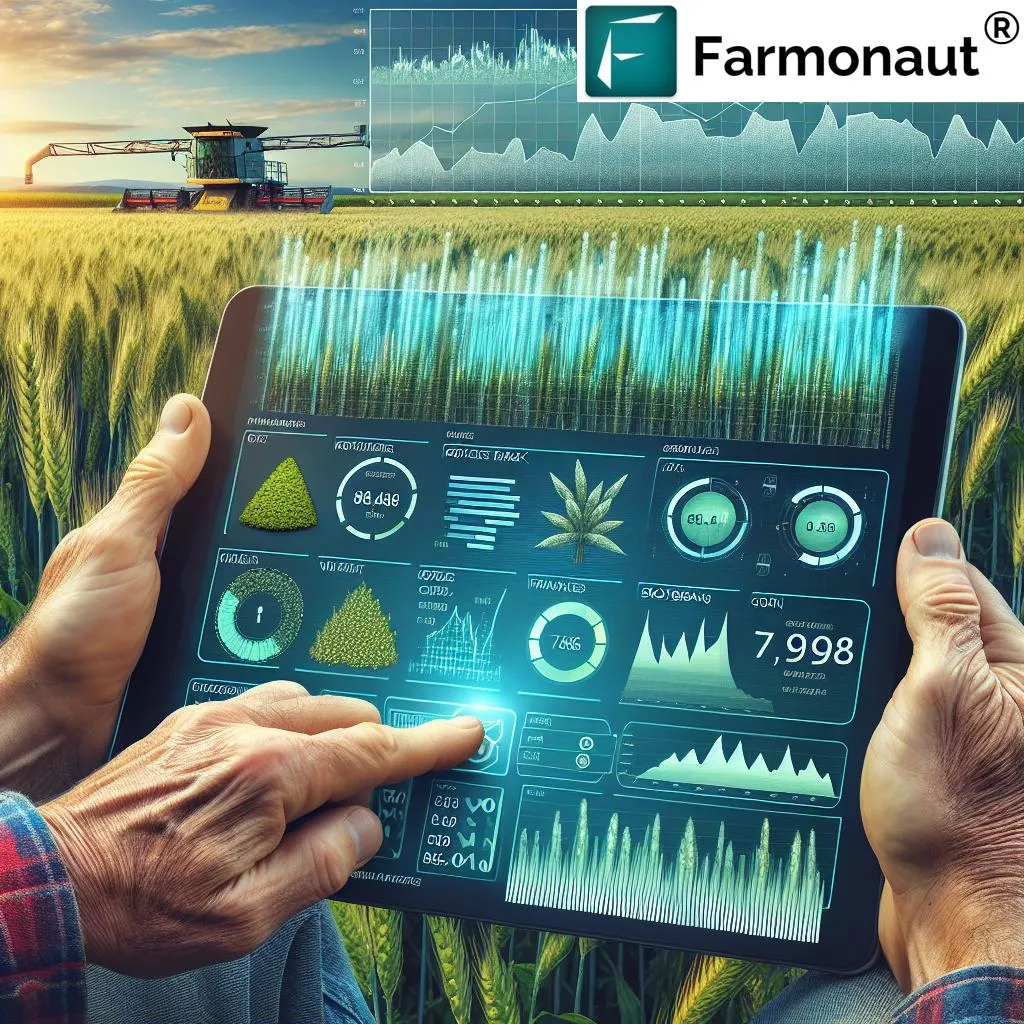
Artificial intelligence (AI) takes center stage in another study, which explores its potential to enhance climate-smart agriculture. By leveraging AI, farmers could improve food security and adapt crops to changing environmental conditions more effectively. “AI has the power to transform agriculture by providing data-driven insights that were previously unimaginable,” says Sestras. This research could pave the way for smarter farming practices, reducing waste and increasing efficiency.
The issue also features groundbreaking work on selenium nanoparticles, which have been shown to mitigate lead-induced genotoxicity and phytotoxicity in *Pisum sativum* by modulating key gene expressions. This discovery could lead to innovative agricultural practices that protect crops from heavy metal contamination, ensuring safer and more sustainable food production.
Other studies in the issue include the characterization of photosynthetic genes in mulberry, the identification of OFP family genes in cucumber in response to stress, and the genetic diversity of *Ziziphus mauritiana* genotypes. These findings could enhance breeding programs, leading to more resilient and productive crops.
The impact of altitude on purple corn varieties in the Peruvian Amazon is another fascinating area of research. Understanding how altitude affects performance and anthocyanin concentration could help farmers optimize growing conditions for this valuable crop, which is rich in antioxidants and highly sought after in the health food market.
These studies, published in *Notulae Botanicae Horti Agrobotanici Cluj-Napoca* and led by Radu E. Sestras of the University of Agricultural Sciences and Veterinary Medicine Cluj-Napoca, represent a significant step forward in agricultural science. By addressing critical challenges such as climate change, soil salinity, and heavy metal contamination, this research offers practical solutions that could shape the future of farming. As the global population continues to grow and environmental pressures mount, these innovations will be crucial in ensuring food security and sustainability.