
In the heart of Somaliland, a nation grappling with arid conditions and limited resources, a beacon of hope is emerging from an unlikely source: Israeli greenhouse technology. This technology, honed under the pressures of low rainfall, saline water, and political isolation, is now being explored as a potential solution to Somaliland’s food security challenges.
Karin Kloosterman, a seasoned journalist and eco-entrepreneur, has been championing the relevance of Israeli agricultural technologies to regions like Somaliland. She highlights that these technologies were not developed under ideal conditions but were born out of necessity, making them particularly suited to environments with similar constraints.
One of the key technologies is drip irrigation, pioneered by Netafim. This system, which delivers water and nutrients directly to the root base, has been transformative in dry regions worldwide. Closely related are low-pressure irrigation and fertigation systems, advanced by companies like NaanDanJain and Rivulis, which are particularly beneficial for smallholder farmers.
Water supply is another critical area where Israeli technology shines. IDE Technologies, known for its large-scale desalination plants, has also developed smaller systems suitable for coastal communities. These could be particularly relevant for Somaliland, with its extensive coastline. Additionally, solar-powered water pumping systems, often integrated by Israeli firms, can replace diesel pumps, reducing the need for fuel imports.
Wastewater reuse is another area where Israel leads globally. Municipal-scale treatment combined with agricultural reuse has been refined over decades, with engineering firms and public utilities supporting reuse rates that reach nearly 90 percent. Scaled-down versions of these systems could help Somaliland’s towns reuse water safely, rather than losing it entirely.
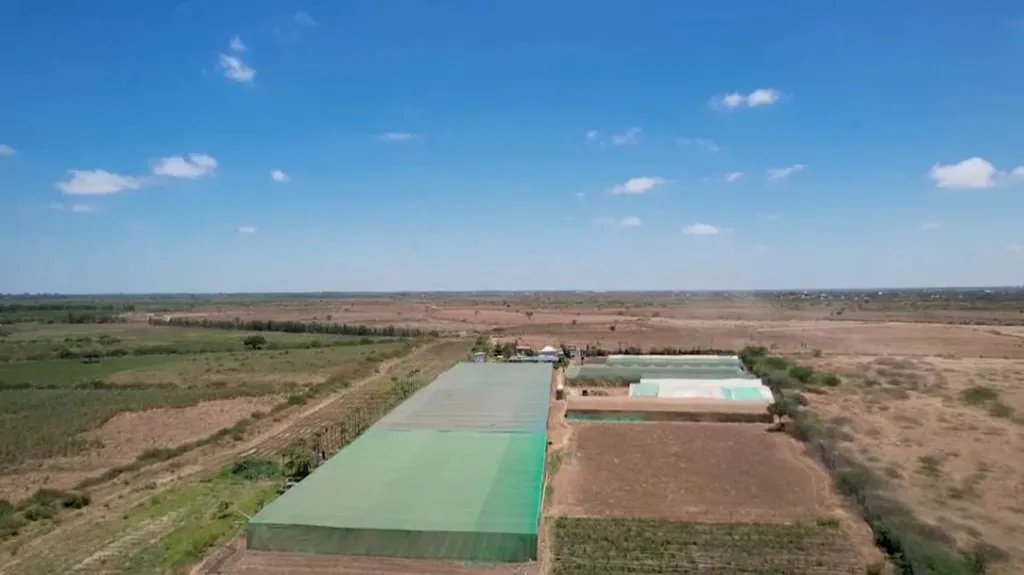
In agriculture, greenhouse and net-house farming have been advanced by Israeli companies such as Hishtil. These systems allow year-round production of vegetables with far less water than open-field farming. Precision agriculture has also become more accessible through Israeli startups like CropX and Phytech, which use soil sensors and plant data to tell farmers exactly when to irrigate, significantly reducing water waste.
On the seed side, Israeli breeders such as Hazera and Zeraim Gedera have developed heat- and drought-tolerant vegetable varieties suited for semi-arid climates. Food loss after harvest is another challenge where Israeli cold-chain innovations, including solar-powered cold rooms, help reduce spoilage and increase farmer incomes.
Finally, knowledge transfer is often the most underestimated technology. Israel’s international development agency MASHAV has trained tens of thousands of farmers and water managers worldwide through hands-on programs focused on dryland agriculture, water reuse, and cooperative farming.
While none of these tools promise instant prosperity, together they form a practical toolkit shaped by environments not unlike Somaliland’s own. In a region too often discussed only through politics or security, focusing on water, food, and energy systems offers a quieter, more durable path forward. As Kloosterman puts it, “Technology adoption succeeds when training is local, practical, and gradual.”