
In the face of a rapidly changing climate, the global agriculture sector is grappling with a monumental challenge: how to increase food production by 50% by 2050 despite the threats posed by extreme weather, pests, and dwindling resources. A recent study published in *npj Sustainable Agriculture* offers a roadmap for tackling this issue through integrative strategies that could reshape the future of farming.
The research, led by Xiukang Wang of the Key Laboratory of Applied Ecology of Loess Plateau at Yan’an University, emphasizes the need for a multifaceted approach to sustainable agriculture. “We can’t rely on a single solution,” Wang explains. “Instead, we must optimize land and water use, enhance soil health, and promote biodiversity while leveraging technology to build resilient food systems.”
One of the key strategies highlighted in the study is the development of stress-resistant crops. As climate change intensifies, crops will face increased pressure from droughts, floods, and pests. By breeding or genetically engineering crops that can withstand these stresses, farmers can secure yields even in adverse conditions. This not only benefits individual farmers but also stabilizes global food supply chains, reducing the risk of price volatility and shortages.
Precision agriculture is another critical component of the proposed strategy. By using data-driven techniques such as satellite monitoring, drones, and IoT sensors, farmers can make more informed decisions about irrigation, fertilization, and pest control. This precision reduces waste and improves efficiency, ultimately lowering costs and environmental impact. “Smart farming technologies are not just about increasing yields; they’re about doing so sustainably,” Wang notes.
The study also underscores the importance of reducing waste across the food chain. From farm to fork, significant amounts of food are lost due to poor storage, transportation, and consumption habits. By implementing better practices and technologies, such as improved packaging and cold chain logistics, the agriculture sector can ensure that more of the food produced reaches consumers, thereby maximizing the efficiency of the entire system.
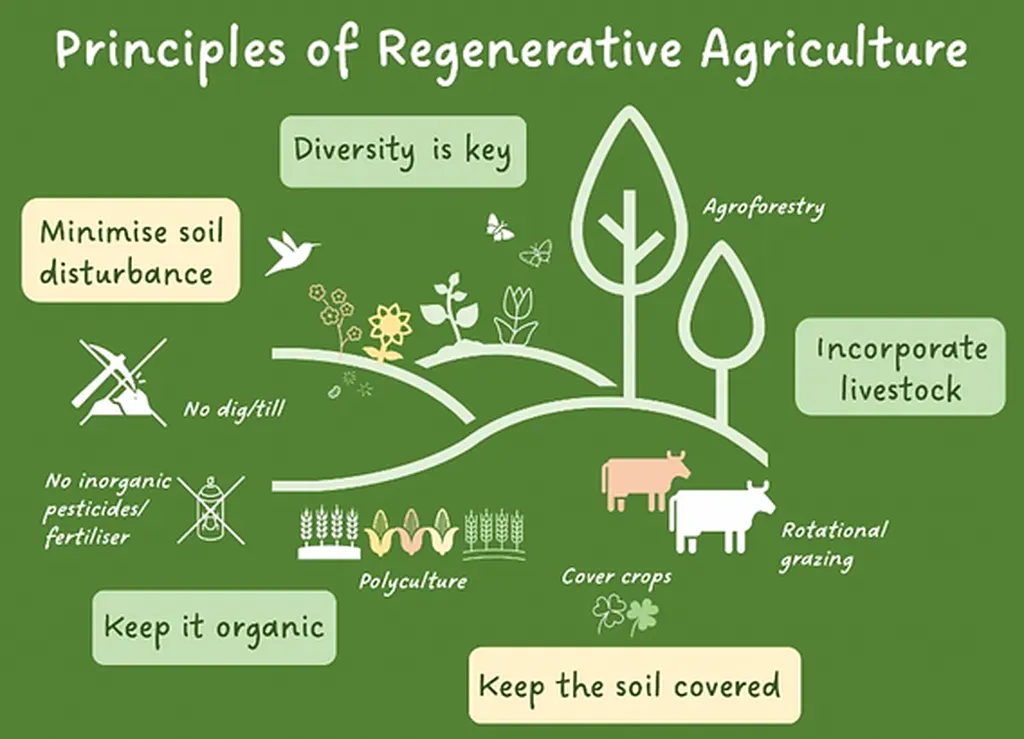
Biodiversity plays a crucial role in sustainable agriculture as well. Diverse ecosystems are more resilient to shocks and better equipped to support a variety of crops and livestock. Promoting biodiversity not only enhances the productivity of farms but also contributes to the overall health of the environment. This holistic approach can lead to long-term benefits for both farmers and the planet.
The commercial implications of these strategies are substantial. Farmers who adopt these integrative approaches can expect to see improved yields, reduced costs, and enhanced resilience to climate-related risks. For agribusinesses, investing in precision agriculture and stress-resistant crops can open up new markets and create competitive advantages. Additionally, the focus on sustainability aligns with growing consumer demand for ethically produced food, potentially driving higher market values for products that meet these standards.
As the agriculture sector looks to the future, the findings of this study offer a compelling vision for how to meet the challenges of climate change. By embracing integrative strategies, farmers and agribusinesses can build more resilient and sustainable food systems, ensuring food security for generations to come. The research published in *npj Sustainable Agriculture* by lead author Xiukang Wang of the Key Laboratory of Applied Ecology of Loess Plateau at Yan’an University provides a vital framework for this transformation, guiding the sector toward a more sustainable and prosperous future.