
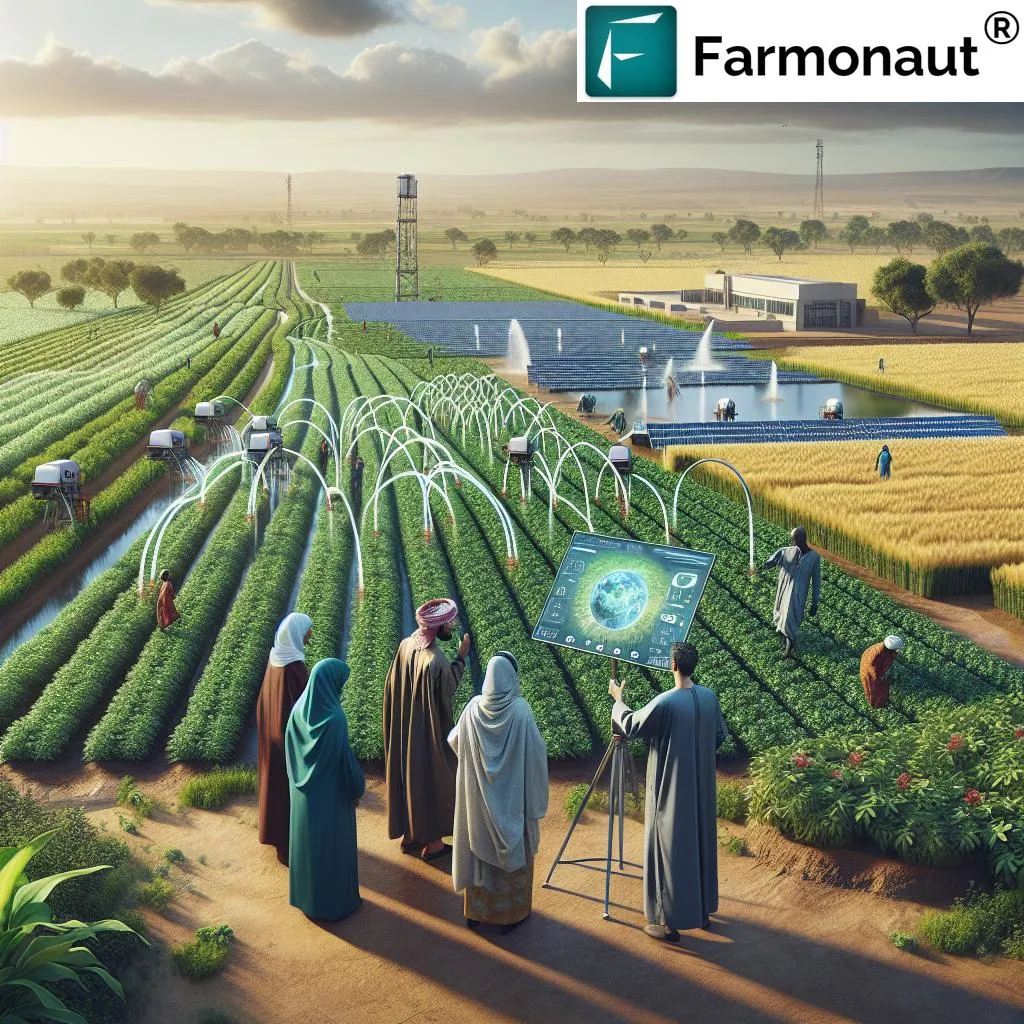
In the heart of Senegal, where traditional farming methods have long been the norm, a new wave of technological innovation is making waves. A recent study published in *Discover Computing* delves into the transformative potential of Agriculture 4.0, a data-driven approach that leverages Internet of Things (IoT) and Artificial Intelligence (AI) to revolutionize agricultural practices. The research, led by Alioune Cisse from the Department of Informatics at the Assane SECK University of Ziguinchor, sheds light on how these technologies can address food security and climate change challenges in resource-limited areas.
The study, which analyzed 100 recent research papers, highlights the critical role of IoT and AI in enhancing agricultural productivity and sustainability. “The integration of smart technologies offers a strategic response to the challenges of food security and climate change by improving the productivity, sustainability, and efficiency of agricultural resources,” notes Cisse. This is particularly relevant for regions like Senegal, where agriculture remains traditional and food self-sufficiency is a pressing issue.
One of the key findings of the study is the prevalence of LoRa and Wi-Fi as the most used communication and data transmission technologies in smart agriculture. These technologies, combined with AI algorithms like Random Forest and Convolutional Neural Networks (CNN), are being used to model predictive yields and optimize resource management. The study also identifies the advantages and limitations of these technologies, providing a comprehensive overview of their potential and challenges.
The commercial impacts of these findings are significant. For the agriculture sector, the adoption of IoT and AI technologies can lead to increased efficiency and productivity, ultimately boosting profitability. Precision agriculture, enabled by these technologies, allows for more accurate monitoring and management of crops, reducing waste and improving yields. This is particularly important in resource-limited areas, where every resource must be used efficiently.
Moreover, the study highlights the need for innovative contributions that drive sustainable and productive agriculture. “This work identifies advantages and limitations on smart agriculture proposals based on IoT and AI technologies, and discusses the key-challenging open research issues and solutions that need to be addressed,” Cisse explains. This calls for further research and development in the field, with a focus on addressing the challenges and maximizing the benefits of these technologies.
The research published in *Discover Computing* by Alioune Cisse from the Assane SECK University of Ziguinchor provides a roadmap for the future of agriculture. By embracing IoT and AI technologies, the agriculture sector can overcome long-standing challenges and pave the way for a more sustainable and productive future. The study serves as a catalyst for further innovation, encouraging stakeholders to invest in and develop these technologies for the benefit of farmers and communities worldwide.