
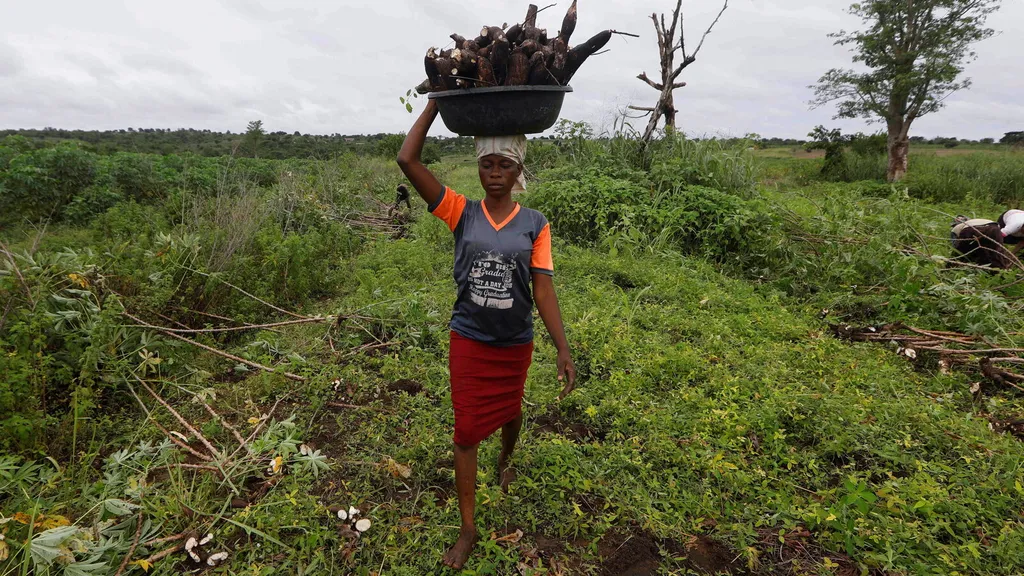
In the heart of Africa’s agricultural landscape, a quiet revolution is brewing, not in the fields, but in the realm of intellectual property. A recent study published in *The African Journal of Information and Communication* sheds light on how geographical indications (GIs) can be harnessed as powerful tools for agricultural development, particularly in Eastern and Southern Africa. The research, led by Tesh Dagne, explores how GIs can support the production and marketing of a wide variety of African agricultural resources, potentially transforming the way farmers and cooperatives bring their products to market.
Geographical indications are signs used on products that have a specific geographical origin and possess qualities or a reputation that are due to that origin. Think of Darjeeling tea or Champagne wine—these are products whose names are protected because they come from specific regions and meet certain quality standards. The study identifies key features of GI law in selected Eastern and Southern African countries, suggesting that when crafted thoughtfully, GIs can become a cornerstone for agricultural knowledge governance.
One of the most compelling aspects of this research is its potential to empower local farmers and cooperatives. By protecting the unique qualities of their products, GIs can help farmers command premium prices in both local and international markets. “Properly-crafted GIs can serve as tools for support of production and marketing of a wide variety of African agricultural resources,” says Dagne, highlighting the dual role of GIs in both protecting traditional knowledge and enhancing commercial value.
The commercial impacts of this research are significant. For instance, a GI designation could elevate the status of a locally grown coffee or spice, making it more attractive to discerning consumers willing to pay a premium for authenticity and quality. This, in turn, could lead to increased investment in sustainable farming practices and better livelihoods for farmers. The study also underscores the importance of robust legal frameworks to ensure that these benefits are realized equitably.
As the world increasingly values traceability and authenticity in food and agricultural products, the findings of this research could shape future developments in the field. By leveraging GIs, African countries can not only protect their agricultural heritage but also create new economic opportunities. The study suggests that policymakers and agricultural stakeholders should consider integrating GI systems into broader strategies for agricultural development, ensuring that the benefits are felt across the value chain.
While the research focuses on Eastern and Southern Africa, its implications are far-reaching. The study, led by Tesh Dagne and published in *The African Journal of Information and Communication*, offers a blueprint for how GIs can be used to support agricultural production and marketing, potentially revolutionizing the way African agricultural resources are valued and traded. As the world moves towards more sustainable and equitable food systems, the insights from this research could play a pivotal role in shaping the future of agriculture.