
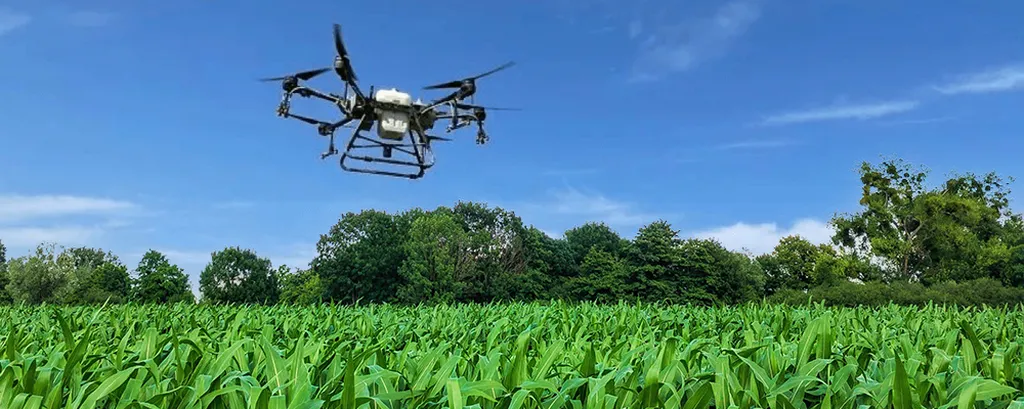
In the rapidly evolving landscape of precision agriculture, a new study published in *EU Agrarian Law* sheds light on the regulatory challenges and opportunities surrounding agricultural spraying drones in the European Union. The research, led by Szira Zoltán of Budapest Metropolitan University, delves into the intricate web of EU-wide aviation safety rules and pesticide application laws that operators must navigate to deploy this transformative technology.
Agricultural drones, or Unmanned Aircraft Systems (UAS), promise a revolution in how farmers apply plant protection products (PPPs). By enabling targeted, precise applications, these drones offer significant environmental benefits, reduced operational costs, and increased safety for workers compared to traditional ground-based machinery. However, their integration into the EU’s agricultural sector is far from straightforward.
The study highlights two key regulatory pillars that govern the use of agricultural drones in the EU. The first is the EU aviation framework, which categorizes all pesticide spraying as a ‘specific’ operation. This requires operators to undergo a formal risk assessment, known as a Specific Operation Risk Assessment (SORA), or adhere to a Pre-Defined Risk Assessment. The second pillar is the Sustainable Use of Pesticides Directive (SUPD), which enforces a general ban on all aerial spraying. This ban can only be circumvented through national derogations, adding another layer of complexity to the regulatory landscape.
“While a clear path for authorization exists, its complexity requires a harmonized approach between aviation and agricultural authorities,” Zoltán emphasizes. This harmonization is crucial to unlock the full potential of agricultural drones and facilitate their widespread adoption across the EU.
The commercial impacts of this research are substantial. As the agriculture sector seeks to enhance efficiency and sustainability, the adoption of spraying drones could significantly reduce costs and environmental impact. However, the current regulatory environment poses a significant barrier to entry. By advocating for a more streamlined and harmonized approach, the study aims to pave the way for faster and more efficient authorization processes.
The research also underscores the need for continued dialogue between policymakers, aviation authorities, and agricultural stakeholders. As Zoltán notes, “The future of agricultural drones in the EU hinges on our ability to create a regulatory environment that is both safe and conducive to innovation.”
Published in *EU Agrarian Law* and led by Zoltán of Budapest Metropolitan University, this study provides a comprehensive analysis of the dual-pillar regulatory system governing agricultural drones in the EU. By highlighting the challenges and proposing solutions, it offers a roadmap for the future development and deployment of this transformative technology.
As the agriculture sector continues to evolve, the insights from this research will be invaluable in shaping policies that support innovation while ensuring safety and sustainability. The study serves as a call to action for stakeholders to collaborate and create a regulatory framework that unlocks the full potential of agricultural drones, ultimately benefiting farmers, the environment, and consumers alike.