
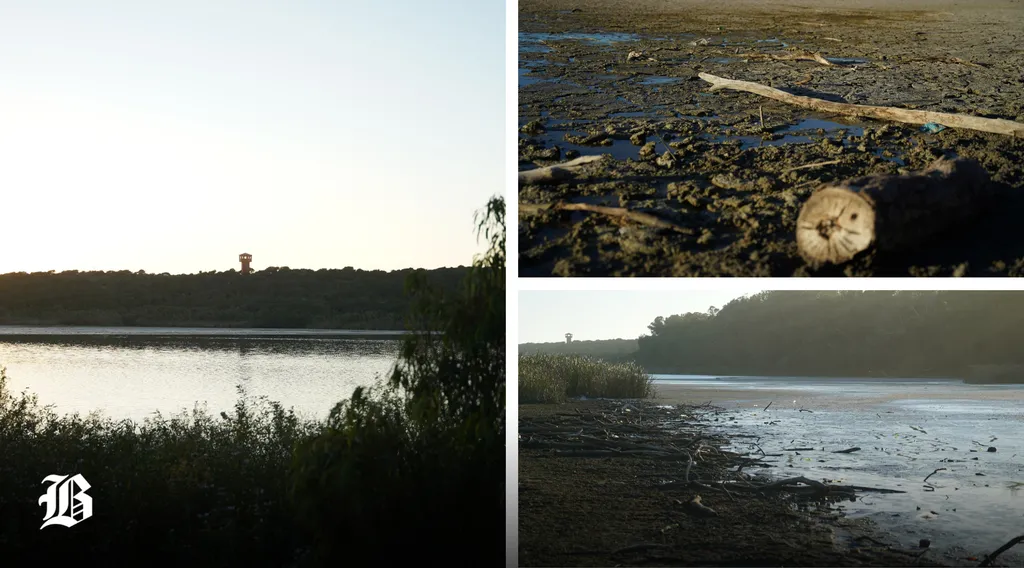
In the sun-drenched coastal plains of Morocco, a silent transformation is unfolding. The Sidi Boughaba Lake, a vital wetland and Ramsar site, is undergoing significant changes that could have far-reaching implications for agriculture and local economies. A recent study published in *Ekológia (Bratislava)* by lead author Moukrim Said from the Research Center of Plant and Microbial Biotechnologies, Biodiversity and Environment at Mohammed V University in Rabat, sheds light on these dynamics, offering a stark warning and a call to action.
Using advanced remote sensing techniques and Google Earth Engine, the research team tracked the lake’s surface area over 38 years, from 1984 to 2021. Their findings reveal a troubling trend: the lake is experiencing both intra- and inter-annual variations, with significant losses of permanent water. “The trends we’ve observed call into question the urban and agricultural policies adopted in the region,” Said explained. “The pressure on resources is intense, and without effective protection measures, this regressive trend is likely to continue.”
For the agriculture sector, which relies heavily on the delicate balance of coastal wetlands, these changes could be devastating. Wetlands act as natural water filters, reducing pollution and improving water quality for irrigation. They also help regulate water flow, reducing the risk of droughts and floods that can wipe out crops and livelihoods. As the Sidi Boughaba Lake shrinks, farmers may face increased water scarcity and reduced agricultural productivity, threatening food security and economic stability.
The study also highlights the role of land-use and land-cover changes in driving these trends. As urban areas expand and agricultural practices intensify, the delicate ecosystems of coastal wetlands are increasingly under threat. “Our results should serve as a wake-up call for authorities, civil society, and decision-makers,” Said urged. “We need to act now to protect these areas and maintain their capacity to provide essential ecosystem services.”
The research not only underscores the urgent need for conservation efforts but also demonstrates the power of remote sensing and cloud-based computing platforms in monitoring and understanding environmental changes. As technology advances, these tools could become increasingly vital for tracking and managing natural resources, shaping future developments in environmental science and policy.
In the face of climate change and growing human pressures, the Sidi Boughaba Lake stands as a critical case study. Its fate could foreshadow the challenges and opportunities that lie ahead for coastal wetlands worldwide. By heeding the warnings of this research and taking decisive action, we can hope to preserve these vital ecosystems and secure a more sustainable future for all.