
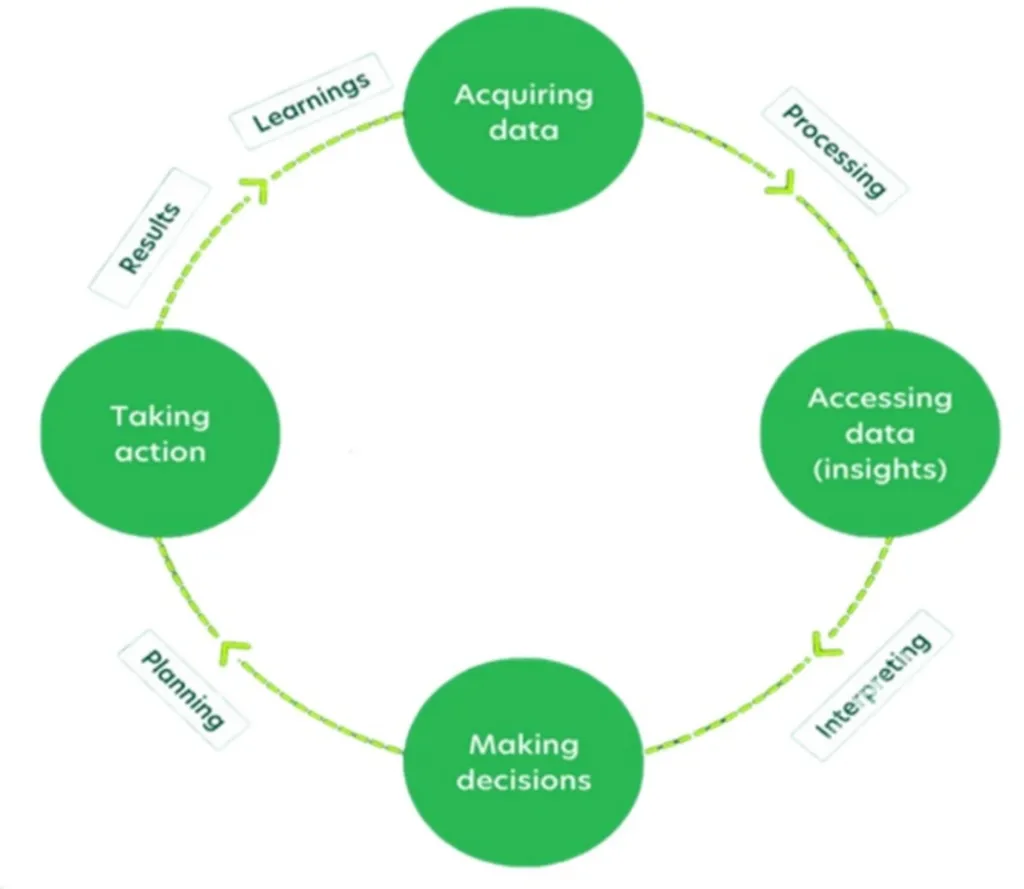
In the rapidly evolving landscape of precision agriculture, a new systematic review is shedding light on the transformative potential of multimodal deep learning and IoT systems for tomato crops. Published in the *Journal of Agriculture and Rural Development Studies*, the research led by George Chirita from the Faculty of Automation, Computers, Electrical Engineering and Electronics at „Dunarea de Jos” University of Galati, offers a comprehensive analysis of how these advanced technologies are reshaping the way farmers monitor and manage their crops.
The study highlights the growing trend of digital transformation in agriculture, driven by the integration of sensors, IoT platforms, and deep learning models. These technologies promise to enhance productivity, improve risk management, and boost the economic sustainability of farms. However, the landscape of solutions remains fragmented and heterogeneous, creating a need for systematic synthesis and critical evaluation.
Chirita and his team set out to identify and classify the main multimodal deep learning–IoT systems for tomato crops, focusing on the types of data used, proposed architectures, and implementation contexts. “We aimed to provide a clear framework for understanding the current state of these technologies and their potential impact on the agriculture sector,” Chirita explained.
The review reveals significant advancements in the detection of foliar diseases and microclimate monitoring. By leveraging multimodal data fusion—combining images, environmental sensor data, and agronomic information—these systems offer robust and scalable solutions for real farm conditions. “The integration of multiple data sources allows for more accurate and timely decision-making, which is crucial for optimizing crop yields and reducing losses,” Chirita noted.
However, the study also identifies important limitations. The size and quality of datasets, the lack of economic evaluations, and the absence of long-term studies in commercial farms are areas that require further attention. “While the progress is promising, there is still a need for more comprehensive and integrated solutions that can be easily adopted by farmers,” Chirita added.
The commercial impacts of these technologies are substantial. Precision agriculture tools that can detect diseases early and monitor microclimates can lead to significant cost savings and increased productivity. Farmers can make more informed decisions about irrigation, fertilization, and pest control, ultimately leading to higher yields and better economic outcomes.
Looking ahead, the research suggests several future directions. There is a need for larger and more diverse datasets to improve the robustness of deep learning models. Economic evaluations and long-term studies in commercial farms will provide valuable insights into the feasibility and scalability of these systems. Additionally, the potential of these technologies to support technical and economic decisions in agriculture and contribute to rural development is immense.
As the agriculture sector continues to embrace digital transformation, the findings of this systematic review serve as a valuable reference for researchers, policymakers, and industry stakeholders. The integration of multimodal deep learning–IoT systems into commercial farming practices could revolutionize the way crops are managed, ultimately contributing to a more sustainable and resilient agricultural future.